
Last updated November 24, 2026
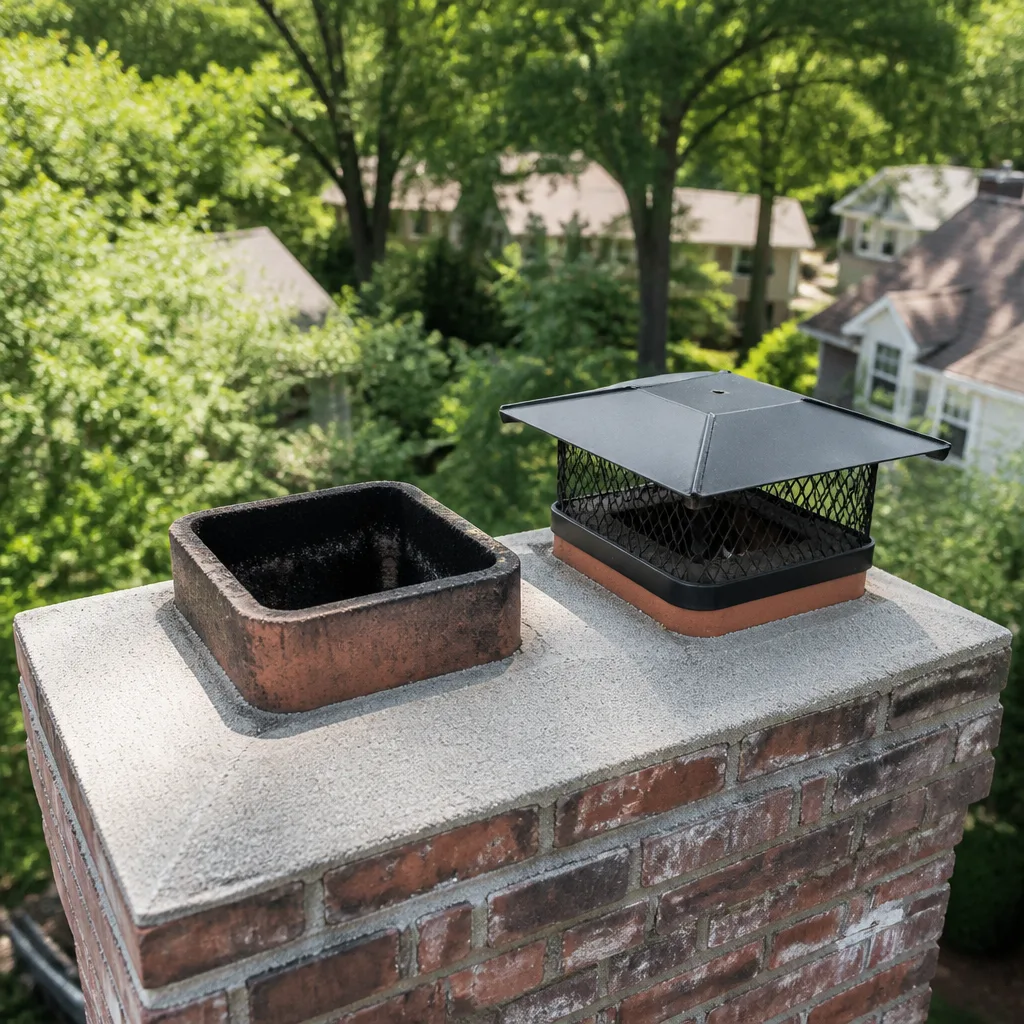 Sweep & inspection
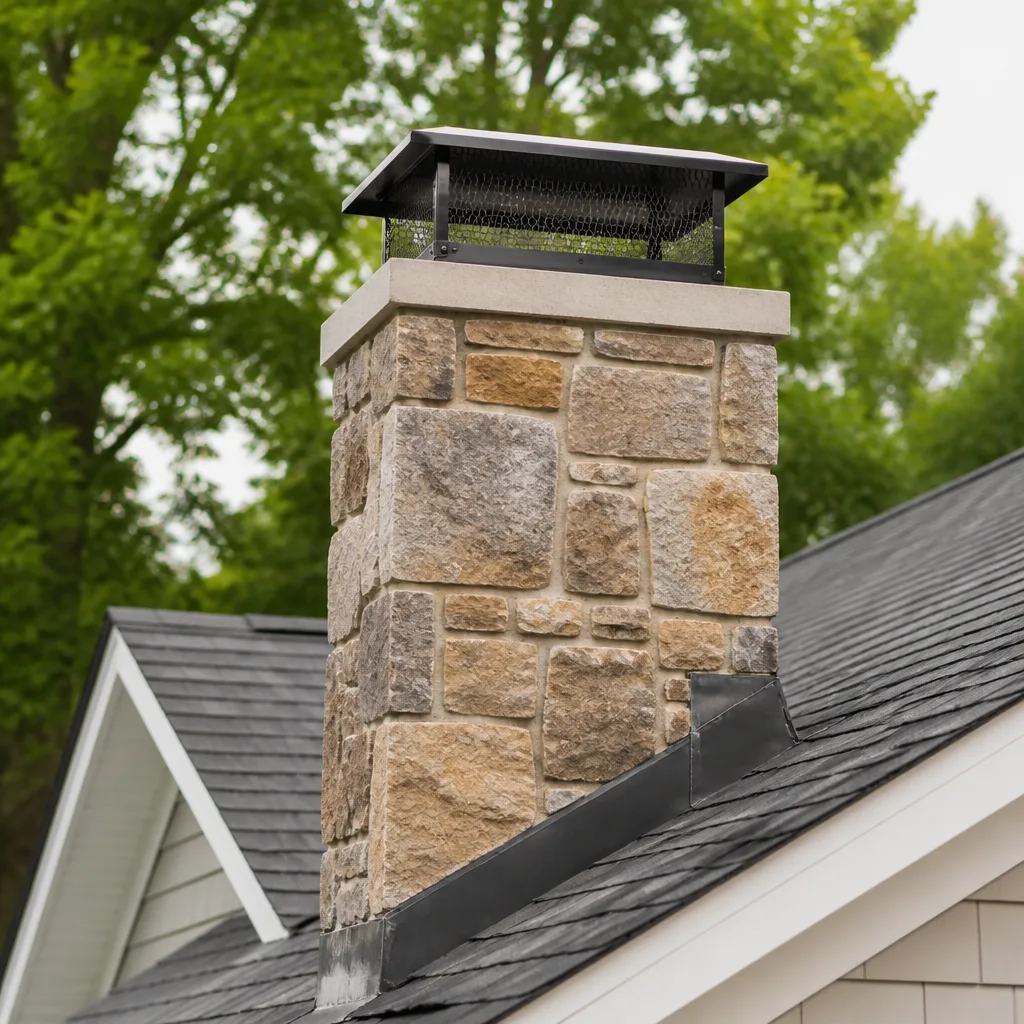 Caps & crowns
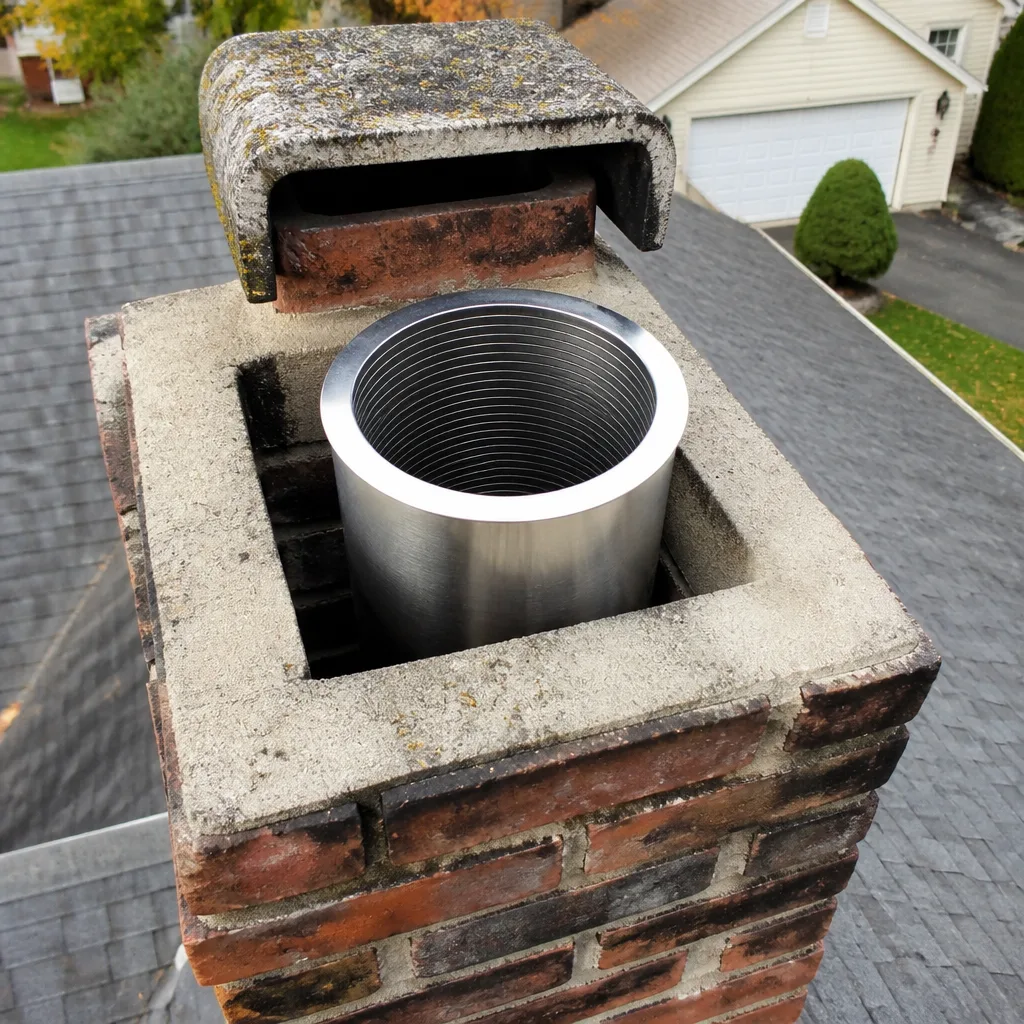 Flue relining
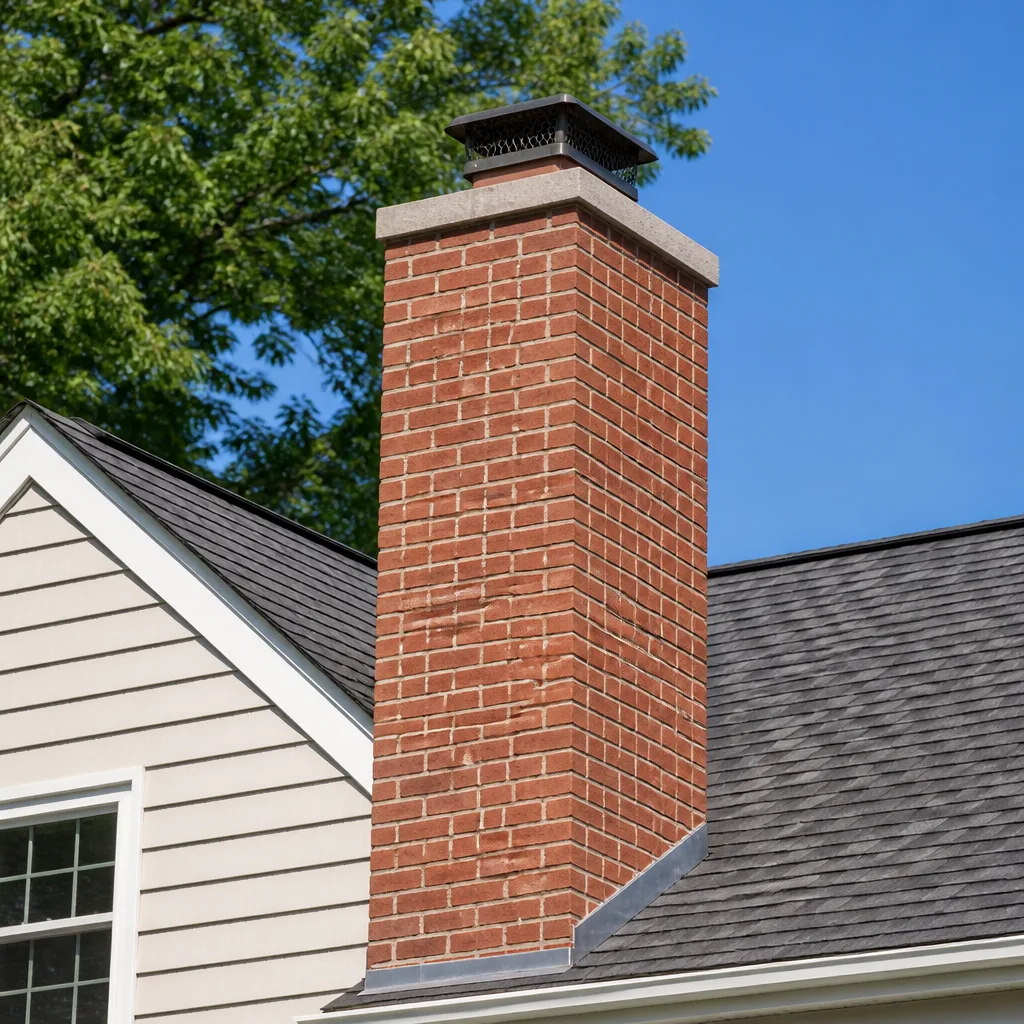 Masonry repair
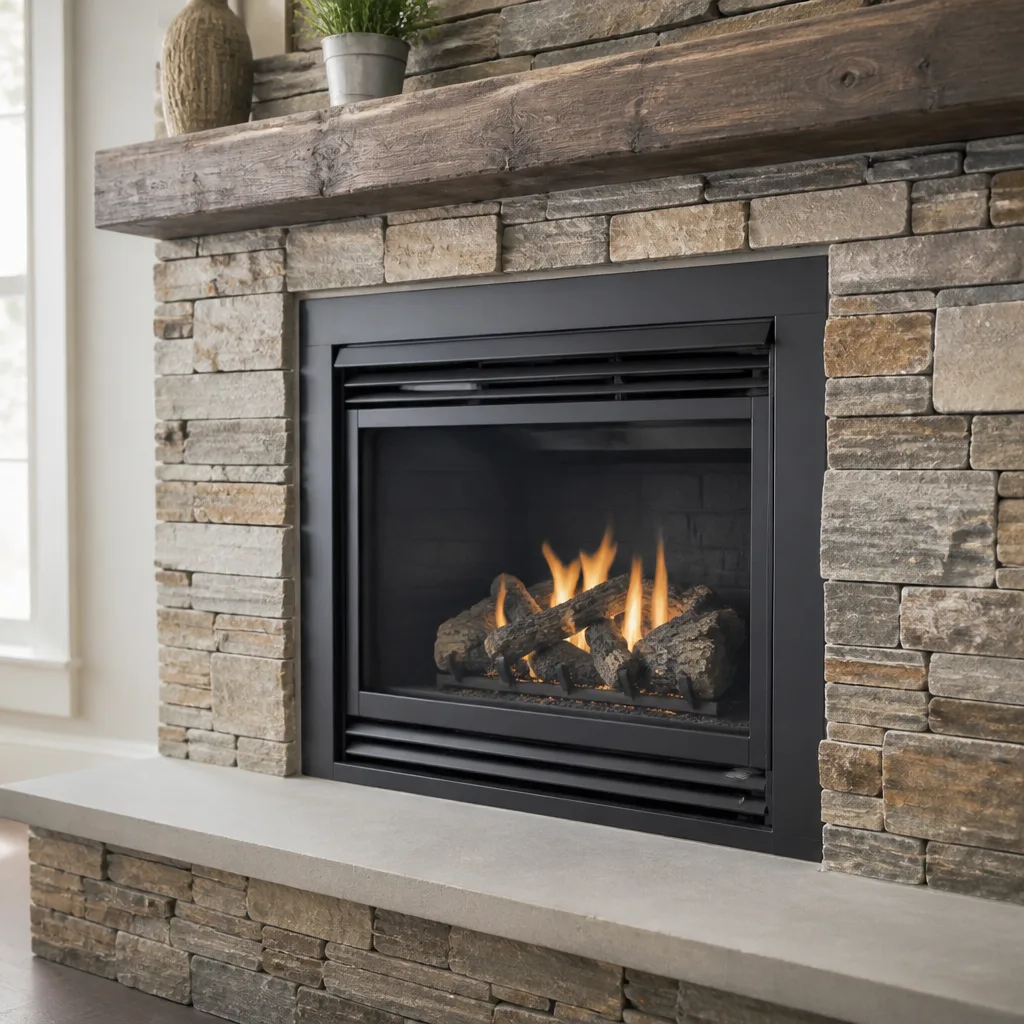 Gas fireplace service
Level 1 sweep and inspection to the NFPA 211 annual standard - flue, crown, cap, and flashing checked and photographed
Chimney sweep logs do not sweep chimneys. They loosen some creosote - which then falls where a brush and vacuum still have to collect it.
Chimney Sweep Maintenance Checklist for Washington Park Homeowners
A hairline crack in a chimney crown looks cosmetic in October. It usually still looks cosmetic in November. But through five months of freeze-thaw cycling, water gets into that crack, freezes, expands, and widens it, and by spring the damage has moved down into the masonry below. The crown is the part nobody photographs and the part that decides how expensive your spring gets. That’s why a checklist built for a mild, evenly wet climate doesn’t help you here. This guide walks Washington Park homeowners through a month-by-month maintenance framework tied to Colorado’s shoulder seasons, tells you what you can safely check yourself and what needs a trained sweep, and shows you how to keep records year to year so every inspection builds on the last one instead of starting over.
Quick Answer
The most reliable chimney maintenance checklist for Washington Park runs on Colorado’s seasons: inspect the crown, cap, and flashing in early fall before the first freeze, sweep and inspect the flue before the heating season starts, watch for freeze-thaw damage through winter and early spring, and recheck mortar, flashing, and the smoke chamber each April. Homeowners can safely self-verify the visible crown, the damper, and draft behavior; flue and liner integrity require a trained sweep with proper tools. Document everything by photo and date so each year’s inspection has a baseline to compare against.
Styles & brands we work with
- Sweep & inspection
- Caps & crowns
- Flue relining
- Masonry repair
- Gas fireplace service
Table of Contents
- Why a Month-by-Month Framework Beats a Spring/Fall Split
- The Early Fall Checklist: Before the First Freeze
- The Winter Checklist: What Freeze-Thaw Does to Your Chimney
- The Spring Thaw Checklist: Catching Damage Before It Spreads
- What You Can Check Yourself vs. What Needs a Sweep
- What “Liner Integrity” Actually Means in Plain Terms
- How to Document Your Chimney Year Over Year
- Checklist Additions for Gas-Converted Fireplaces
Why a Month-by-Month Framework Beats a Spring/Fall Split
Most checklists divide the year into two halves: spring cleaning and fall prep. That works in places where winter behaves predictably and moisture dries out once. Along the Front Range, including here in Washington Park, the risk isn’t a single cold season; it’s the number of freeze-thaw cycles your masonry goes through. Days that warm above freezing and nights that drop back below it can happen in October, in January, and again in April. Every one of those cycles moves water deeper into an existing crack.
The practical takeaway: a chimney in Washington Park is under stress for a much longer stretch than the heating season alone. A framework timed to those cycles catches small problems before they compound:
- Early fall (roughly September into October): the last window to repair a crown, cap, or flashing issue before freeze-thaw starts working on it.
- Late fall into winter: monitor, don’t repair. Watch for new staining, spalling, or draft complaints.
- Early spring thaw (roughly March into April): the highest-risk moment for masonry, because repeated freeze-thaw has had months to widen cracks and dislodge mortar.
- Late spring into summer: repair, resurface, and document. Warm, dry weather lets mortar cure properly.
This matters for the housing stock across Washington Park too. A lot of the neighborhood’s older brick homes were built without the crown and cap details we’d specify today, and those are the systems that respond most to a timeline rather than a one-time cleaning. We diagnose before we recommend, which means the first step is always knowing what your specific chimney is doing. The Chimney Sweep Washington Park team structures inspections around exactly this schedule.
The Early Fall Checklist: Before the First Freeze
Early fall is your best window to fix anything that will only get worse once temperatures swing. The goal is to head into freeze-thaw season with a closed, sound envelope: crown, cap, flashing, and flue. Here’s the sequence we recommend to Washington Park homeowners, in order:
- Look at the crown from the ground. The crown is the concrete or masonry slab at the very top that sheds water away from the flue. Visible cracks, crumbling edges, or a crown that no longer slopes away from the opening are all early warning signs.
- Check that the cap is present and intact. A missing or damaged cap lets rain straight into the flue and gives animals an open door. A cap in poor condition is one of the most common things we find on Washington Park roofs before heating season.
- Inspect flashing where the chimney meets the roof. From the ground or a safe vantage point, look for gaps, lifted metal, or staining on the roof deck beside the chimney.
- Test the damper. It should open and close fully and sit flat when closed. A damper that sticks partway open drains heat and lets cold air down the flue.
- Book a sweep and inspection before the first hard freeze. A trained sweep confirms what the flue actually looks like inside, checks the smoke chamber and firebox, and gives you documentation before winter arrives.
- Photograph everything. Shoot the crown, the cap, the flashing, and the firebox from a few angles, and note the date.
The early fall visit is also when we recommend dealing with cap and crown issues, since those are the repairs that directly defend against freeze-thaw damage. If your roof walking isn’t happening, the cap and crown work is exactly what our chimney cap & crown service covers. We use Gelco products for cap and crown work because they’re named, warrantable materials, not generic stock.
The Winter Checklist: What Freeze-Thaw Does to Your Chimney
Once the freeze-thaw cycle begins, your job shifts from repair to observation. You’re not trying to fix anything in January; you’re collecting evidence of what the thaw will reveal. This is the stretch where Washington Park’s swings between below-freezing nights and milder days do the most quiet damage, because each freeze expands trapped water and each thaw lets it settle a little deeper.
What to watch for through the colder months:
- New staining on the masonry or interior walls near the chimney. Water staining below the roofline or around the firebox is a clue that moisture is getting in somewhere above.
- Crumbling or flaking brick faces (spalling). If you can see brick faces breaking away, freeze-thaw has already done work. Note where and photograph it.
- Draft complaints. Smoke that rolls back into the room, or a fire that’s hard to start on cold days, can mean a flue or cap problem rather than a fire-building problem.
- Loose mortar joints. Run a careful eye along the chimney’s visible joints whenever you check the crown; widening gaps are worth recording.
- Dampness around the smoke chamber. Any persistent damp smell near the fireplace is worth a note even if you can’t see the source.
Two things you should not do in winter: try to repair masonry in freezing weather (mortar won’t cure properly), and burn through a draft problem you haven’t had diagnosed. A fire that smolders because the flue isn’t drafting correctly produces more creosote and carbon monoxide risk than a clean-burning one. If something changes, book an inspection rather than guessing. This is the season to schedule, document, and wait for the thaw. We answer 24/7. Fast dispatch from 7am to 7pm.
The Spring Thaw Checklist: Catching Damage Before It Spreads
Early spring is the moment of truth for masonry. Freeze-thaw has had a full season to work on any weak point that existed in the fall, and the thaw reveals it clearly. If your fall inspection found a crown crack, this is where you see whether it stayed a crack or reached the firebox. Spring is also when the smart repairs actually get done, because warm weather lets mortar and resurfacing materials cure the way they’re designed to.
The spring checklist for Washington Park homes:
- Re-shoot the same photos you took in the fall so you can compare side by side and see what moved.
- Look for fresh spalling and new cracks in the crown and mortar joints.
- Get a sweep and inspection booked before summer, ideally with a camera inspection that documents the flue interior.
- Have the crown and cap assessed for repair or replacement. A missing or cracked crown is the leading cause of chimney water damage, and spring is the season to fix it.
- If the inspection flags a flue issue, get the repair options in writing before anything is scheduled, along with a photo report you can see for yourself.
- Update your records with this year’s inspection findings so next spring has a new baseline.
Spring is also where HeatShield resurfacing earns its place. When the flue has minor cracking or surface deterioration, resurfacing can restore it without a full liner tear-out, which is a repair option many single-service sweeps can’t offer. The diagnosis decides. We don’t recommend resurfacing or relining until the camera shows us what’s actually going on, and there are cases where the honest answer is that a repair can safely wait a season. Our chimney sweep visits pair the cleaning with an inspection so the spring review is grounded in a real look at the flue, not just a visual guess.
What You Can Check Yourself vs. What Needs a Sweep
The honest split between DIY and professional chimney work is narrower than most homeowners expect, and it’s worth knowing exactly where the line sits. You can safely check a meaningful set of visible items. You should not put a brush or a camera down a flue yourself, and you should never attempt flue or liner repairs.
What a homeowner can self-verify:
- Visible crown condition. Cracks, crumbling, and slope are visible from the ground or a safe vantage point.
- Presence and condition of the cap. You can see whether it’s there and whether it’s damaged.
- Damper operation. Open, close, and check that it seats flush.
- Flashing at the roofline. Look for gaps and staining from the ground.
- Signs of draft trouble during a fire, such as smoke backdraft.
- Visible spalling and loose mortar on the exterior masonry.
What requires a licensed, trained sweep:
- Flue and liner interior condition. This needs a camera and the training to read what it shows.
- Creosote level inside the flue. Creosote buildup is the fuel source in a chimney fire, and estimating it requires proper inspection tools.
- Smoke chamber and firebox structural assessment. You can see the firebox, but you can’t judge its integrity from the hearth.
- Any repair work, from crown reset to resurfacing to relining.
We want to say this plainly: high-tension cables aren’t a factor in a chimney, but a flue interior, a firebox, and roof work at height all carry real risk to an untrained homeowner. Don’t put yourself on the roof or inside the flue to save a service call. The distinction that matters to your wallet is that a visual self-check is free and useful for spotting changes, while flue and structural judgment needs a pro.
What “Liner Integrity” Actually Means in Plain Terms
Inspection reports throw around the phrase “liner integrity” as if everyone knows what it means. You don’t need to buy a camera to understand it. Here’s the plain version, and why it shows up in almost every chimney conversation in Washington Park.
The liner is the protective layer between the flue gases and the surrounding masonry or structure. A wood-burning flue relies on that liner to contain heat and combustion byproducts. When the liner is sound, the chimney does its job. When it isn’t, one of three things is usually happening:
- Cracking or gaps. Small cracks let heat and gases reach the masonry, which can degrade it over time and, in the worst case, let combustion gases into the home. This is where a camera inspection and a trained eye matter most.
- Surface deterioration. In some flues, the inner surface has degraded but the structure is still sound. HeatShield flue resurfacing can restore it without a full liner tear-out, which is often the difference between a modest repair and a major one.
- Poor fit or irregular shape. Older flues, and flues that were built at odd angles or in irregular shapes, sometimes can’t take a rigid liner without major demolition. A flexible DuraFlex system can reline a flue that a rigid system can’t handle.
The important thing is not to guess which of those you’re dealing with. A sweep’s job is to show you the evidence, not to name a repair and leave you to trust it. That’s the standard we work to: nothing gets recommended without camera evidence you can see for yourself. When a liner is sound, we say so. When a repair can wait a season, we tell you that too. Our fireplace repair work covers the firebox, damper, and hearth beyond the flue itself, so a liner diagnosis and a fireplace fix don’t leave you calling a second contractor.
How to Document Your Chimney Year Over Year
One of the most useful things a homeowner can do, and the thing most people don’t do, is keep a simple record of their chimney’s condition year to year. A sweep who can compare this year to last year’s photos and notes is diagnosing against a baseline. A sweep who starts from scratch every visit is diagnosing in isolation. That difference matters, and it’s primarily on you to preserve the record.
What to capture each year:
- Dated photos of the crown, cap, flashing, firebox, and any visible spalling, taken from the same angles every year.
- The sweep’s written inspection notes, including any photo report from the camera inspection.
- A short note on any change in draft behavior, staining, or spalling you noticed during the year.
- A record of every repair, with materials listed (for example, a HeatShield resurfacing or a Gelco crown replacement), so future inspections know what’s already been done.
- The annual question: what’s changed since last year? That’s the single most useful line in the record.
A chimney inspection booked as a standalone, with a documented photo report, gives you everything you need for this record, and it doubles as documentation you can produce for real estate transactions or insurance questions. We’d rather hand you a report you keep than a verbal summary you forget. Every year builds on the last one. Our technicians have up to 12 years of experience reading these records and spotting the small changes that matter.
Checklist Additions for Gas-Converted Fireplaces
A gas-converted fireplace needs its own checklist. Even when it sits in the same chase and shares the same flue pathway as a former wood-burning fireplace, it behaves differently, and the standard wood-burning checklist alone can miss the things that actually matter for gas.
What to add to your Washington Park maintenance checklist if you have a gas fireplace:
- Check the venting path, not just the flue. Gas appliances vent differently than wood fires, and the venting setup is what a sweep should confirm during inspection.
- Have the firebox and components inspected, not just swept. A gas fireplace doesn’t produce creosote the way wood does, but its ceramic logs, burners, and firebox components still need a trained eye.
- Watch for draft and spillage symptoms differently from a wood fire. A gas fire that doesn’t vent properly is a carbon monoxide concern, so any change in draft or smell is worth a professional check.
- Keep the same documentation discipline. The photo record and inspection notes are just as useful for a gas fireplace, especially if the home was originally wood-burning.
The cap and crown work applies equally. A gas-converted fireplace still needs a sound cap and crown to keep water out of the chase, and a missing or cracked crown is still the leading cause of chimney water damage, gas or wood. Our chimney cap & crown service and our fireplace work both extend to gas-converted systems in Washington Park homes.
Common Mistakes to Avoid
- Repairing masonry in freezing weather. Mortar and crown material won’t cure properly below freezing, so a winter repair is often a waste of money. Fix in the fall or spring, not in January.
- Treating a crown crack as cosmetic. That’s how a small fall issue becomes a spring firebox repair. Water gets in, freezes, expands, and the damage travels down.
- Skipping the annual sweep because the fire “worked fine.” A fire can burn fine and still leave creosote and a liner problem that only a sweep will see.
- Doing your own flue work. Creosote buildup, liner integrity, and firebox structure are not DIY territory. Visual self-checks are fine; a brush and a camera in the flue are not.
- Starting from scratch every visit. Forgetting to keep the inspection report and photos means each sweep diagnoses in a vacuum instead of comparing against your chimney’s past.
- Ignoring the cap because the crown looked fine. A missing or damaged cap lets rain and animals into the flue regardless of crown condition, and it’s one of the easiest and cheapest things to fix in the fall.
- Using the wood-burning checklist for a gas fireplace. Gas and wood vent differently, and the gas checklist needs its own firebox and venting inspection.
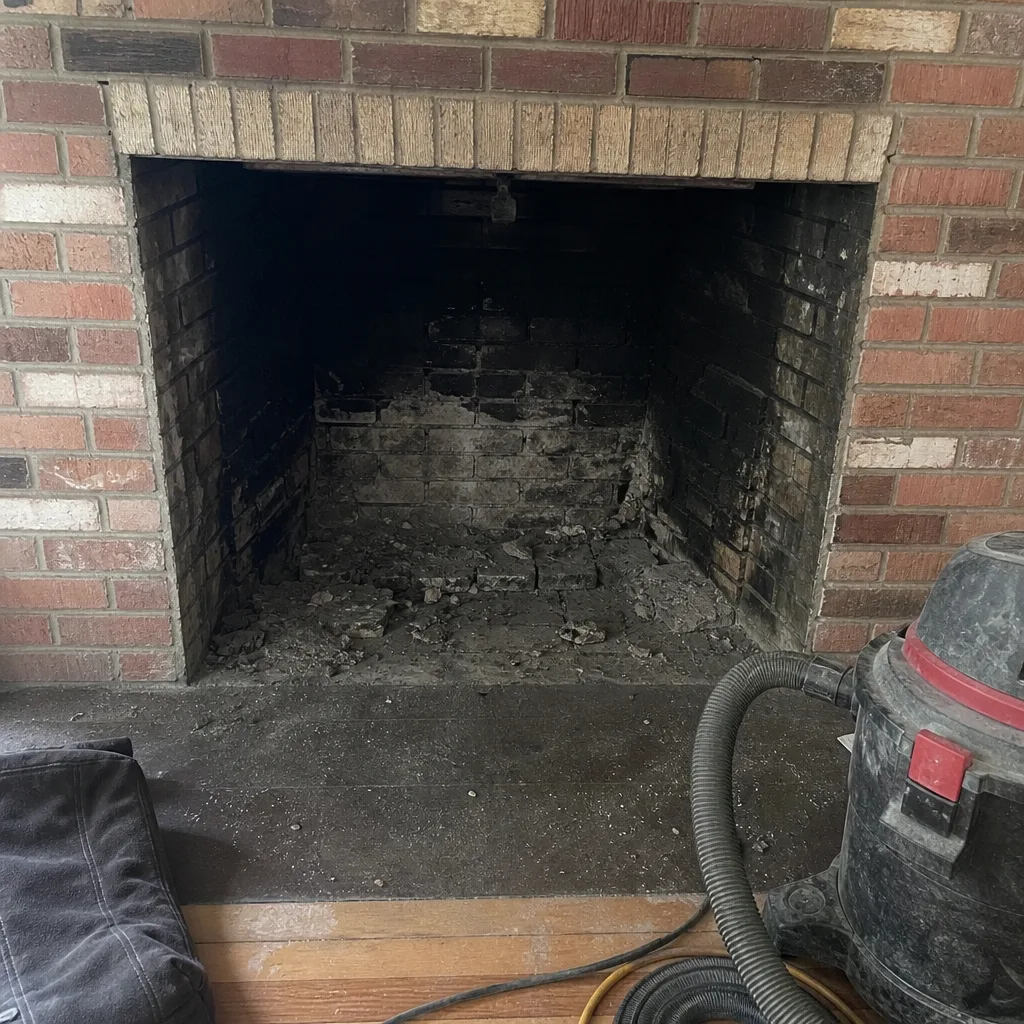
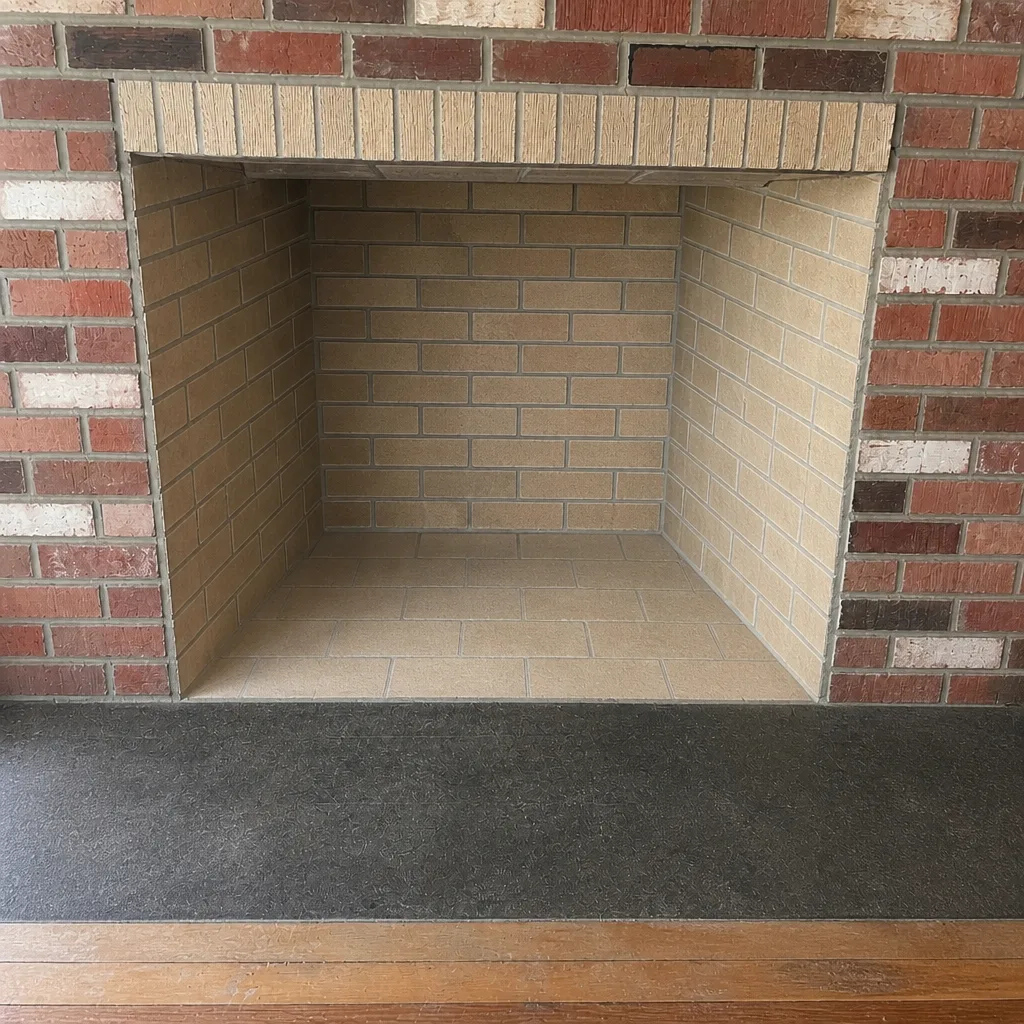
See the difference
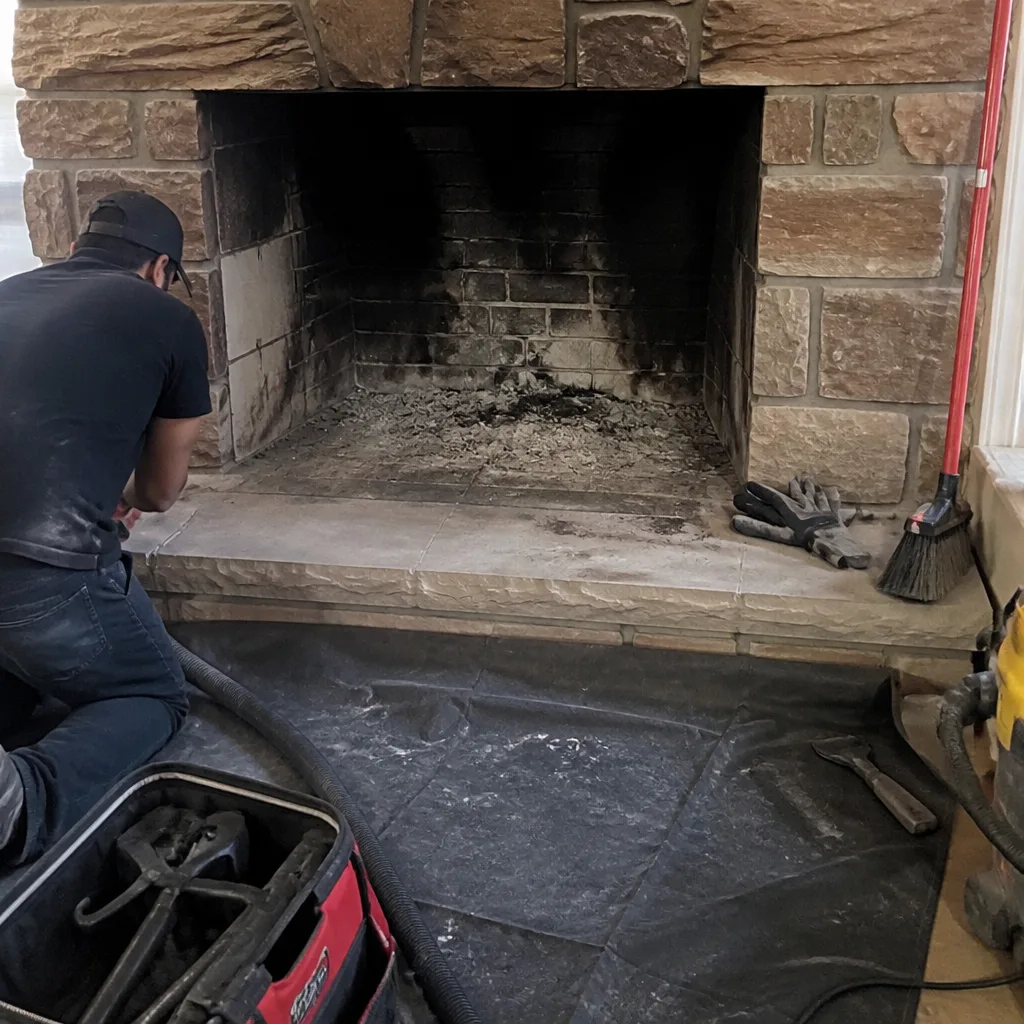 Before
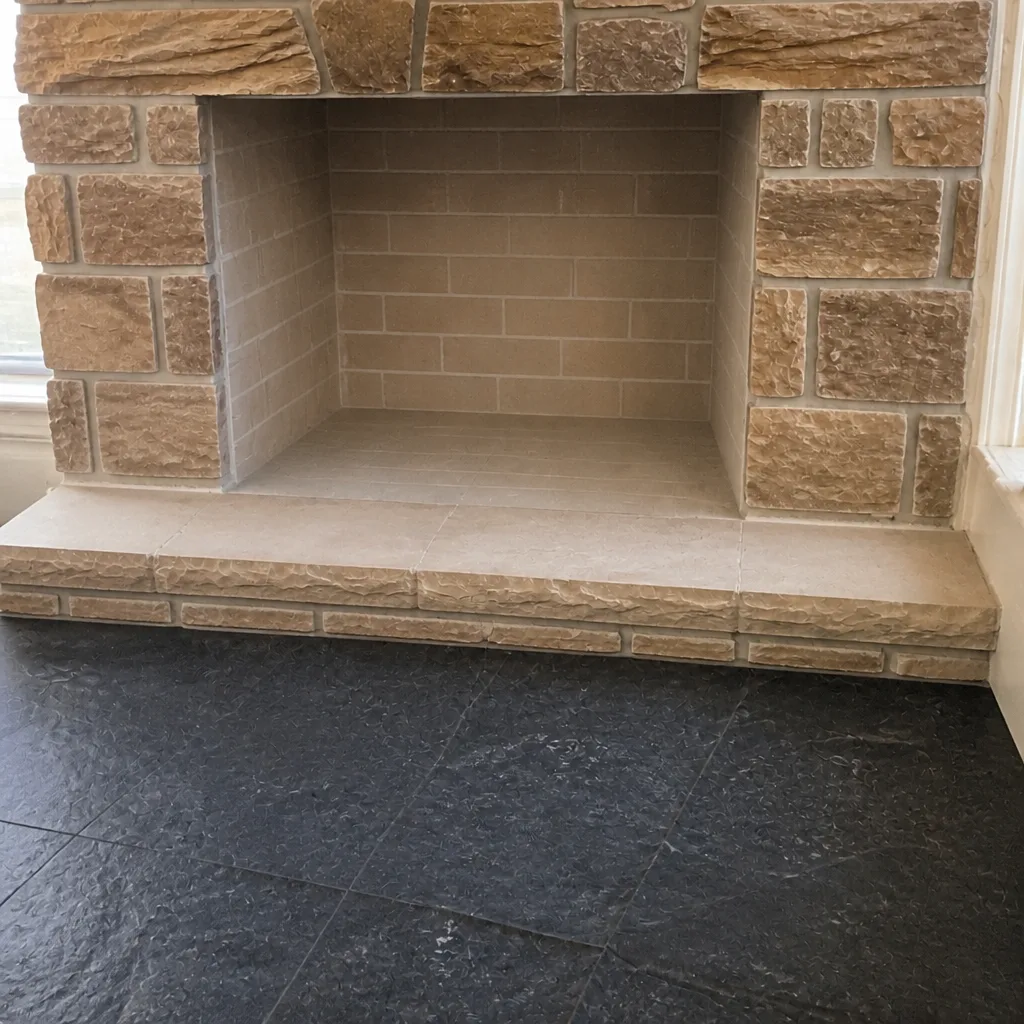 After
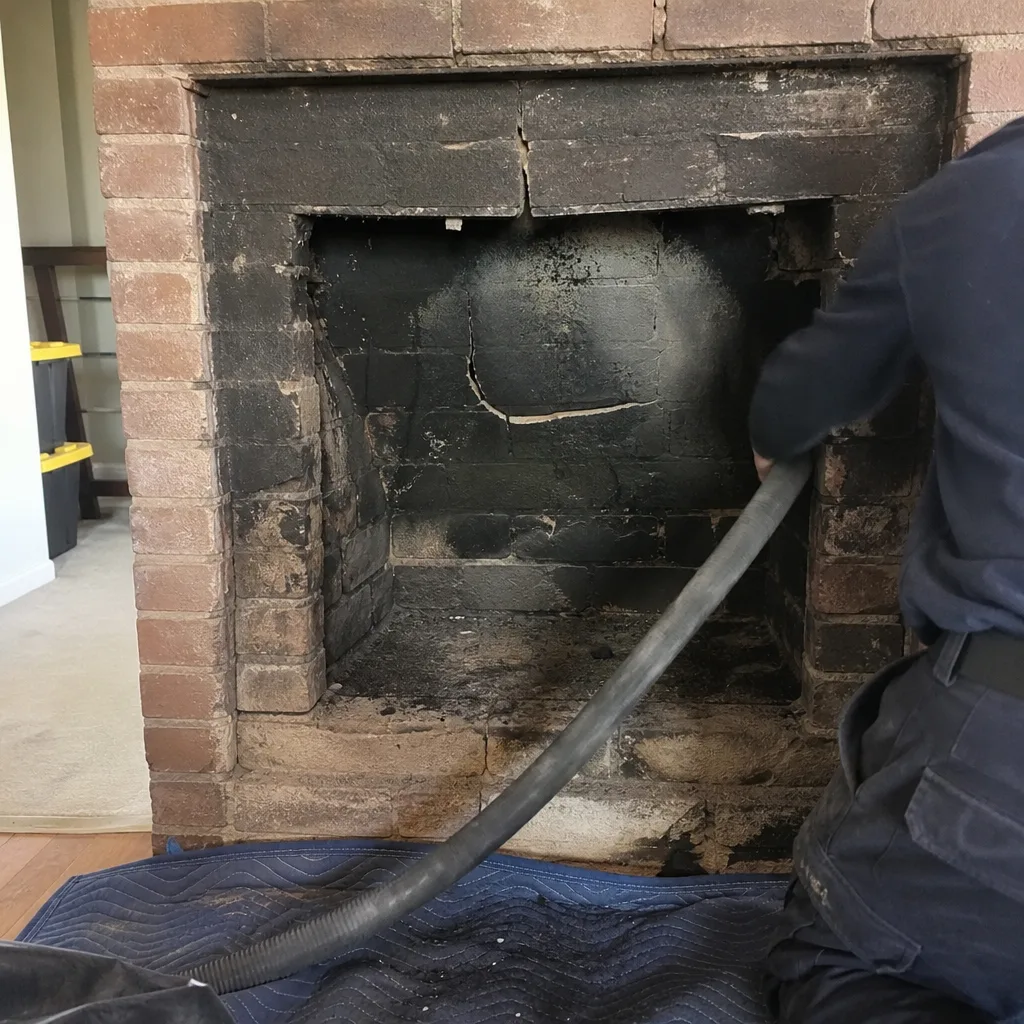 Before
 After
 Before
 After
When to Call a Professional
Call a professional for anything inside the flue, any repair of the crown, cap, flashing, or masonry, and any flue or structural judgment. A few specific triggers are worth acting on right away:
- You see a visible crack or crumbling in the crown heading into fall.
- Your cap is missing or damaged.
- Smoke rolls back into the room during a fire, or the fireplace is hard to start on cold days.
- You see new staining, spalling, or loose mortar during a self-check.
- You’ve moved into a Washington Park home with no chimney inspection on record.
- A home inspection or insurance policy flagged your chimney.
Chimney Sweep Washington Park offers free estimates in Washington Park. Call (833) 482-5684. We answer 24/7. Fast dispatch from 7am to 7pm. We diagnose before we recommend, and every estimate sets the price in writing.
Frequently Asked Questions
Once a year for most actively used wood-burning fireplaces, ideally before the heating season starts. If your Washington Park home burns heavily or has had creosote issues in past inspections, your sweep may recommend a closer interval. Annual sweeping pairs with an inspection so you catch liner and structural changes early; call (833) 482-5684 for a free estimate.
You can safely self-check visible items like the crown, cap, flashing, damper operation, and exterior spalling, but anything inside the flue, plus any repair, requires a trained sweep. Reading flue and liner condition takes a camera and experience, and getting on a roof or into a flue unqualified carries real risk. Visual checks are useful for spotting changes; they don’t replace an inspection. Call (833) 482-5684 for a free estimate.
It means the protective layer between the flue gases and the surrounding structure is sound and free of cracks or deterioration. A sweep checks it with a camera, and depending on what’s found, the fix can range from HeatShield flue resurfacing (restoring the surface without a full liner tear-out) to a flexible DuraFlex reline for irregular flues. Nothing should be recommended without camera evidence you can see. Call (833) 482-5684 for a free estimate.
Creosote keeps accumulating, small crown and cap problems go unfixed through freeze-thaw, and a liner issue can go unnoticed until it’s a larger repair. Skipping a sweep doesn’t make a chimney safer; it just defers the diagnosis. In Washington Park, the freeze-thaw cycle means small water issues can worsen significantly between fall and spring. Call (833) 482-5684 for a free estimate.
Because return cycles between freezing nights and melting days start in fall and can continue into spring, so a repair made before the freeze is far more effective than one made after. A crown or flashing fix in early fall protects the masonry through the whole winter; the same fix in spring repairs the damage winter already did. Warm, dry weather is also when mortar and resurfacing materials cure properly. Call (833) 482-5684 for a free estimate.
Not fully. Gas-converted fireplaces vent and behave differently from wood-burning systems, even in the same chase, so their checklist adds venting inspection, firebox and component review, and different draft and spillage symptoms to watch for. The cap and crown items still apply, since water damage doesn’t care what fuel your fireplace burns. Call (833) 482-5684 for a free estimate.
The Bottom Line
A chimney maintenance checklist for Washington Park works when it follows the season, not the calendar’s generic spring and fall. Fix crown, cap, and flashing problems in early fall, before the freeze-thaw cycle begins. Observe through winter, when repairs can’t cure properly. Book a sweep and inspection before summer, and use the spring thaw to catch what winter revealed. Keep photos and inspection records year over year so every visit builds on the last, and let a trained sweep handle everything inside the flue. Our technicians have up to 12 years of experience, we use named, warrantable materials like Gelco and HeatShield, and we diagnose before we recommend. When you’re ready, call (833) 482-5684 for a free estimate. We answer 24/7. Fast dispatch from 7am to 7pm.
Written by the team at Chimney Sweep Washington Park.