
Last updated November 24, 2026
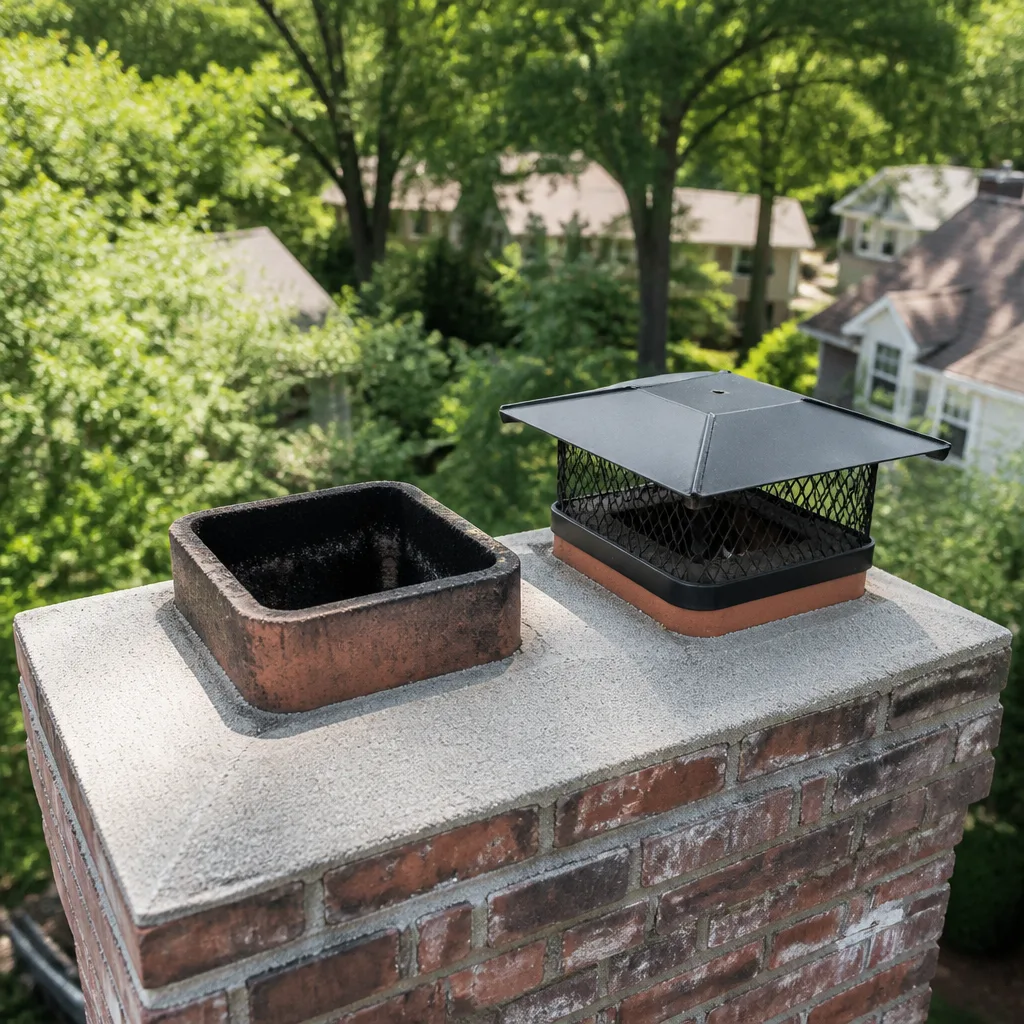 Sweep & inspection
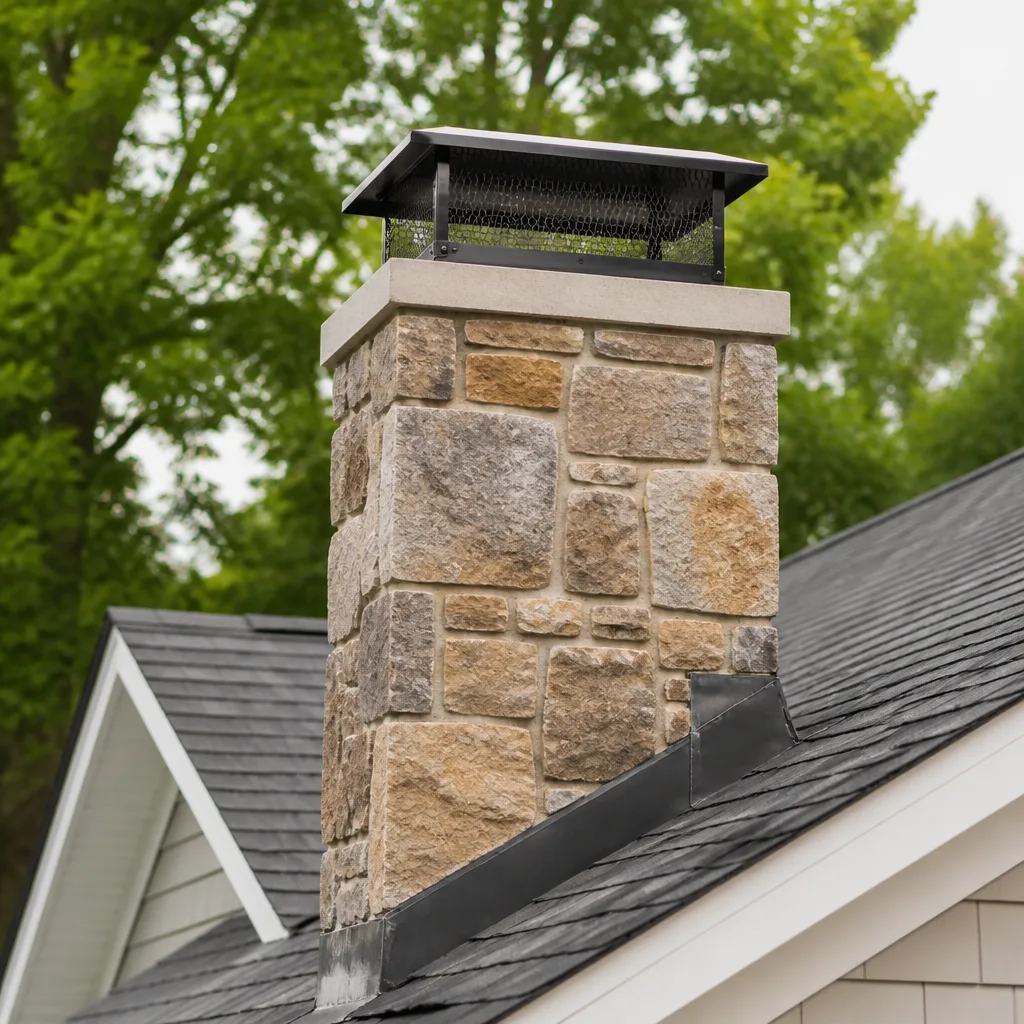 Caps & crowns
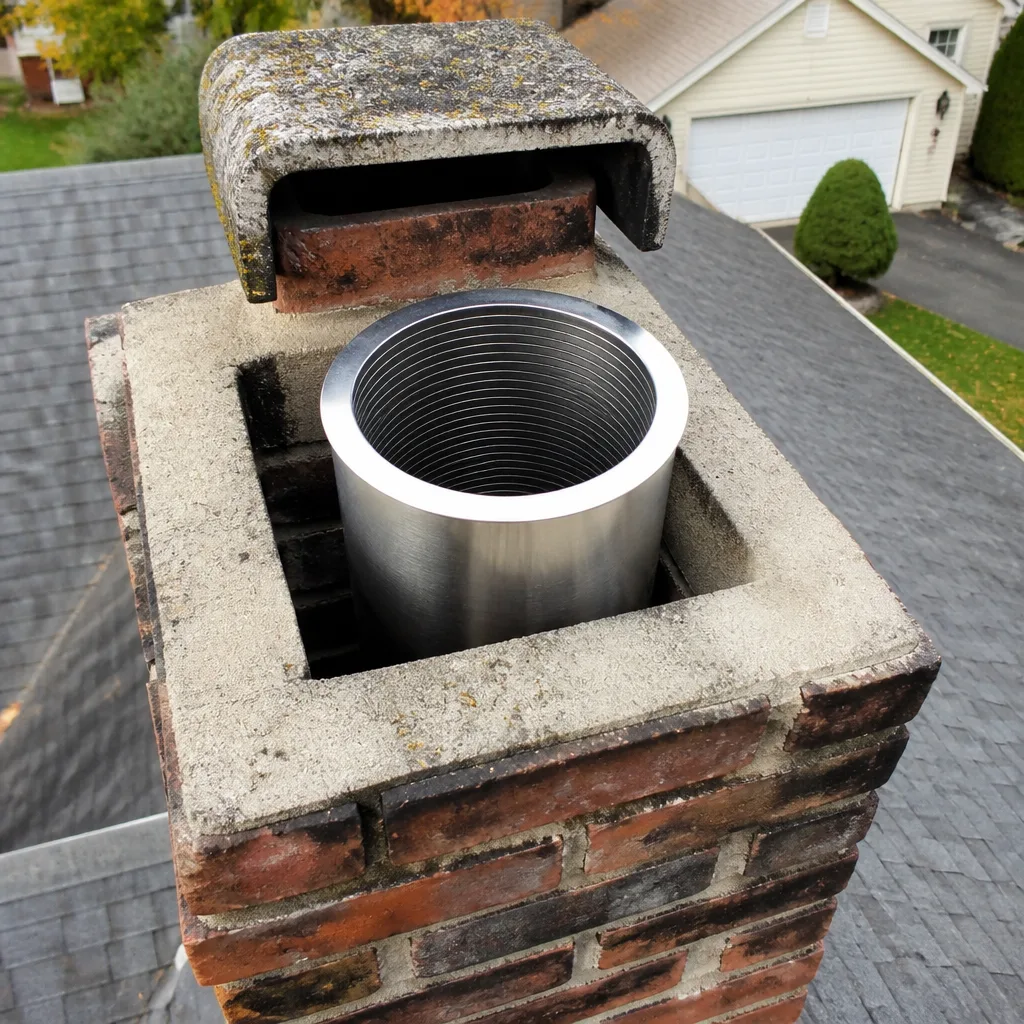 Flue relining
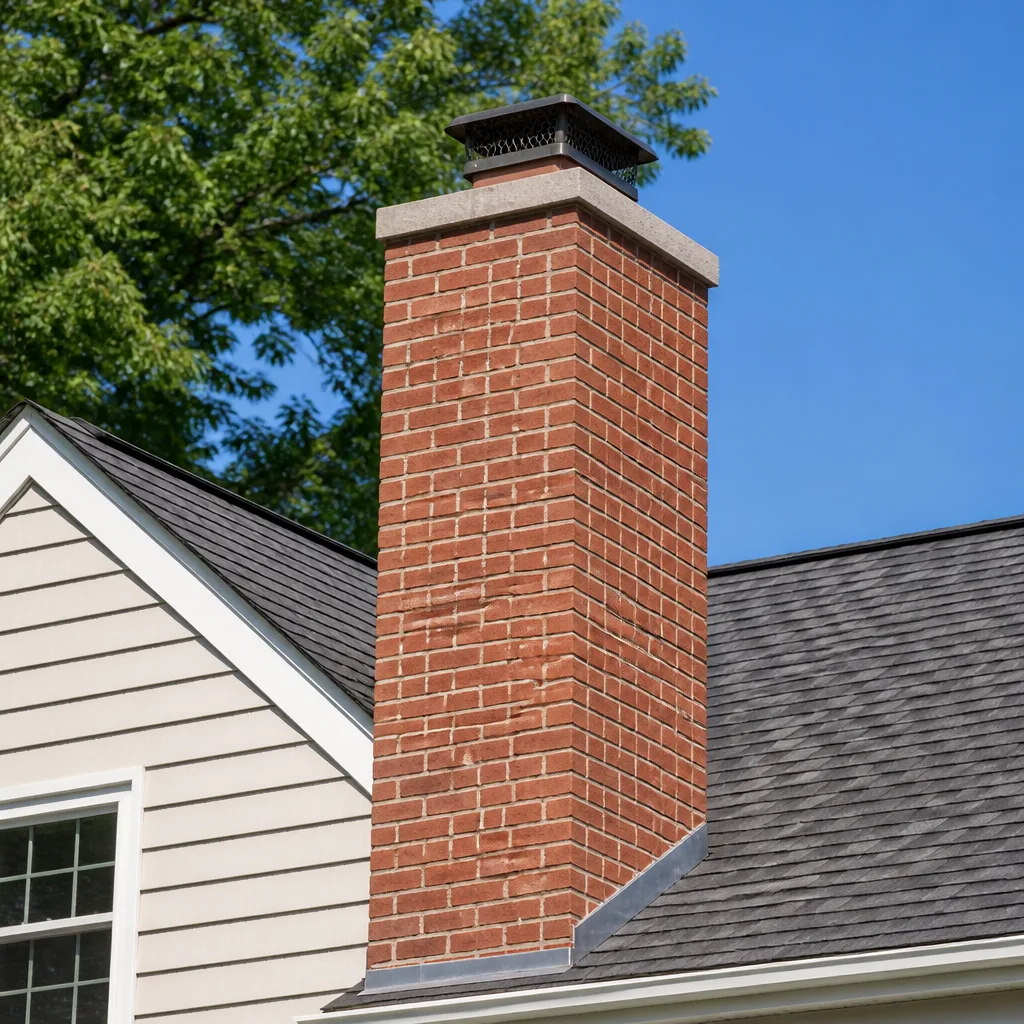 Masonry repair
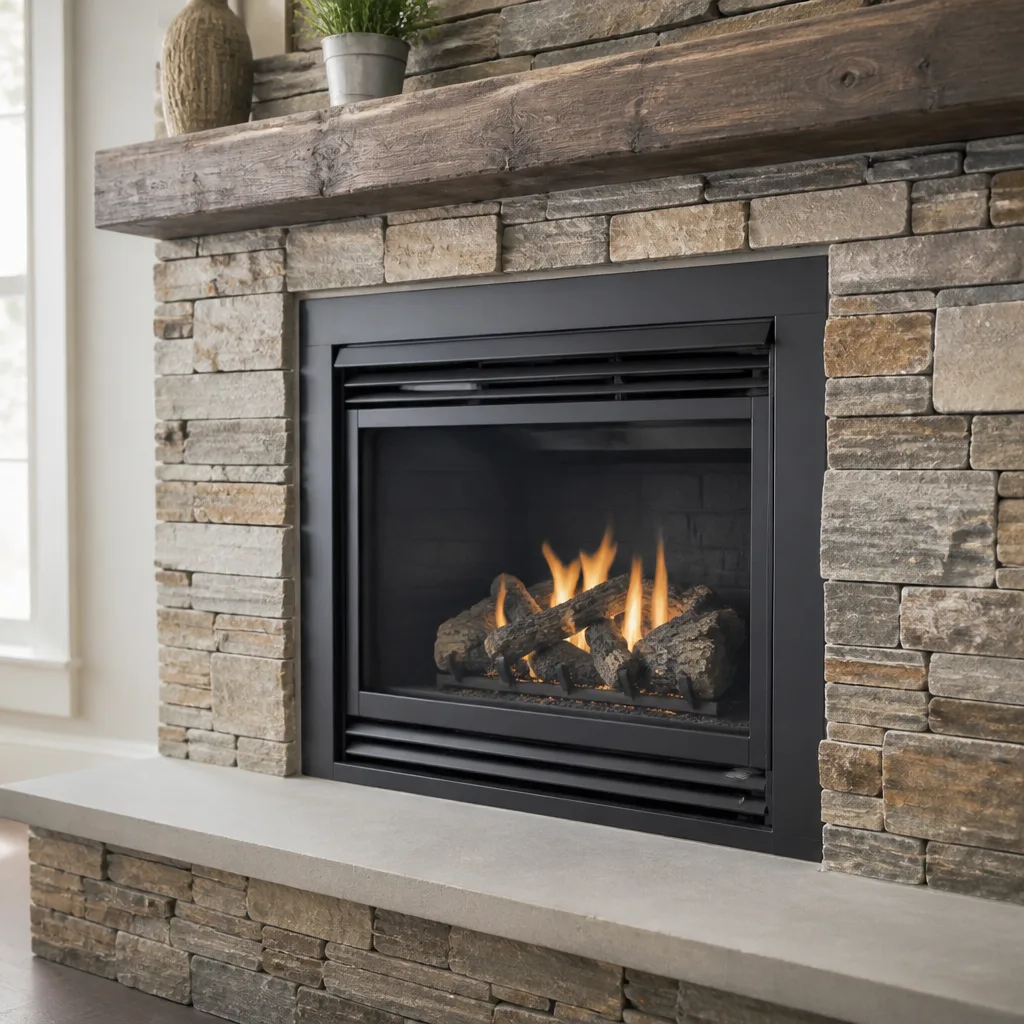 Gas fireplace service
Level 1 sweep and inspection to the NFPA 211 annual standard - flue, crown, cap, and flashing checked and photographed
Chimney sweep logs do not sweep chimneys. They loosen some creosote - which then falls where a brush and vacuum still have to collect it.
The Complete Guide to Chimney Cleaning in Washington Park
Most chimney fires happen in chimneys that were swept recently. That sounds backwards until you understand the difference between removing creosote and understanding what the flue is telling you. A brush down the chimney clears what’s in it; it doesn’t reveal the cracked tile behind it, the crown that’s letting water in, or the Stage 3 glaze that brushing alone won’t touch. In Washington Park, where a lot of the housing stock predates 1970, those hidden problems are common enough that we treat every cleaning as a diagnostic sequence, not a one-visit errand. This guide walks you through that sequence: what gets inspected, what gets removed, what the findings mean, and what you should walk away with in writing.
Quick Answer
A proper chimney cleaning in Washington Park is a multi-step process: a Level 1 or Level 2 inspection comes first, the sweep removes creosote and debris based on what the inspection found, and you leave with a written findings report documenting the flue condition, any defects, and whether repair is needed now or can safely wait. The cleaning itself is only one part of the job. The inspection that precedes it, and the report that follows, are what protect your home and your wallet.
Styles & brands we work with
- Sweep & inspection
- Caps & crowns
- Flue relining
- Masonry repair
- Gas fireplace service
Table of Contents
- Why Chimney Cleaning Is a Sequence, Not a Single Service
- Level 1, 2, and 3 Inspections: What Each One Covers
- The Three Stages of Creosote and Why the Cleaning Method Changes
- Why Washington Park’s Older Homes Need a Different Cleaning Protocol
- What Happens During a Professional Sweep: Step by Step
- What You Should Receive in Writing After the Sweep
- Closing the Gap Between Findings and Repair
- How Often Should a Washington Park Chimney Be Swept?
Why Chimney Cleaning Is a Sequence, Not a Single Service
The National Fire Protection Association identifies failure to clean as the leading factor in chimney fires. That statistic gets quoted everywhere. What it doesn’t say is that a significant share of those chimneys had been “cleaned” by someone who ran a brush down the flue and left without inspecting anything above, below, or around it. The cleaning happened. The fire still happened, because the defect that caused it was never found.
That’s why we treat chimney cleaning in Washington Park as a sequence with three linked parts:
- Assess before you remove. An inspection tells us what’s in the flue, what condition the liner is in, and whether the cleaning method needs to change based on what we find. A Stage 3 tar deposit needs a different approach than a light Stage 1 dusting.
- Clean to the condition found. The sweep itself is matched to the creosote stage, the liner material, and any obstructions (nesting material, debris, a partially collapsed tile).
- Document and recommend. You get a written report of what we found, what we removed, what’s still a concern, and whether it needs attention now or can wait.
Skip any one of those steps and the job is incomplete. Skip the first and you might clean a flue that shouldn’t be brushed yet. Skip the third and you have no record of the chimney’s condition, which matters for insurance, resale, and your own planning.
If you’re searching for chimney sweep service in the neighborhood, the question worth asking before you book isn’t “how much for a sweep” but “what does the sweep include, and what do I get in writing afterward.”
Level 1, 2, and 3 Inspections: What Each One Covers
NFPA 211 defines three inspection levels, and knowing which one you need prevents both overpaying for a Level 3 you don’t need and missing a Level 2 you do. Here’s the plain-language breakdown:
Level 1 Inspection
A visual check of readily accessible portions of the chimney, firebox, and flue, without tools that could damage the structure. This is the baseline inspection for a chimney that’s in continued service with no changes to the system. It’s what typically accompanies a routine annual sweep.
Level 2 Inspection
A more thorough inspection that includes accessible attics, crawl spaces, and the chimney exterior, plus video scanning of the flue interior where required. NFPA 211 calls for a Level 2 inspection when there’s been a change to the system: a new appliance, a fuel change, a home sale or transfer of property, an event like a chimney fire or earthquake, or when a Level 1 reveals a problem that needs closer look. This is the level that catches cracked or missing tile joints, gaps in a liner, and hidden creosote deposits behind offsets.
Level 3 Inspection
A Level 3 is diagnostic and may involve removing parts of the chimney or building to access concealed areas. It’s reserved for cases where a Level 1 or 2 reveals a serious concern that can’t be resolved without opening things up. It’s the least common of the three, and it should only be recommended with a specific reason spelled out.
Most Washington Park homeowners booking an annual sweep need a Level 1, upgraded to a Level 2 if the home is new to them, the appliance has changed, or the visual inspection raises a flag. If a company recommends a Level 3 without explaining exactly what they need to access and why, ask for that explanation before agreeing.
The Three Stages of Creosote and Why the Cleaning Method Changes
Creosote is the residue left behind when wood smoke cools before it exits the flue. It builds up in three distinct forms, and each one requires a different cleaning approach. This is where the “brush it and go” approach fails.
Stage 1: Soot and Flaky Creosote
A light, dusty, or flaky deposit that accumulates from regular burning with reasonable draft. It’s the easiest to remove and responds to a standard poly brush. If your chimney has only ever had Stage 1 buildup, a routine sweep keeps it clear.
Stage 2: Hardened, Crusty Creosote
This is a denser, crusty layer that clings to the flue walls and can’t be brushed off with standard tools. It typically forms in chimneys with draft problems, cool flue temperatures, or wood that hasn’t been properly seasoned. Stage 2 requires more aggressive mechanical cleaning, and it’s often the stage at which a home inspection first flags a chimney concern.
Stage 3: Glazed Tar
A hard, shiny, tar-like coating that can look almost like a varnished surface on the flue wall. Stage 3 is the highest fire risk because the deposit itself is highly combustible, and brushing alone won’t remove it. Cleaning at this stage may require chemical treatment or, in some cases, careful mechanical removal, and the flue needs a close assessment before and after. It’s also the stage at which a flue liner’s condition matters most, because the deposit and the heat it holds sit directly against the liner.
We’ve seen all three stages in Washington Park. The cleaning method changes depending on what we find, and so does the recommendation that follows. A chimney with Stage 3 glaze and a cracked tile behind it is a different conversation than a Stage 1 dusting on a stainless liner.
Why Washington Park’s Older Homes Need a Different Cleaning Protocol
A large share of Washington Park’s housing was built before 1970, and that shapes how a chimney needs to be cleaned. Older masonry chimneys typically have clay tile liners, installed in stacked sections with mortar joints between them. Those joints are the weak points. Over time, heat cycling and moisture cause the mortar to crack or the tiles to shift, and once that happens the flue is no longer sealed from the surrounding masonry.
A clay tile liner also presents a different cleaning surface than a modern stainless steel liner. Stainless liners are a continuous smooth tube, so creosote builds up evenly and brushes clean predictably. Clay tile is jointed, often slightly irregular, and more prone to holding deposits at the mortar seams. We change our approach accordingly: the brush type, the pressure, and the level of care around the joints. Brushing a fragile clay liner the same way you’d brush a stainless one can cause damage, and we’ve seen flues where that’s exactly what happened.
Two other Washington Park-specific factors matter:
- Altitude and draft. Washington Park sits above 5,000 feet, and at higher altitude the reduced air density affects draft. A chimney that drafts adequately at sea level can smoke back in a Colorado flue. Slow draft means slower creosote formation risk and more potential for warmer, stickier deposits. If your fireplace puffs or smokes when you start a fire, that’s a draft issue worth inspecting, not just a lighting technique problem.
- Dry climate and masonry movement. The freeze-thaw cycling and low humidity in the area stress masonry chimneys. Cracks in the crown, spalling brick, and loose mortar at the flue top are common findings when we get up on the roof. A cleaning-only visit that never looks at the crown misses the leading cause of water damage to a masonry chimney.
If the pre-1970 home you’re in has a clay tile flue and a fireplace you actively use, the cleaning plan should account for both the deposit and the condition of the tile. That’s why a Chimney Sweep Washington Park visit includes the inspection as a first step. You can’t choose the right cleaning method until you know what you’re cleaning and what you’re cleaning it off of.
What Happens During a Professional Sweep: Step by Step
Here’s the sequence we walk through on a typical Washington Park chimney cleaning, and why each step matters:
- Pre-sweep interview. We ask about the appliance, what you burn, how often you burn it, and whether you’ve noticed smoke, odor, or draft problems. That context directs the inspection.
- Drop cloths and containment. The work area gets sealed off before any tools go in. A chimney sweep that doesn’t contain the workspace is one that leaves soot on your floor.
- Level 1 inspection with video where needed. We inspect the firebox, damper, smoke shelf, flue, and accessible exterior and top. If a closer look is needed, the flue gets video-scanned.
- Creosote assessment. We identify the stage and extent of the deposit and match the cleaning method to it.
- Mechanical sweep. Brushes sized to the flue remove the deposit. The type and aggressiveness depend on the liner material and creosote stage.
- Debris removal. Soot, ash, and any nesting material get removed from the firebox and smoke shelf area.
- Post-sweep check. We re-check the flue and document the condition after cleaning, since some defects only become visible once the deposit is gone.
- Written findings report. You receive a written report of what we found, what we did, and what needs attention. This is where the value of the visit sits.
When a sweep is done right, the report is as important as the brush. It’s what you keep for insurance, for your records, and for planning the next step if the findings warrant one.
What You Should Receive in Writing After the Sweep
A receipt for the sweep is not a findings report. What a Washington Park homeowner should actually walk away with is a document that covers:
- The inspection level performed and what it covered
- The extent and stage of creosote found, and the cleaning method used
- The condition of the flue liner (clay tile joints, gaps, cracking, or a stainless liner’s condition)
- The condition of the crown, cap, mortar joints, and flashing as seen from the roof
- Any blockage, obstruction, or draft issue identified
- A clear statement of what needs attention now, what can safely wait, and what to monitor
- Photographs or video where the finding is internal to the flue
That report does three things. It gives you visible evidence of what we found, so nothing we recommend is based on a claim you can’t see. It serves as documentation for insurance, a real estate transaction, or a home inspection follow-up. And it gives the next technician, whether that’s us or someone else, a clear record of the chimney’s baseline condition.
Standalone chimney inspection is a service we offer for exactly this reason. Some homeowners want the documentation without a sweep, whether they’re buying a home in Washington Park, responding to an insurance request, or just getting a baseline before heating season. That’s a legitimate use of an inspection, and it’s the foundation of how we diagnose before we recommend.
Closing the Gap Between Findings and Repair
Here’s the problem with a cleaning-only company: the sweep ends, you get a list of issues, and then you have to find someone else to fix them. The company that found the problem and the company that fixes it are two different businesses, and the scope often gets lost in between. A sweep says “the crown is cracked.” A second contractor comes out for crown repair but isn’t told about the cracked tile joint, and that repair happens later, by a third call, if it happens at all.
We close that gap. Our scope runs from the sweep through the structural repair, so a single company diagnoses and finishes the work without handing you off. That matters most in a few specific areas:
HeatShield Flue Resurfacing
When a clay tile flue has cracked joints but the overall structure is sound, HeatShield resurfacing can restore a sealed flue without the cost and disruption of a full liner tear-out. It’s a non-destructive repair alternative many cleaning-only companies can’t offer, and it’s often the right answer for a Washington Park home with older tile that isn’t ready for a full reline.
DuraFlex Liner Systems
When the flue needs a new liner, DuraFlex flexible liner systems can be installed in older or irregularly shaped flues where rigid systems can’t follow the path. That’s common in pre-1970 homes with offset flues or a chimney that was built around a shape rather than lined as a straight tube. A flexible system means those flues can be relined without major demolition.
Cap and Crown Work
A missing or cracked crown is the leading cause of chimney water damage. Water gets into the masonry, freezes, expands, and opens the mortar joints further. Between the freeze-thaw cycles and the spring moisture in Washington Park, a failing crown degrades fast. We install and replace caps and crowns using Gelco products, and it’s a named specialty rather than an afterthought, because it’s the repair that protects everything else.
Fireplace and Component Repair
Beyond the flue, the firebox, damper, and hearth components are part of the system. A sweep that stops at the flue throat and never looks at the damper is a sweep that missed a likely failure point. Our fireplace repair work covers those components, and we use Olympia Chimney and Famco parts where the size and fit call for them, alongside Copperfield components where the application fits. These are named, warrantable product lines rather than generic stock, which matters when a repair needs to outlast the next season.
When repair is needed, the recommendation comes from what the inspection found and what you can see in the report. When repair can safely wait, we say so. A chimney crown with minor surface crazing can be monitored and resurfaced later; a missing cap with water running down the flue can’t. Knowing the difference is the whole point of documenting findings.
How Often Should a Washington Park Chimney Be Swept?
The general rule of thumb is once a year for a chimney in regular use, and the logic is simple: annual cleaning and inspection catch deposits before they reach a dangerous stage and surface defects before they become expensive. But how often your specific Washington Park chimney needs sweeping depends on how it’s used.
- Regular wood burning (several fires a week through the heating season): annual sweep, minimum. Some higher-use chimneys benefit from a mid-season check.
- Occasional use (a few fires a month): annual inspection, and sweep when the deposit warrants it rather than on a fixed schedule.
- Gas fireplace or appliance: vents and draft pathways still need inspection. Gas carries different risks than wood, and the flue or venting still has to be checked for obstruction and condition.
- Any chimney after a chimney fire event: a Level 2 inspection regardless of the last sweep date.
Burning seasoned wood matters as much as sweeping frequency. Unseasoned wood produces more creosote per fire, so a chimney burning green wood builds deposits faster than one burning dry, well-seasoned hardwood. If you’re not sure whether your wood is ready, the split-log test (a fresh split face should be dry and not feel cool to the touch) is a rough check, but the cleaner answer is to buy wood that’s been seasoned for a season.
Annual timing is worth planning around. The slow season for chimney work is the warmer part of the year, before heating season starts. A Washington Park homeowner who books the sweep in advance of the first cold snap avoids the scramble that hits every fall.
Common Mistakes to Avoid
- Hiring a cleaning-only service and expecting a diagnosis. A brush-and-go visit clears the flue but won’t tell you if the crown is failing or the tile joints have cracked. If you want findings, book a service that includes inspection and documentation.
- Skipping the inspection because the sweep “looked fine.” A flue can look fine from the firebox and have a cracked tile joint twenty feet up. The inspection is what finds that.
- Assuming a stainless liner means no cleaning needed. Stainless liners need cleaning too. They resist damage better than clay, but creosote deposits don’t care what they’re sitting on. Brushing a stainless liner is easier, not unnecessary.
- Burning unseasoned wood to save money. Wet wood creates more creosote, which means more frequent cleaning and higher fire risk. Seasoned wood costs a little more upfront and deposits far less.
- Ignoring a missing or damaged cap. In Washington Park, a missing cap lets rain, snow, and small animals into the flue. That’s the entry point for most water damage to a masonry chimney. If your cap is gone or cracked, that repair outranks almost anything else on the list.
- Booking a sweep after the first cold spell instead of before. The fall surge means longer wait times. The slower season for booking is the warm months.
- Treating the findings report as optional. If a company doesn’t give you written findings, you have no record of the chimney’s condition for insurance, resale, or the next project. Ask what you’ll receive before you book.
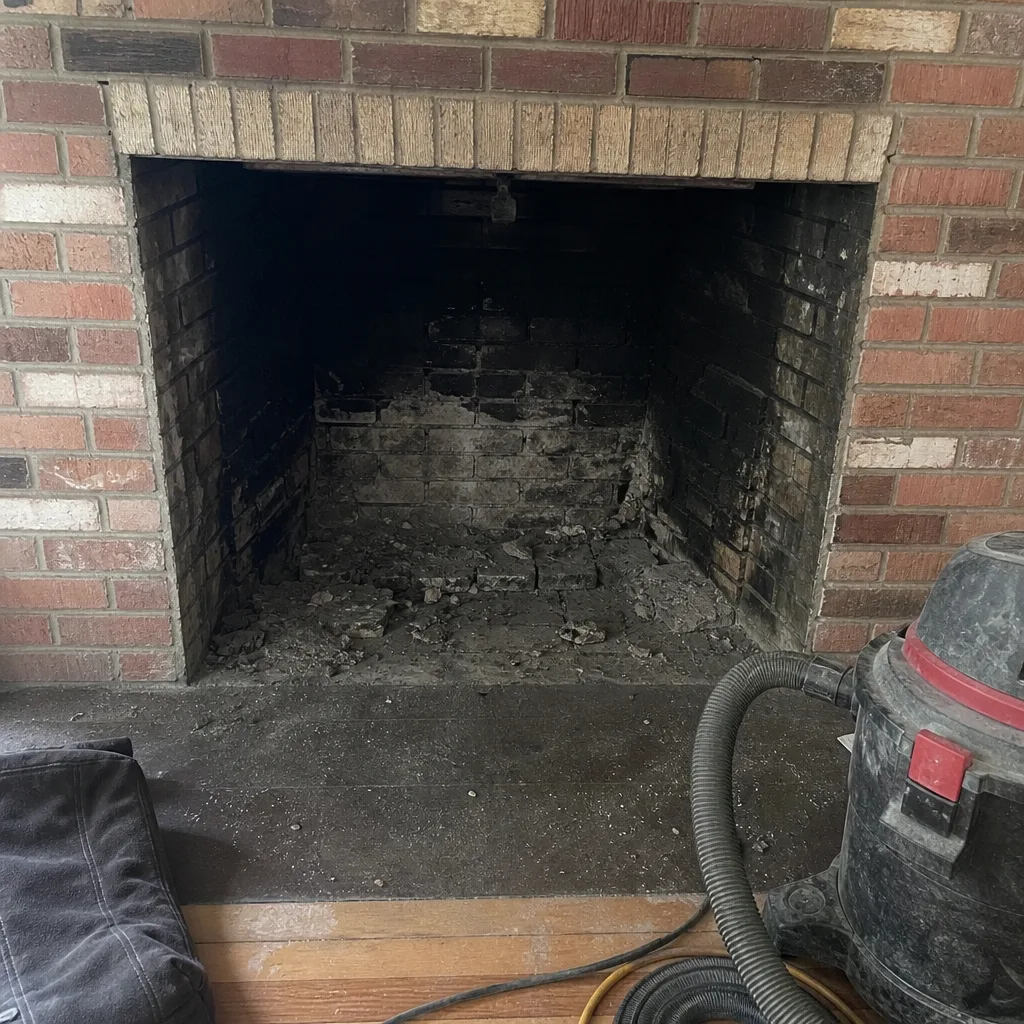
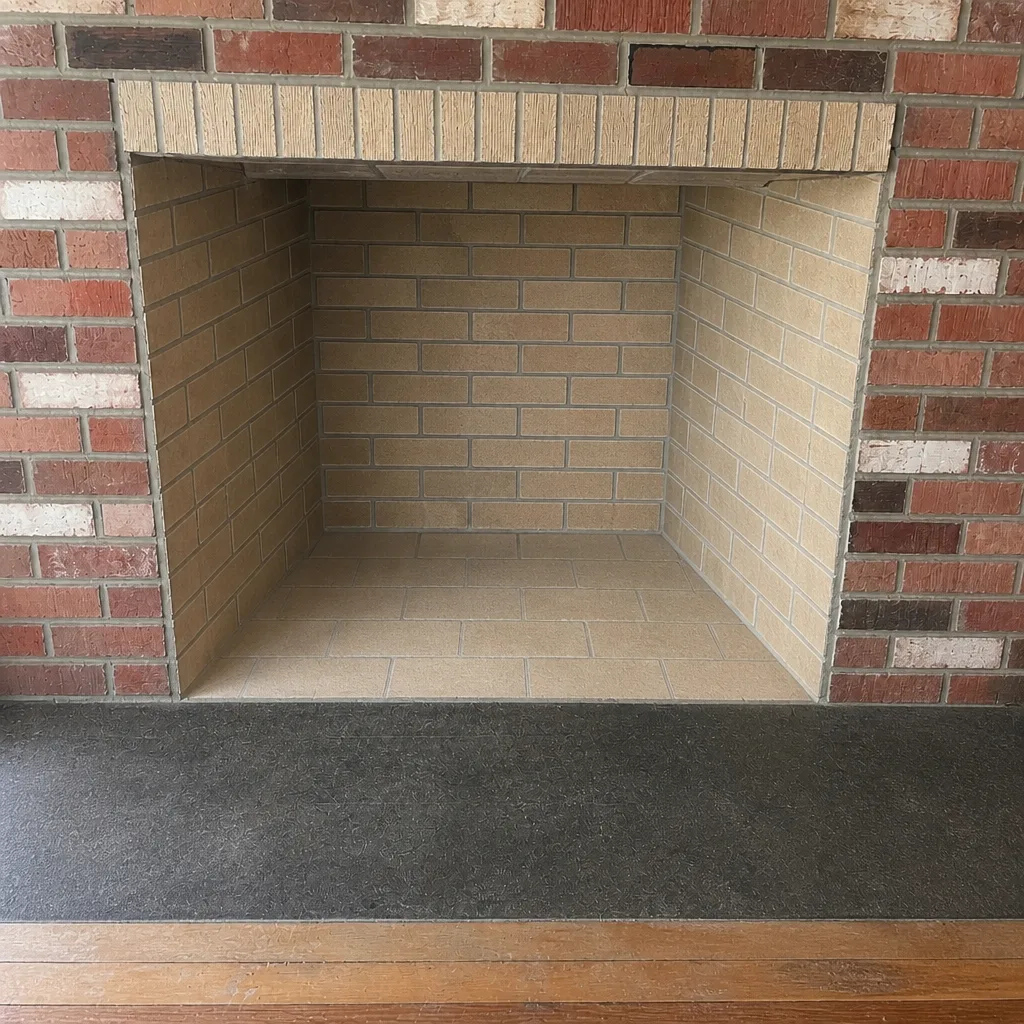
See the difference
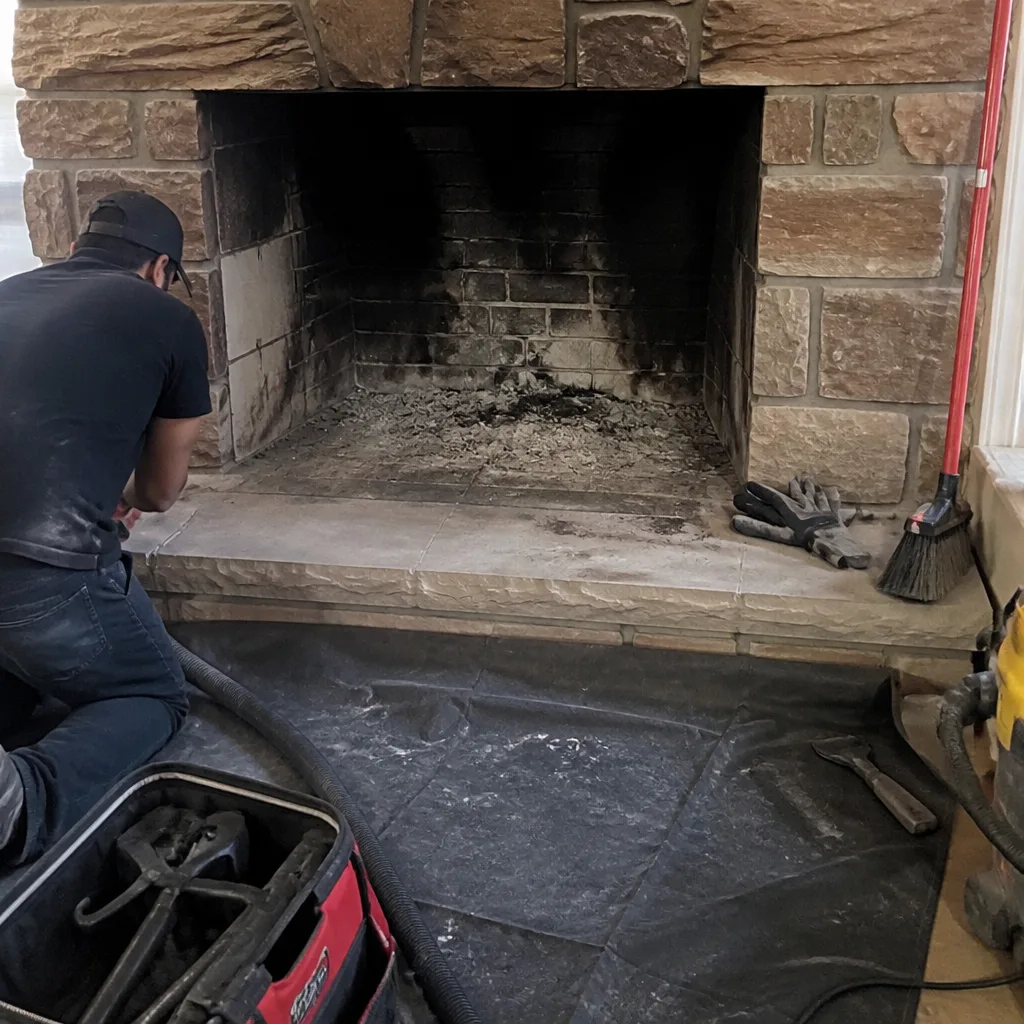 Before
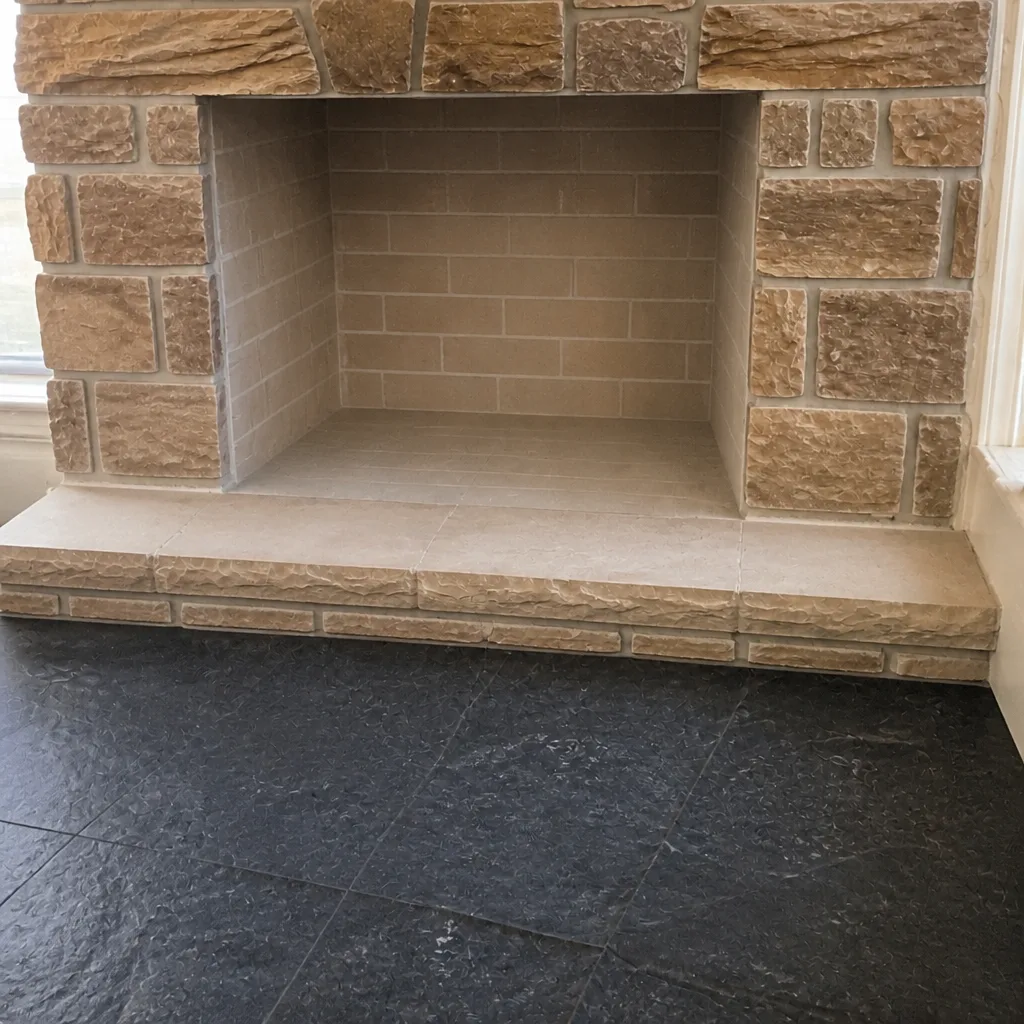 After
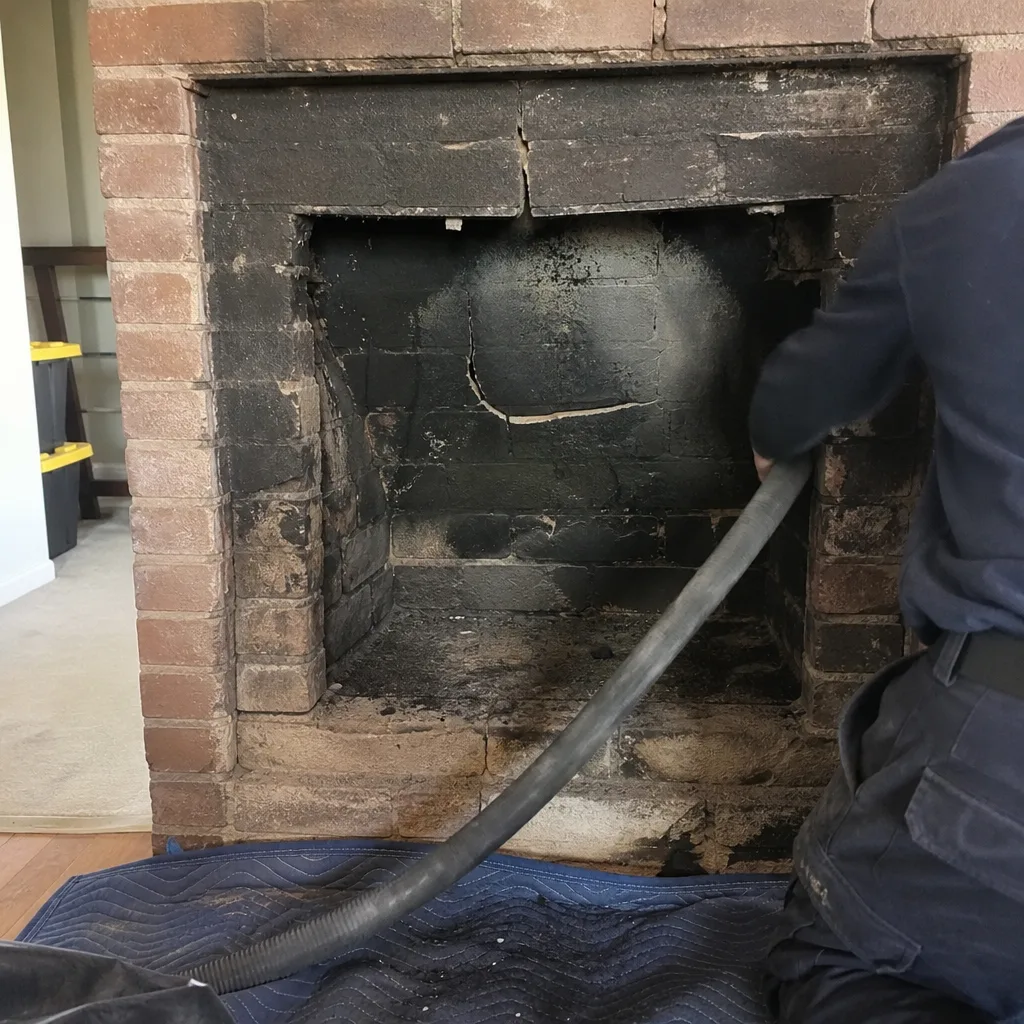 Before
 After
 Before
 After
When to Call a Professional
Some chimney situations need a trained technician, not a do-it-yourself check. Call when you see smoke backing into the room, smell a strong creosote draft when the fireplace isn’t burning, notice crumbling mortar or a cracked crown from the ground, find a missing or damaged cap, suspect a liner problem after a home inspection, or hear a roar and popping that suggests a chimney fire has happened. Also call if the flue has never been inspected since you moved in, or the home is pre-1970 with an unknown chimney history. Those are the cases where a professional inspection should come before anything else. The work involves height, confined spaces, and masonry that can fail under load, and it isn’t a safe project for a homeowner. If you’re unsure, a call settles it. Free estimates are available in Washington Park. Call (833) 482-5684 to schedule.
Frequently Asked Questions
A standard chimney sweep typically runs a modest amount, with inspection and any repair work priced separately based on what’s found. Pricing here is per job and confirmed by written estimate before work begins, so you know the number upfront. Call (833) 482-5684 for an exact quote. Estimates are free.
Not always. A cracked clay tile flue sometimes needs only resurfacing, which is where HeatShield flue resurfacing comes in, restoring a sealed flue without a full liner tear-out. A flue with significant structural failure or an irregular shape may need a flexible liner like DuraFlex instead. The right answer comes from the inspection, not from a quote given before anyone looks. Call (833) 482-5684 to schedule an inspection and get a clear recommendation.
Annually for a wood-burning chimney in regular use, and at least once a year for any chimney you haven’t had inspected since buying the home. Usage level, wood quality, and what the inspection finds all affect the timing. Call (833) 482-5684 to book a sweep and inspection.
Creosote accumulates with every burn, and the stage advances over time. The risk that comes with it, chimney fire and carbon monoxide exposure from a blocked or damaged flue, grows with the deposit. Skipping also means skipping the inspection that would have caught a failing crown or cracked tile before it turned into a masonry repair. Call (833) 482-5684 before the next heating season.
Cleaning removes what’s in the flue; inspection evaluates the condition of the flue, liner, crown, cap, and related components. The two belong together, because the cleaning method depends on what the inspection finds, and the repairs you consider depend on the inspection’s report. We offer inspection as a standalone service when documentation is what you need. Call (833) 482-5684 to discuss which fits your situation.
Yes. Cap and crown installation and replacement is one of our core services, using Gelco products, and it addresses the leading entry point for water damage in a masonry chimney. If your cap is missing or cracking, that’s a repair worth scheduling. Call (833) 482-5684 for a free estimate on chimney cap & crown work.
The Bottom Line
Chimney cleaning is worth doing, but the cleaning alone is the smaller half of the job. The inspection that matches the method to the flue, the sweep itself, and the written findings you keep afterward are what protect a Washington Park home. Older homes with clay tile flues need a protocol that accounts for the joints and the liner’s condition, and creosote stage changes the method as well as the urgency. A company that diagnoses before it recommends, and finishes the repair rather than handing you a list and walking away, is the one that closes the loop. Keep your reports. Book before the fall. And if a finding needs a fix, do it before the next freeze cycle stresses the masonry further.
To book a sweep, inspection, or repair, call (833) 482-5684 for a free estimate. Our technicians have up to 12 years of experience, we answer 24/7, and fast dispatch runs from 7am to 7pm, Sunday through Friday.
Written by the team at Chimney Sweep Washington Park.