
Last updated November 24, 2026
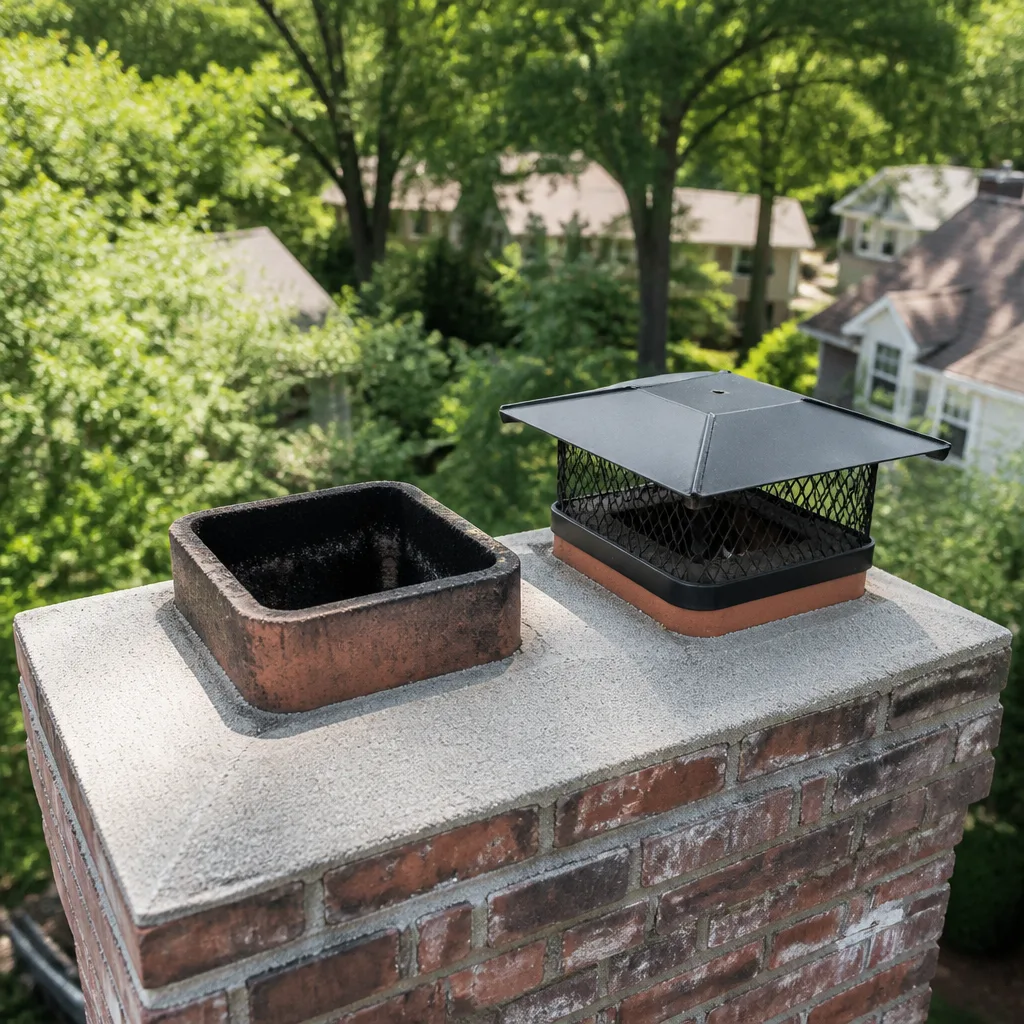 Sweep & inspection
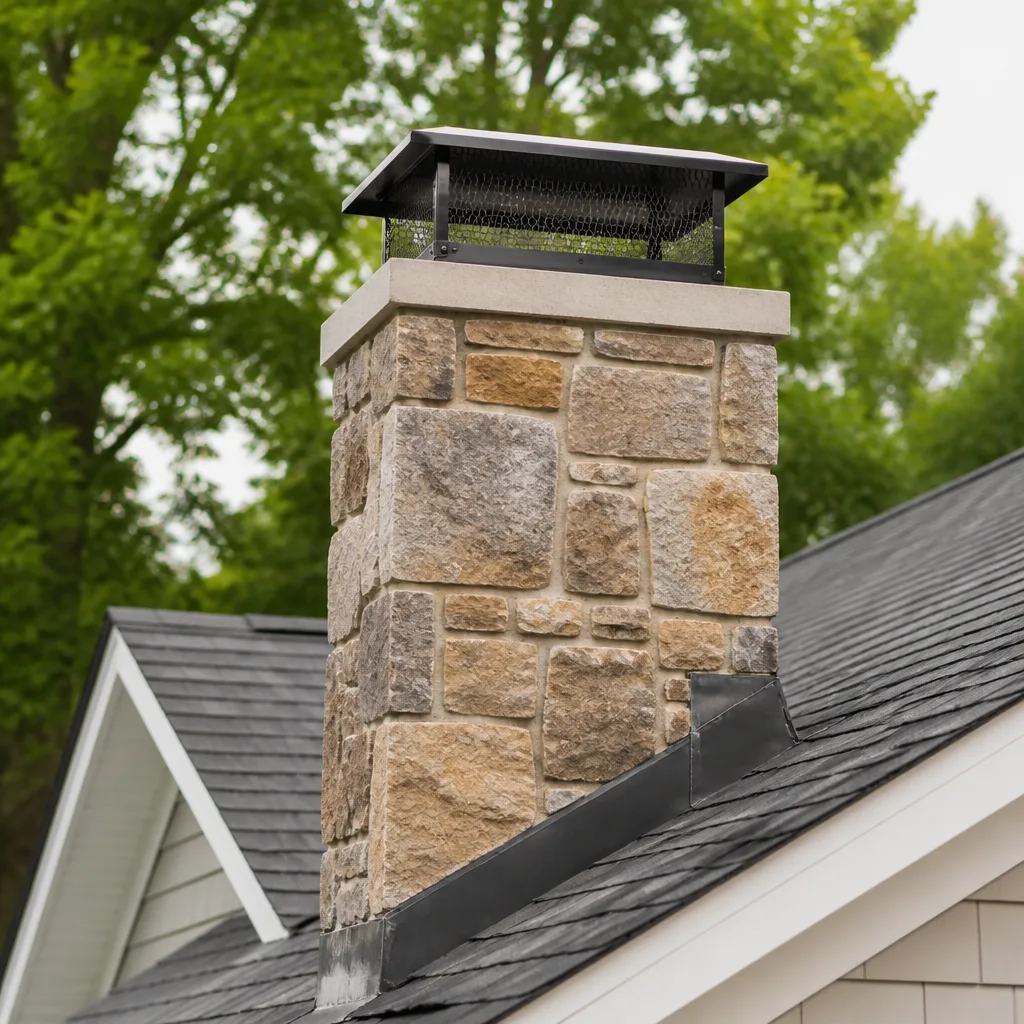 Caps & crowns
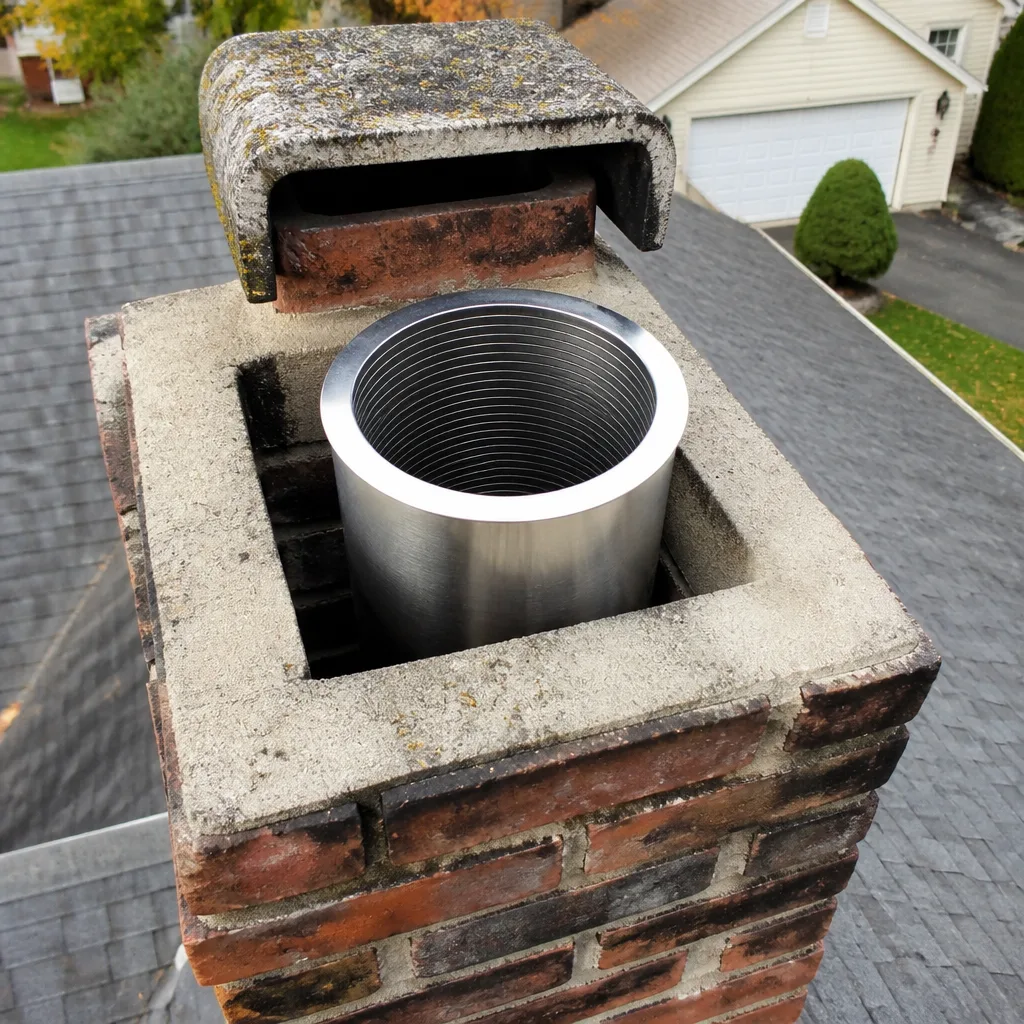 Flue relining
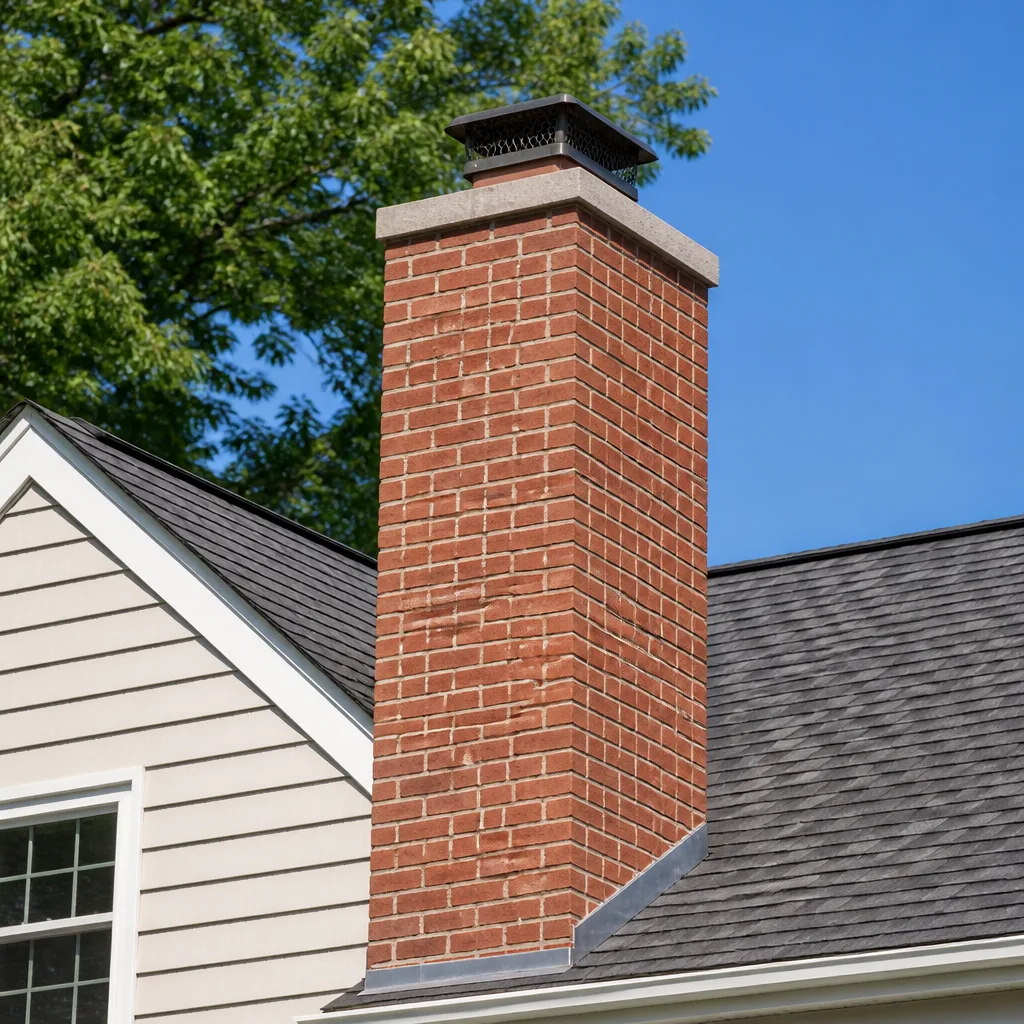 Masonry repair
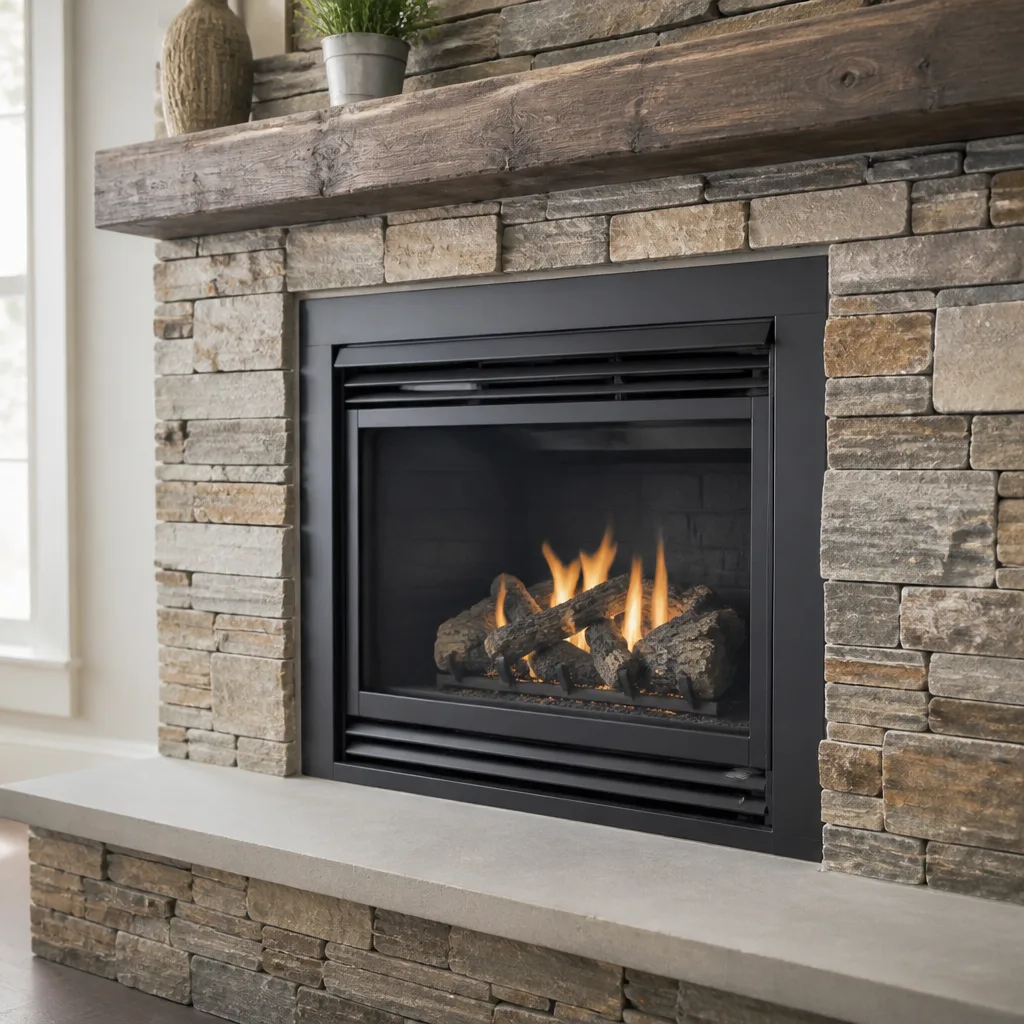 Gas fireplace service
Level 1 sweep and inspection to the NFPA 211 annual standard - flue, crown, cap, and flashing checked and photographed
Chimney sweep logs do not sweep chimneys. They loosen some creosote - which then falls where a brush and vacuum still have to collect it.
How to Hire a Chimney Cleaning Contractor in Washington Park: A Step-by-Step Guide
Most homeowners start their search for a chimney contractor by looking for a CSIA-certified sweep. That’s the right instinct, but it’s only the floor. Plenty of certified technicians still hand off every repair to crews they don’t vet, recommend materials that aren’t rated for your liner type, and leave nothing behind but a receipt. The certification gets them in the door; it doesn’t tell you what happens when the camera finds a cracked crown or a flue that’s failing. This guide walks through the specific documents to request, the questions that separate full-service specialists from cleaning-only operations, and how to read a written estimate so the line items actually mean something. Washington Park homeowners deal with a mixed market, and knowing what to ask is the difference between a real diagnosis and a brush-and-go.
Quick Answer
Hire a chimney contractor in Washington Park by requesting three things upfront: CSIA certification, a certificate of general liability insurance, and proof of workers’ compensation coverage. Then ask one direct question: does the company perform chimney repairs in-house, or does it subcontract them? A full-service chimney specialist handles sweeping, inspection, chimney cap & crown work, and fireplace repair as one job, which means the person who diagnoses your flue is the person responsible for fixing it. Cleaning-only operations and uninsured independents won’t be able to answer either question cleanly.
Styles & brands we work with
- Sweep & inspection
- Caps & crowns
- Flue relining
- Masonry repair
- Gas fireplace service
Table of Contents
- What credentials should you request from a chimney contractor?
- Why does it matter whether repairs are done in-house?
- What separates a real camera inspection from an upsell tool?
- How do you read a written chimney estimate?
- What do brand-name materials tell you about parts quality?
- What documentation should a contractor leave behind?
- What does Washington Park’s climate mean for your chimney?
- When should you book a sweep before heating season?
What credentials should you request from a chimney contractor?
Ask for three documents before anyone climbs on your roof: CSIA certification, a certificate of general liability insurance, and proof of workers’ compensation coverage. Any legitimate Washington Park chimney cleaning contractor should produce all three without hesitation. If a company stalls or says the paperwork is at the office, that’s your answer.
Here’s what each document should actually show:
- CSIA certification. The Chimney Safety Institute of America issues this credential, and it should be current and match the name of the technician who arrives. Certification number and expiration date should be legible.
- General liability insurance. The certificate of insurance should list the policyholder by the business name, show a coverage period that hasn’t lapsed, and preferably name your property or at least the address being serviced. If a chimney falls onto your roof while someone is on it, general liability covers the damage.
- Workers’ compensation. This is the document homeowners skip most often, and it matters most. If a technician is hurt on your property and the company doesn’t carry workers’ comp, your homeowners policy can become the backup. Ask for the certificate and confirm coverage is active.
We work with technicians who carry up to 12 years of experience, and in our experience the credentials check takes about five minutes when a company keeps its paperwork organized. A contractor who can’t produce it on request is telling you something about how the rest of the job will run.
Why does it matter whether repairs are done in-house?
A contractor who sweeps but subcontracts repairs creates a structural gap: the person who found the problem isn’t the person who fixes it, and no single party owns the outcome if something goes wrong. That gap is where blame gets passed between the sweep and the repair crew while the homeowner waits.
Chimney work is a chain of dependencies. A sweep reveals the condition of the flue; the inspection determines whether the liner is sound; the repair decision changes what cap and crown will fit; the finished system has to draft correctly. When two companies split that chain, the design and installation decisions happen without the context that came from the cleaning. This is most visible in older Washington Park masonry chimneys where an irregularly shaped flue needs a flexible system like DuraFlex rather than a rigid liner, or where resurfacing with HeatShield is the appropriate repair instead of full relining. A cleaning-only outfit hands off that decision to a crew that never saw the inside of the flue.
Ask this question directly: “Who does the repair work, and are they your employees or subcontractors?” Then follow up with, “What’s covered if the repair fails?” The cleanest answers come from a company that closes the loop itself. That’s the model behind our approach: a chimney sweep, an inspection, a chimney sweep follow-up, and the repair all run by the same team that gave you the estimate. We diagnose before we recommend, and the diagnosis comes from the camera, not from a catalogue.
What separates a real camera inspection from an upsell tool?
A real inspection produces a documented report with photos of the flue interior, joint by joint, that the homeowner keeps. An inspection used as an upsell tool produces a verbal recommendation for a liner replacement and no images you can review. The difference is visible in what you’re handed when the technician leaves.
Here’s how to tell them apart during the visit:
- Watch the camera screen. A professional inspection runs a video camera down the flue and lets you watch it. You should see the interior surfaces, the joints, the smoke chamber, and the top of the flue. If the technician unspools a camera but never shows you the feed, ask to see it.
- Ask for a photo report. Photos should be labeled by location within the flue, not just dumped as an image file. This matters for insurance claims and for real estate transactions, where a buyer’s inspector will flag anything the seller can’t document.
- Ask what the inspection found and what could safely wait. A good inspector will tell you plainly when a repair can be deferred and what to watch. The answer should distinguish between “this is a safety issue” and “this is cosmetic or routine.”
- Check whether inspection is offered on its own. A company confident in its inspection will sell it as a standalone service, useable for insurance, real estate, or general peace of mind. If inspection only happens as a bundle with a repair, that’s a signal.
We use camera inspection as the foundation of every job, and the report is included. Nothing gets recommended that the homeowner can’t see for themselves.
How do you read a written chimney estimate?
A useful written estimate itemizes what’s being done, what materials go in, and what’s excluded. A vague estimate uses phrases like “chimney repair” or “as needed” and gives a lump-sum number. Those phrases are red flags because they let the contractor decide scope mid-job without further discussion.
Here’s what to look for when you’re comparing estimates from two or three Washington Park chimney cleaning contractors:
- Separate line items for sweep, inspection, cap, crown, liner, and firebox repair. Each item should have its own scope and its own price.
- Named materials. “Liner system” is vague. “DuraFlex flexible liner” tells you what’s going in. “Flue resurfacing” is vague. “HeatShield resurfacing” tells you how. Named materials are warrantable materials, and they mean the parts aren’t anonymous stock.
- Scope exclusions. A professional estimate names what the job does not cover (for example, “crown replacement assumes existing masonry is sound; any rebuild found on demolition will be quoted separately”). That’s not a hedge; it’s a sign the contractor has done enough jobs to know what can come up.
- No flat-price promise without a walk-through. Chimney work is priced per job by a written estimate after inspection. A number given over the phone before anyone looks is not an estimate.
The estimate is free, and there’s no service call or diagnostic fee attached. If a company wants a trip charge to come look, that’s another signal.
What do brand-name materials tell you about parts quality?
Brand-name materials tell you that the parts going into your chimney are known, rated, and backed by a product warranty. That’s the difference between a manufacturer standing behind the components and the contractor alone. On a masonry chimney in Washington Park, the parts that matter most often are the cap and the crown, because they’re the chimney’s first line of defense against water.
Here’s what to watch for when you’re evaluating what a contractor proposes to install:
- Caps. A cap keeps rain, snow, ice, and animals out of the flue. Gelco caps are on the professional roster we use, and a cap isn’t a decorative accessory; it’s the primary entry point for water damage in a masonry chimney when it’s missing or cracked.
- Crowns. The crown is the concrete cap on top of the masonry chase. A cracked crown is the leading cause of chimney water damage, and the fix has to be sized and supported properly, not just patched with caulk.
- Liner systems. DuraFlex flexible liner systems are rated for the kind of irregular, older flues common in masonry chimneys around Washington Park. Rigid systems don’t always conform; flexible does.
- Resurfacing. HeatShield resurfacing can restore your flue without a full liner replacement in cases where the flue structure is sound and only the interior surface is failing. It’s a non-destructive repair alternative, and it’s a capability many single-service sweeps don’t offer.
- Ventilation and components. Olympia Chimney and Famco ventilation products are on the professional roster we work with, and they show up in cap and vent terminations rather than in generic stock.
The floor is a technician certified by the CSIA. The ceiling is a company that uses named, warrantable materials and can show you what those materials are rated for.
What documentation should a contractor leave behind?
A professional chimney contractor leaves you with three things after a service visit: a written inspection report with photos, a copy of the estimate for any recommended work, and a service record showing the date and type of work performed. Keep all three. They’re the documents you’ll reach for at the worst possible time.
Here’s why documentation matters beyond the moment of service:
- Insurance claims. If a chimney fire or water damage claim ever gets filed, the inspector or adjuster will want to see a history of service. A photo report showing the flue’s condition at the time of the last sweep is the strongest evidence a homeowner can produce.
- Real estate transactions. Buyers’ inspectors flag chimney issues, and a seller who can produce a recent inspection report with photos closes the conversation faster than one who can’t.
- Recurring problems. If draft problems, smoky fireplaces, or water intrusion come back, the photo history shows exactly what was seen and when.
- Warranty claims on parts. A cap, crown, or liner with a brand warranty needs a record of installation. That’s why the materials matter and why the paperwork matters with them.
The inspection is a standalone service, and the report is included at no extra cost. If you’re booking a Washington Park chimney sweep, ask whether the inspection and report come with it. A cleaning-only outfit will tell you inspection is a separate add-on; a full-service specialist treats the inspection as the reason the sweep exists.
What does Washington Park’s climate mean for your chimney?
Washington Park sits at the edge of the Front Range, and that means the chimney sees real seasonal swings: warm days, cold nights, snow and ice in winter, and long dry stretches in summer and fall. Every one of those swings stresses masonry, and the pressure points are the cap, the crown, and the mortar joints.
Here’s how that plays out in practice:
- Freeze-thaw cycles. Water gets into a hairline crack in the crown, freezes overnight, expands, and opens the crack a little more. Repeat that across a winter and a small crack becomes a repair. If you have a cracked or missing crown, fixing it before the first hard freeze matters more than fixing it after.
- Wind-driven snow. A missing or damaged cap lets snow into the flue, which can slow the start of a fire or cause draft problems. Gelco caps are the ones we’d specify for this job.
- Dry fall months. Creosote buildup in the flue is a year-round concern for wood-burning fireplaces, and the time to deal with it is before it gets used, not after. Fall is when Washington Park homeowners book most of their annual sweeps.
- Hail and wind. Both take a toll on caps and crowns, and both are common here. An annual look at the top of the chimney catches damage before it becomes a leak.
Spring and early summer are the calmest times to book repair work; fall is when everyone else does it. If your chimney is showing visible damage, we’d rather see it now than after the first heavy snow.
When should you book a sweep before heating season?
Book before the first fire of the season, not after. That means late summer or early fall for a wood-burning fireplace, and it means asking whether a camera inspection is included so the sweep covers safety as well as cleaning.
A sensible sequence for Washington Park homeowners:
- Ask for the certification and insurance documents. Take five minutes on the front end to confirm CSIA certification and active general liability and workers’ comp coverage.
- Ask whether repairs are done in-house. Confirm the company closes the loop from sweep through structural repair. If it doesn’t, ask who does and how they’re vetted.
- Book the sweep and the inspection together. The sweep is the cleaning; the inspection is the diagnosis. Both are part of a complete annual service.
- Review the photo report and the estimate. Any recommended work should be itemized in writing with named materials and a clear scope.
- Schedule repairs that are genuinely urgent. Caps and crowns come first, because they’re the entry point for water damage. Liner and flue repairs come next, and resurfacing like HeatShield can sometimes defer or avoid a full reline.
- Book the next sweep before winter starts. A yearly rhythm keeps the chimney on schedule and the documentation current.
If you’re selling a home, the sequence is the same but the timing is compressed. Ask for a standalone inspection with a photo report before the buyer’s inspector gets there. It gives you something to hand over and a real basis for negotiating any repair request.
Common Mistakes to Avoid
- Hiring on certification alone. CSIA certification proves the technician has been trained. It doesn’t tell you who does the repair work, what materials they’ll use, or whether they carry insurance. Ask all three.
- Skipping the workers’ comp question. Homeowners almost always ask about liability insurance and almost never ask about workers’ comp. Both matter, and the workers’ comp piece is the one that affects your homeowners policy if a technician is injured on your property.
- Accepting a verbal recommendation for a liner replacement. If the camera went into the flue and you never saw the feed, ask to see it. A liner is a significant repair, and no one should recommend one without showing you why.
- Chasing a cheap phone quote. A number given over the phone before anyone looks at the chimney isn’t an estimate; it’s a number. Chimney work is priced per job by a written estimate after inspection, and the written estimate is what sets the final price.
- Ignoring the crown. A cracked or missing crown is the leading cause of chimney water damage, and it’s often invisible from the ground. Have it looked at once a year, and fix it before winter rather than after.
- Throwing away the inspection report. The written report and photos are what you need for an insurance claim or a resale. File them with your home records as soon as the technician leaves.
- Booking too late in the fall. Washington Park schedules fill up as the heating season approaches. If your fireplace is going to be used this winter, book the sweep before the first cold snap, not after the first smoke-back.
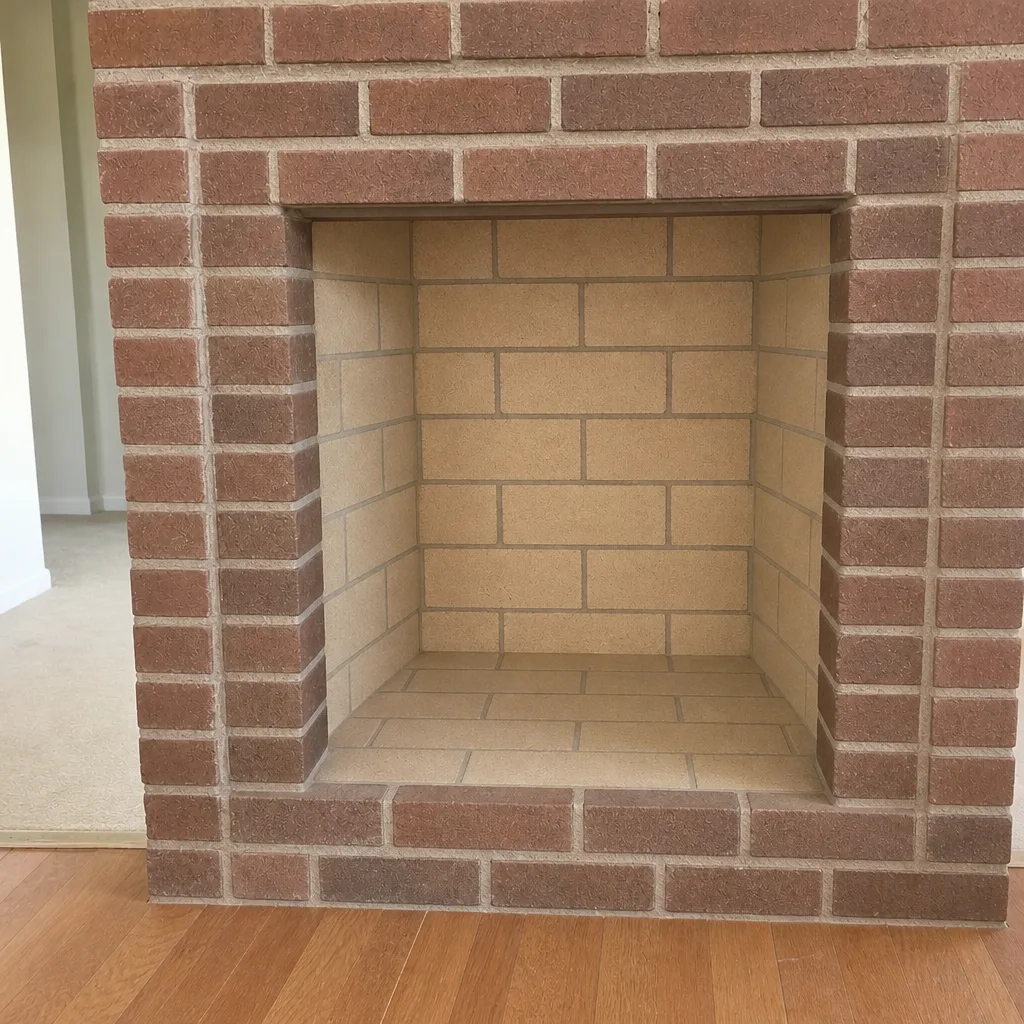
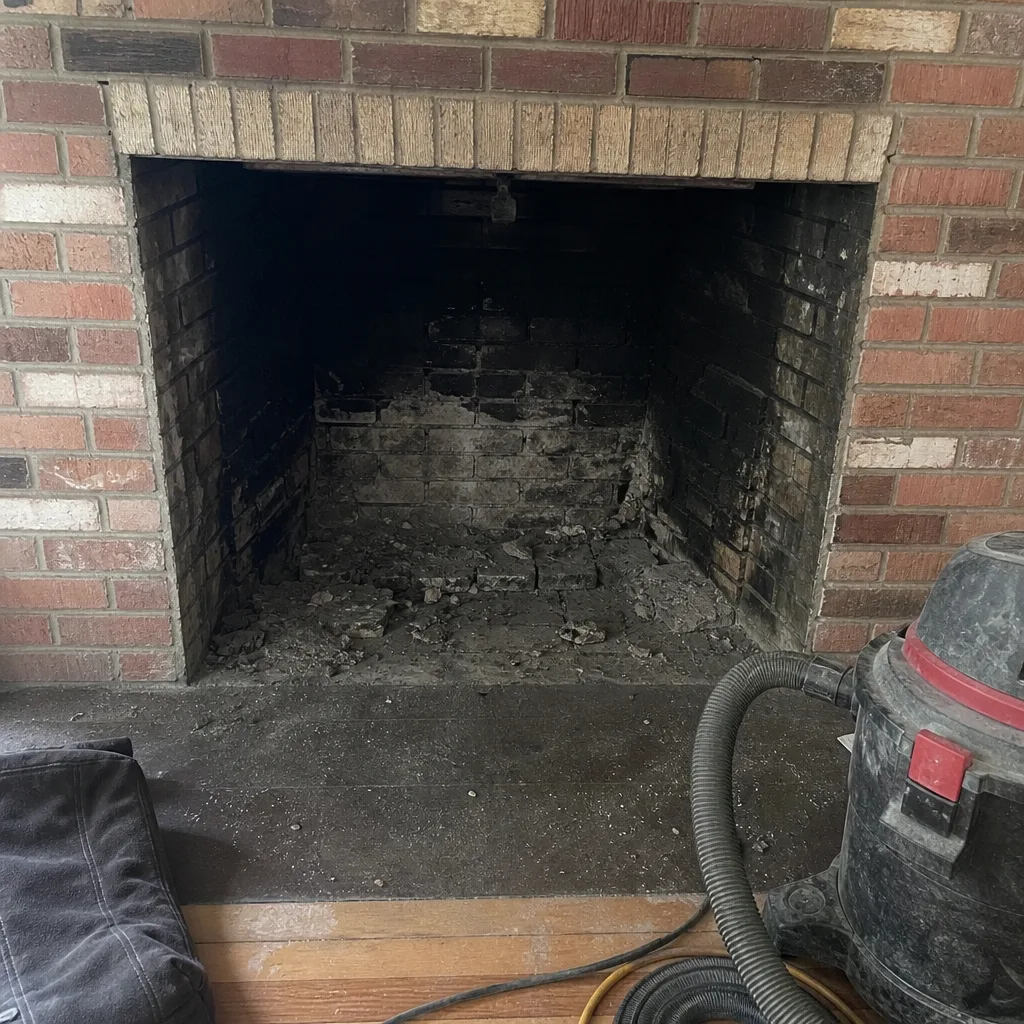
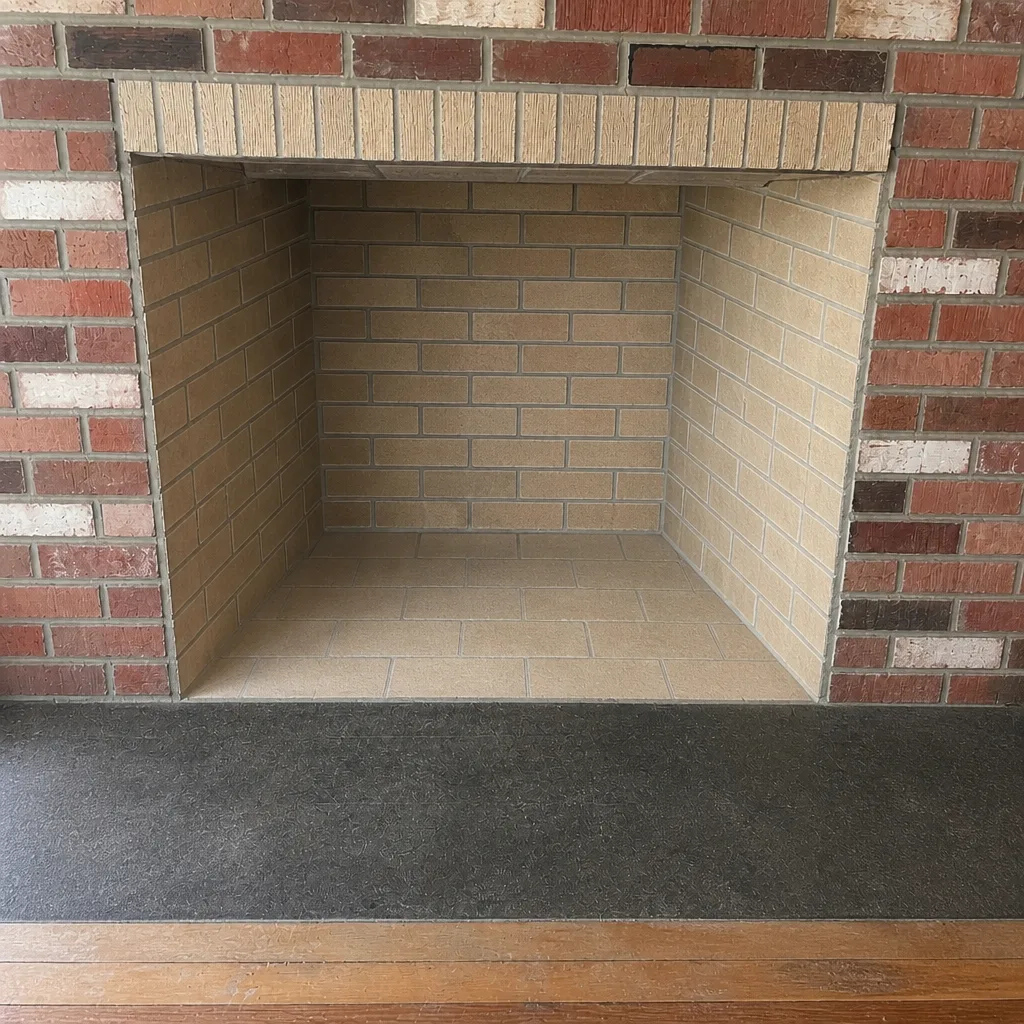
See the difference
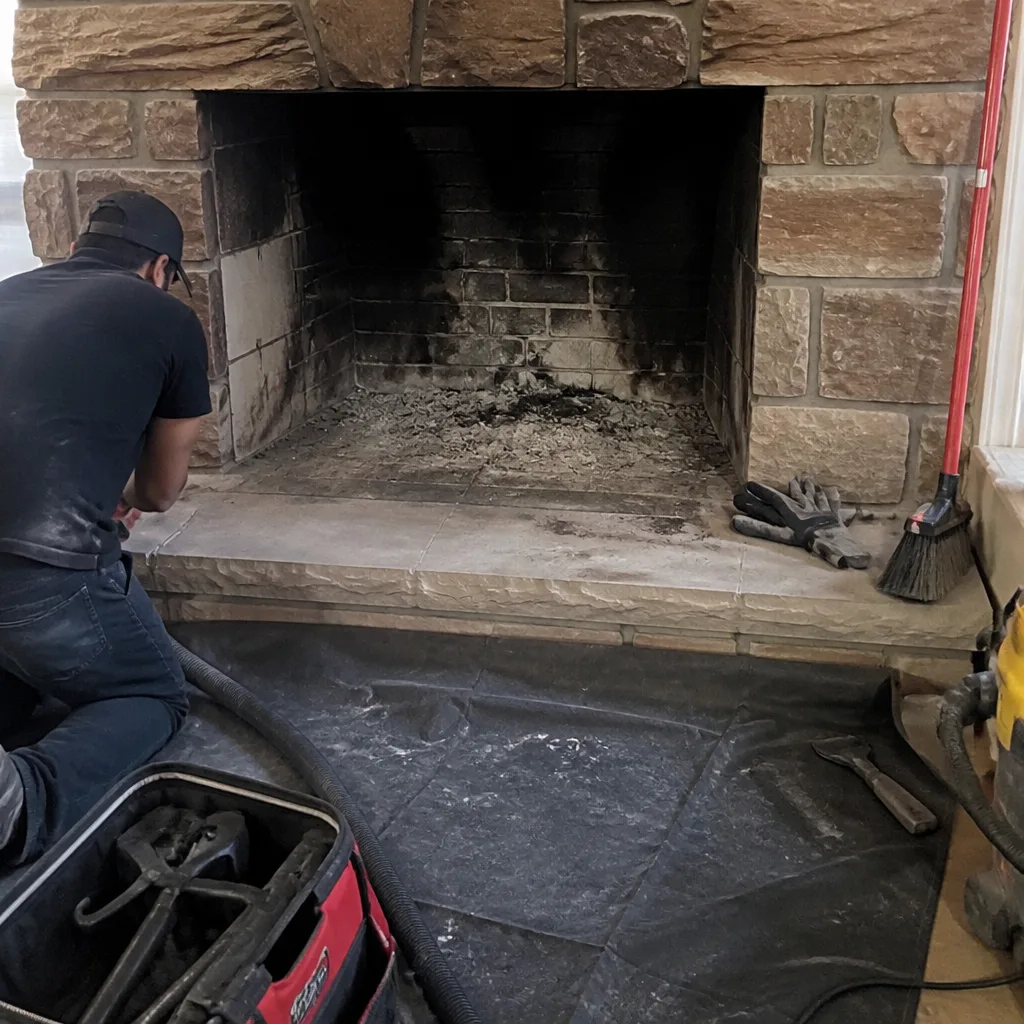 Before
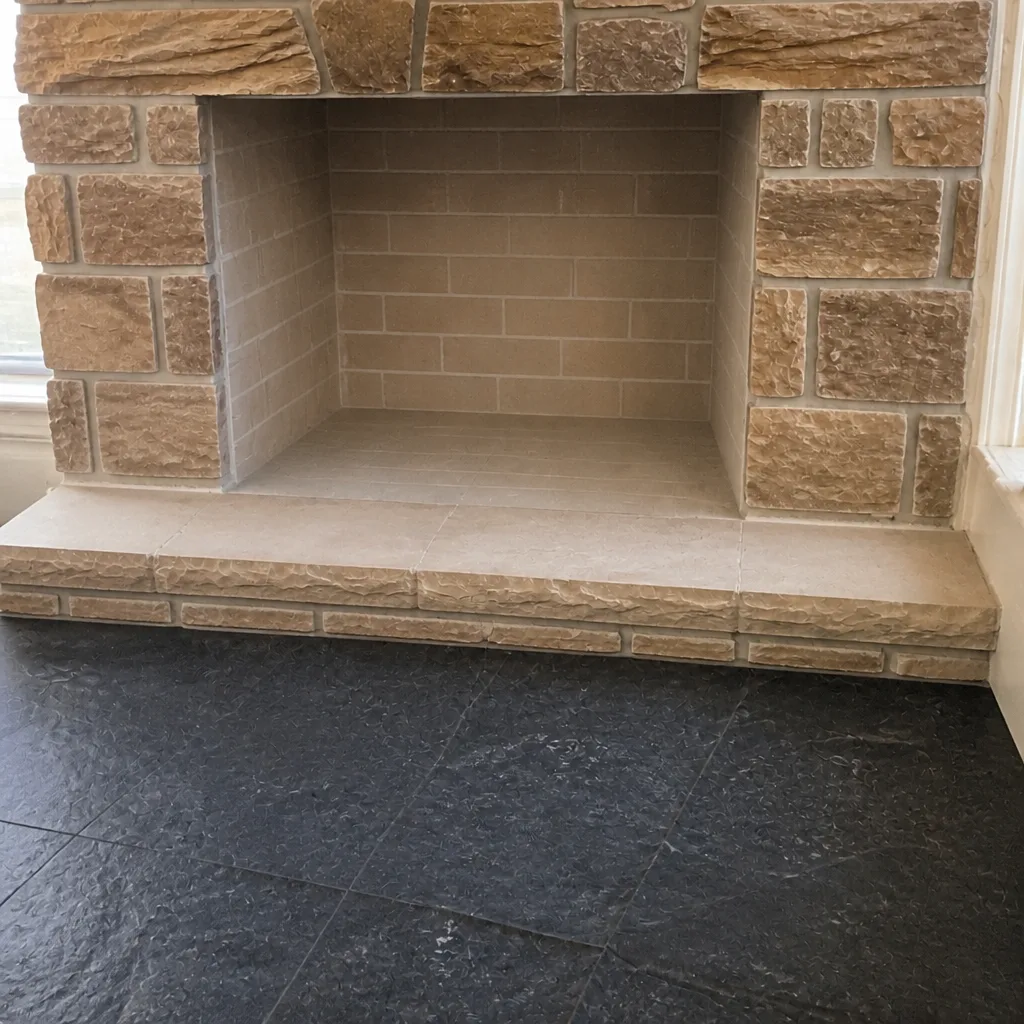 After
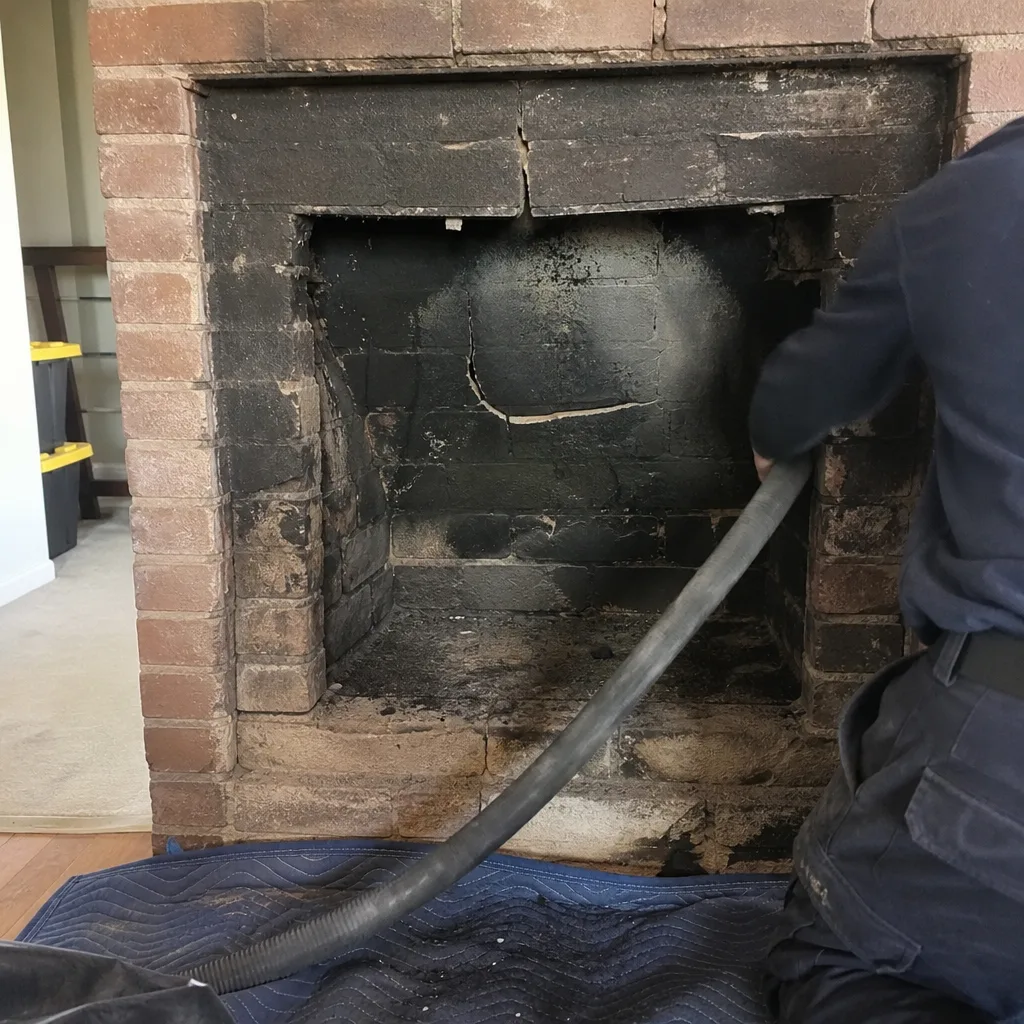 Before
 After
 Before
 After
When to Call a Professional
Call a professional for anything involving the flue, the firebox, or the top of the chimney. That includes an annual sweep before heating season, any camera inspection, any visible damage to the cap or crown, any repair to the liner or the flue interior, and any fireplace repair involving the damper, firebox, or hearth. If you see crumbling mortar on the chimney chase, smoke coming back into the room instead of up the flue, or a fire that’s getting harder to start than it used to be, those are the moments to book an inspection rather than wait. And the work is genuinely dangerous at height. Get a trained technician for the roof work and the flue, and don’t try to inspect or repair a chimney yourself. We handle chimney sweep Washington Park services and the repair work that follows from the inspection, and estimates are free. Chimney Sweep Washington Park offers free estimates in Washington Park – call (833) 482-5684. We answer 24/7. Fast dispatch, 7am-7pm.
Frequently Asked Questions
A chimney sweep in Washington Park typically runs in a modest range relative to other home maintenance, and the final price is set by a written estimate after the technician sees the flue. The estimate is free, and there’s no trip charge or diagnostic fee. Call (833) 482-5684 for an exact quote – estimates are free.
Not always. In some cases a flue that’s failing internally can be restored with HeatShield resurfacing rather than a full liner replacement, which is a less invasive and less expensive repair. The only way to know is a camera inspection that shows the interior condition of the flue. Nothing should be recommended that you can’t see in the photo report. Call (833) 482-5684 for an exact quote – estimates are free.
Once a year for most wood-burning fireplaces, and the annual sweep should come with a camera inspection. Gas fireplaces need less frequent sweeping but still benefit from an annual inspection, because the venting and cap are still exposed to weather. Call (833) 482-5684 to book the sweep before heating season – estimates are free.
Creosote builds up inside the flue with each fire, and a thick enough deposit can ignite, which is the cause of most chimney fires. A blocked or damaged flue can also cause carbon monoxide to back up into the house. Skipping the annual sweep doesn’t mean a fire will happen, but it means you have no current information about the condition of the flue. Call (833) 482-5684 for an exact quote – estimates are free.
CSIA certification is the standard credential to look for, and it should be the first thing you check. The certification should be current and match the technician who arrives. It’s also worth asking whether the company carries general liability insurance and workers’ compensation, and whether repairs are done by the same company or subcontracted. A certified sweep who subcontracts every repair still leaves a gap.
Yes. Chimney Sweep Washington Park offers inspection as a standalone service, and the photo report is included. It’s the right booking if you’re following up on a home inspector’s flag, preparing to sell, or handling an insurance matter. Call (833) 482-5684 to schedule an inspection – estimates are free.
The Bottom Line
Hiring a chimney contractor in Washington Park comes down to three checks and one question. Check CSIA certification, general liability insurance, and workers’ comp. Then ask whether the company does its own repair work or subcontracts it, because that answer tells you who owns the outcome when the camera finds something. From there, insist on a photo report you keep, a written estimate that itemizes materials by name, and a repair scope that’s specific enough to compare. Named materials like DuraFlex, HeatShield, and Gelco are worth asking for because they’re warrantable parts, not anonymous stock. If a recommendation can’t be shown in the camera footage, it can wait. If it can, get it fixed before winter.
Written by the team at Chimney Sweep Washington Park.