
Last updated November 24, 2026
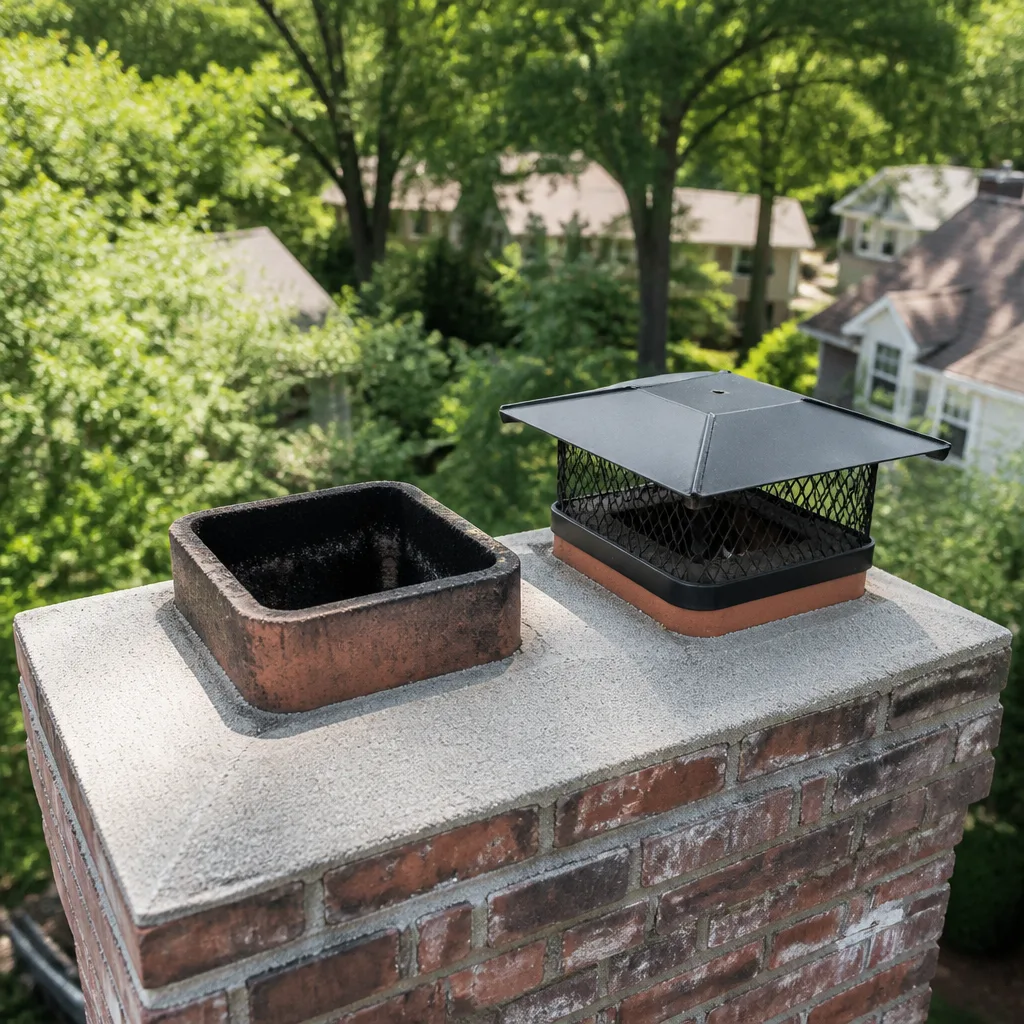 Sweep & inspection
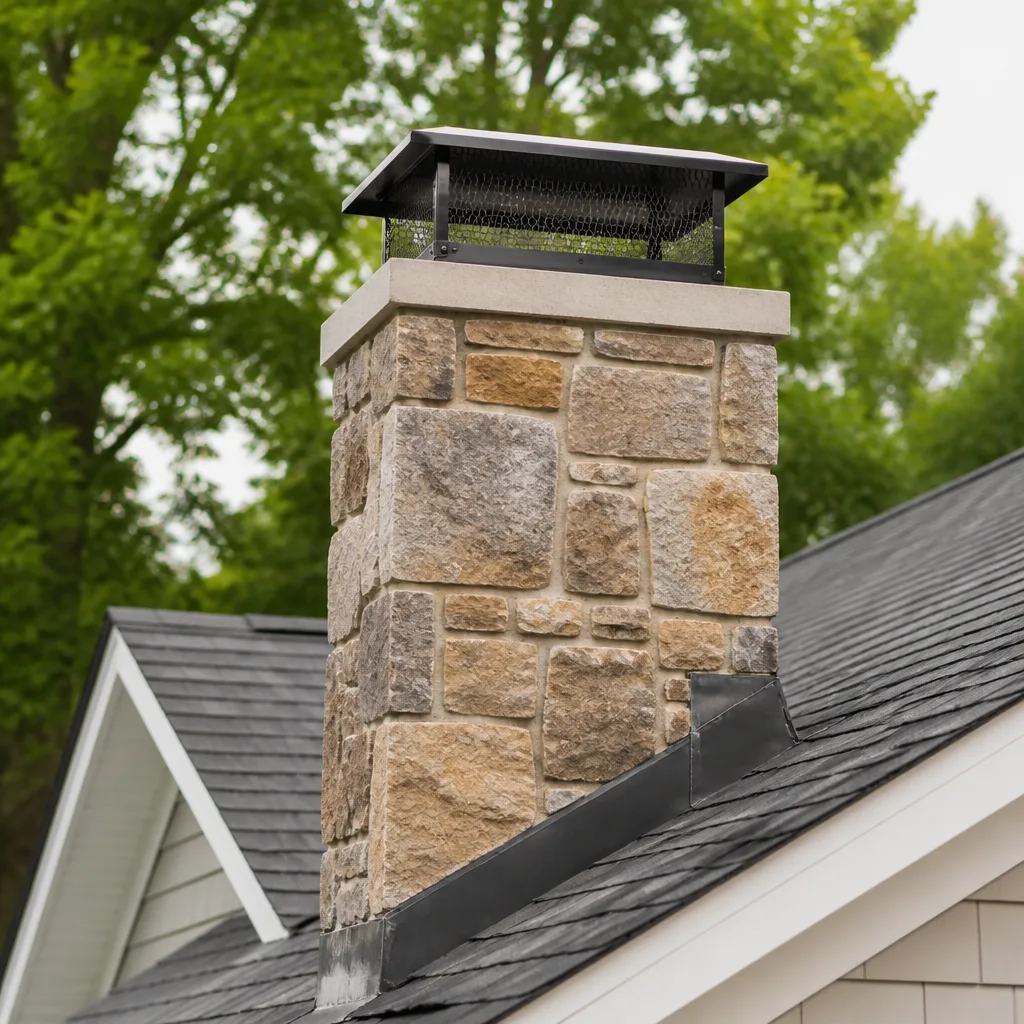 Caps & crowns
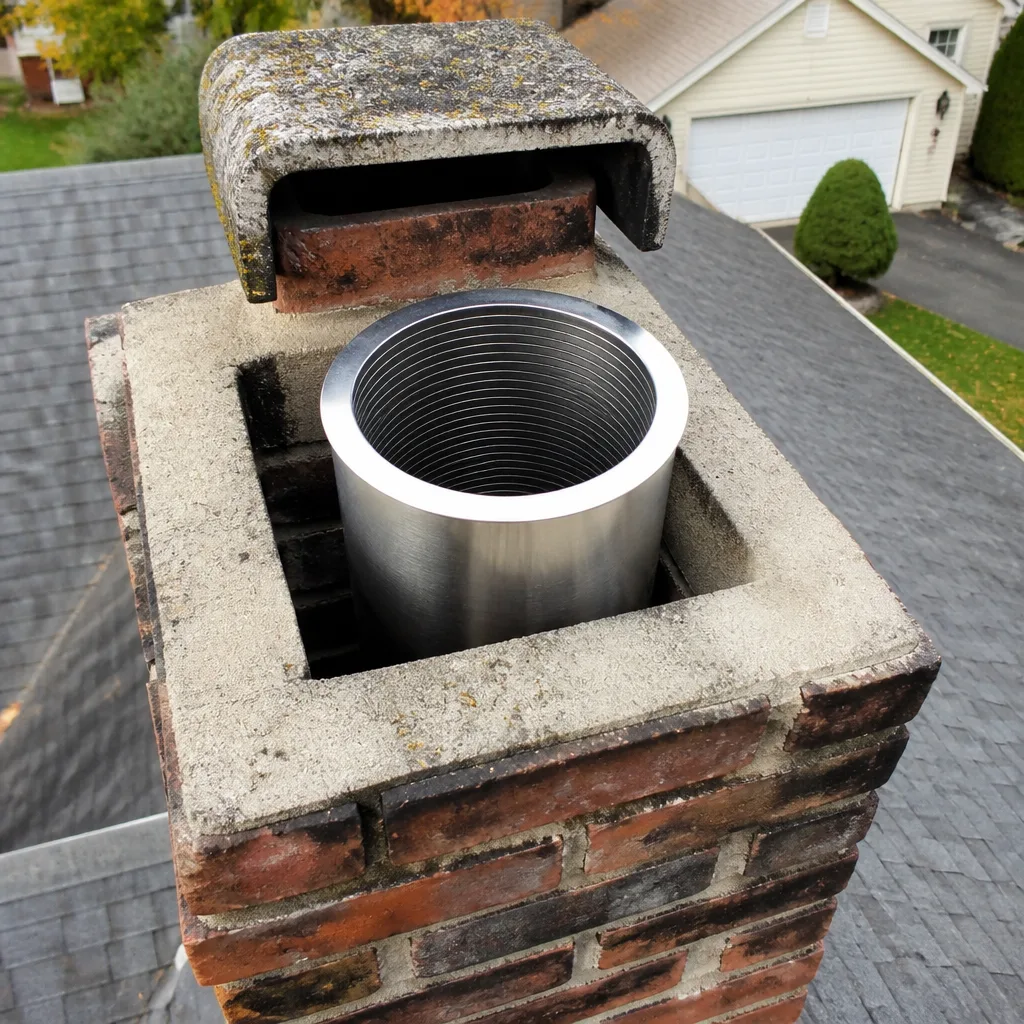 Flue relining
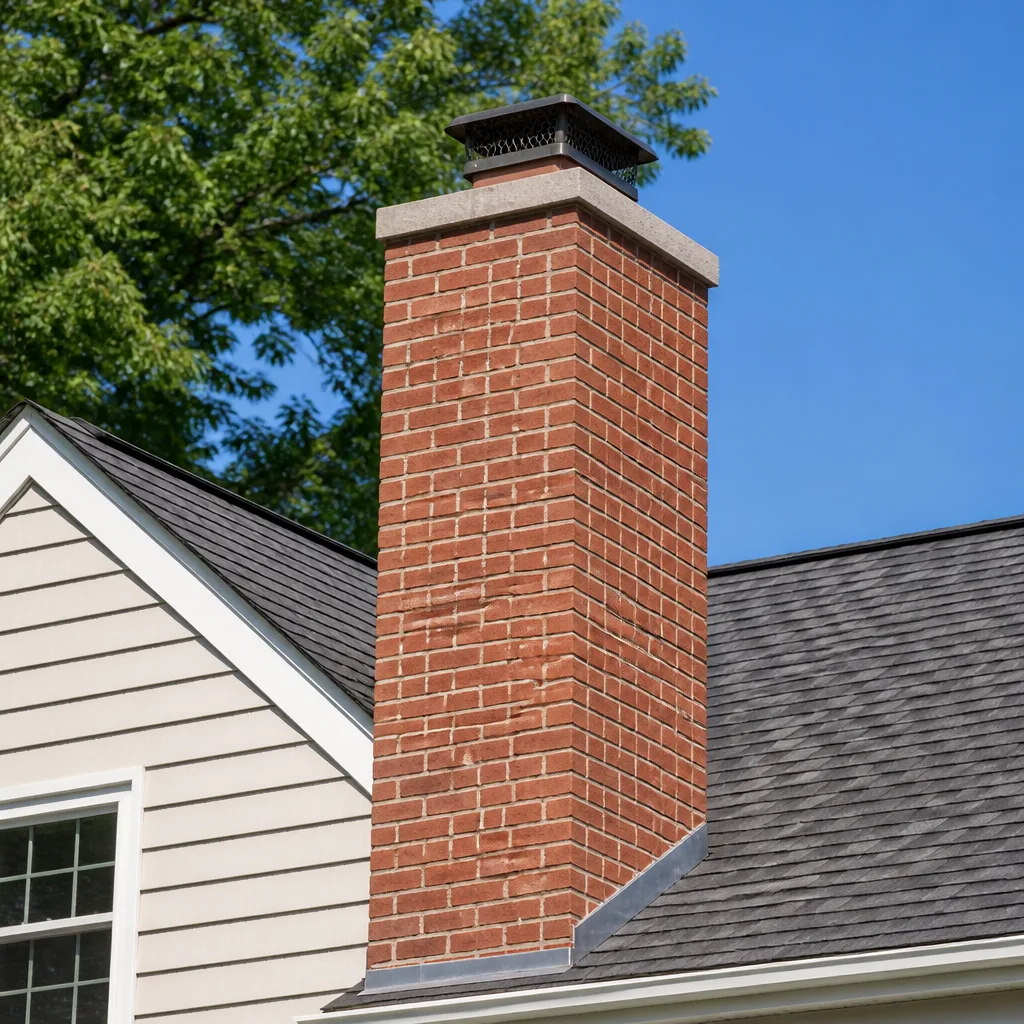 Masonry repair
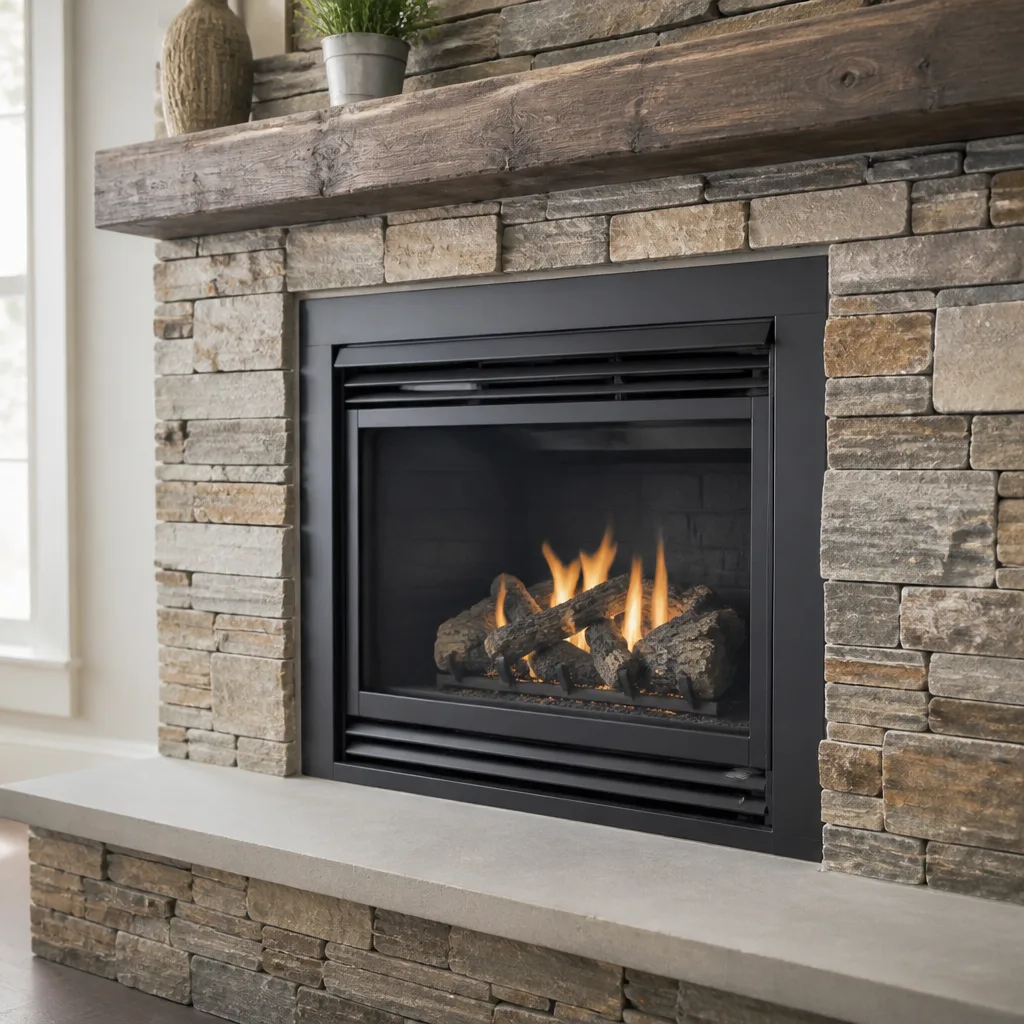 Gas fireplace service
Level 1 sweep and inspection to the NFPA 211 annual standard - flue, crown, cap, and flashing checked and photographed
Chimney sweep logs do not sweep chimneys. They loosen some creosote - which then falls where a brush and vacuum still have to collect it.
Chimney Cleaning Permits, Codes & Inspections in Washington Park, CO: What You Need to Know
The most common misconception we run into is that all chimney work falls under the same rules. It doesn’t. A routine sweep is maintenance, and nobody needs a permit to brush a flue. But the moment the job becomes a repair, a reline, or a rebuilt crown, you’ve crossed into permitted territory in most Denver metro jurisdictions, including the ones that cover Washington Park. That line matters more than most homeowners realize, and it usually surfaces at the worst possible time: a home sale, an insurance claim, or an inspection report that flags work nobody documented. This guide lays out where cleaning ends and permitting begins, how NFPA 211 and the International Residential Code apply locally, and what paperwork to keep. If you live in Washington Park and you’re about to approve repair work on a chimney, this is the piece to read first.
Quick Answer
Routine chimney cleaning in Washington Park, CO does not require a permit. Repair and alteration work does – liner replacement, firebox rebuilding, crown reconstruction, and any change to the chimney’s structure typically require a permit from the local building authority, and the work should be inspected afterward. NFPA 211 sets the national standard for chimneys, and the International Residential Code Chapter 10 governs their construction; Denver metro jurisdictions adopt and amend both, so the exact trigger point depends on your city. Always confirm with your local building department before work begins.
Styles & brands we work with
- Sweep & inspection
- Caps & crowns
- Flue relining
- Masonry repair
- Gas fireplace service
Table of Contents
- Cleaning vs. Repair: Where the Permit Line Actually Sits
- How NFPA 211 and IRC Chapter 10 Apply to Your Washington Park Chimney
- What a Level 2 Inspection Triggers
- How to Verify Your Contractor Is Pulling Permits
- Resale and Insurance: The Paper Trail Buyers and Lenders Want
- Why Washington Park Housing Stock Makes This Matter More
- The Three Levels of Chimney Inspection, Explained
- What Documentation to Keep After Any Chimney Job
Cleaning vs. Repair: Where the Permit Line Actually Sits
Sweeping a chimney is maintenance. Nobody needs a permit to run a brush through a flue, and no inspection is triggered by a clean-and-check appointment. That’s the straightforward part. The confusion starts when a sweep finds something that needs fixing, because the permit question depends entirely on what gets fixed and how.
Here’s how the work generally breaks down:
- Routine cleaning and inspection – no permit. This covers brushing the flue, removing creosote, and a visual or camera inspection.
- Cap replacement – often no permit when it’s a like-for-like swap on an existing chase. Local rules vary, so ask.
- Liner replacement – typically permitted. Installing a new liner is an alteration to the venting system.
- Firebox or damper rebuilding – typically permitted. You’re altering a component of the appliance system.
- Crown reconstruction and masonry repair – typically permitted. Structural work on the chimney itself falls under building code.
- Changing fuel type or appliance – almost always permitted. A new insert, a new stove, or a conversion from wood to gas changes the venting requirements.
In our experience, the threshold most homeowners miss is the liner. A liner replacement is the single most common permitted chimney job, and it’s also the one most often done without paperwork by companies that treat it as a cleaning upsell. If a technician tells you your liner is shot and can replace it on the spot with no mention of a permit, that’s your signal to ask questions.
We diagnose before we recommend, and that includes being clear about what triggers a permit in your jurisdiction. A chimney sweep visit should end with a written assessment, not a verbal list of problems. When the assessment points to repair work, the next step is confirming what your city requires.
How NFPA 211 and IRC Chapter 10 Apply to Your Washington Park Chimney
Two documents govern chimney work in most of the country. NFPA 211 is the national standard for chimneys, fireplaces, vents, and solid fuel-burning appliances. The International Residential Code, specifically Chapter 10, sets the construction requirements adopted by most jurisdictions. Colorado cities typically adopt the IRC with local amendments, which is why the rules aren’t identical from one Denver metro jurisdiction to the next.
What that means for a homeowner in Washington Park is simpler than the acronym soup suggests:
- NFPA 211 defines what a safe chimney looks like and how it should be inspected and maintained. It’s the professional standard your sweep should be working to.
- IRC Chapter 10 defines how a chimney must be built and altered. It’s the code your building department enforces.
- Local amendments modify both. Denver and Jefferson County jurisdictions have adopted versions with their own provisions, and the exact language changes over time.
The practical upshot: a repair that was acceptable when your chimney was built may not meet the current code when it’s replaced. That’s not a reason to panic. It’s a reason to have the work permitted, because a permitted job gets reviewed against today’s requirements, and an unpermitted one quietly inherits whatever was acceptable decades ago.
We see the gap most often on liner work. A flexible liner system like DuraFlex is designed to bring an older, irregularly shaped flue into compliance, and HeatShield resurfacing can restore a flue without a full liner tear-out. Both are legitimate repairs done to a recognized standard. Neither substitutes for the permit if your jurisdiction requires one, and a contractor who knows the code will tell you which side of the line your job falls on.
What a Level 2 Inspection Triggers
A Level 2 inspection is required when the conditions of use change, when a property changes hands, or after a chimney fire or other event that could have damaged the flue. That last trigger is the one that creates documentation obligations, because a Level 2 inspection produces findings, and findings often lead to work, and work often leads to permits.
When a Level 2 inspection is performed, here’s the sequence that follows:
- The inspection is documented. A proper Level 2 includes examination of accessible portions of the flue, attic, and crawl space, usually with a camera. The findings should be written down, with photos where possible.
- Findings are categorized as deficits. Anything that fails the standard gets flagged. Some findings are cosmetic, some are safety-related, and the difference matters.
- Repair work is scoped against the findings. If the inspection identifies a failed liner, a cracked crown, or gaps in the firebox, the repair scope grows, and that’s the point where a permit usually becomes necessary.
- The permit is pulled before the work begins. Not after. A permit taken out mid-job or skipped entirely creates the exact documentation gap we describe in the resale section below.
- The work is inspected. The local building authority reviews the permitted work and the job is signed off.
Here’s where the intersection with local code gets specific. A Level 2 inspection is a professional standard under NFPA 211, not a permit requirement in itself. But the moment the inspection reveals work that needs doing, and that work falls under IRC Chapter 10 in your jurisdiction, the permit process kicks in. The inspection is what puts the paperwork in motion.
Homeowners in Washington Park preparing for heating season should know that a standalone inspection is worth having for its own sake. It gives you documentation you can use for insurance, a real estate transaction, or simply the knowledge that your flue is sound. See our Chimney Sweep Washington Park page for how we structure inspection appointments. And if the inspection turns up fireplace-level problems rather than flue-level ones, our fireplace repair work covers the firebox, damper, and hearth components beyond the flue.
How to Verify Your Contractor Is Pulling Permits
You cannot take a contractor’s word for it. The single most effective way to verify a permit is to look it up yourself, and in most Denver metro jurisdictions the process is straightforward. Here’s a sequence that works anywhere in the metro:
- Ask directly and in writing. The question is not “do you handle permits” but “will you be pulling a permit for this specific job, and under whose name?” Get it in the estimate.
- Ask who holds the permit. Permits are typically pulled by the contractor performing the work. If the answer is vague, that’s a flag.
- Look up the permit. Most city and county building departments have an online permit search. You’ll need the address and usually a permit number or date range. If your contractor can’t give you a permit number before work starts, the permit isn’t in place.
- Confirm the inspection happened. A permit isn’t complete until the work is inspected and signed off. Ask for the final inspection result.
- Keep the paperwork. The permit and the final inspection record belong in your home file.
Two things to watch for. First, a contractor who tells you permits are “not needed for this” without checking your jurisdiction’s current rules. Second, a contractor who pulls the permit but never mentions the inspection. The inspection is where the code enforcement actually happens, and skipping it turns a permitted job into a half-permitted one.
One more verification step worth mentioning: ask whether the contractor can document the materials used. Working with named, warrantable materials, not generic stock, means the product has its own documentation and warranty. On a recent reline or resurfacing job, that documentation complements the permit record nicely, because it tells the next inspector, appraiser, or buyer exactly what was installed.
Resale and Insurance: The Paper Trail Buyers and Lenders Want
A chimney repair that was done without a permit doesn’t announce itself. It sits in the structure until someone starts asking for records. And in a home sale, the question comes up in a fairly predictable order.
During a home inspection, the inspector assesses the chimney the same way they assess everything else, and findings can lead to a request for documentation. The buyer’s agent or the buyer’s inspector may ask for evidence the chimney was serviced, repaired, or relined. A permit and final inspection record answers that question cleanly. An absence of records leaves it open.
Lenders and insurers take a slightly different view. An insurer underwriting a wood-burning chimney may ask for proof that the system was maintained or serviced. If a chimney fire occurs on an unpermitted, uninspected installation, the insurer has grounds to argue the installation was never verified, and a claim can become contested. That’s the specific risk we outline in the opening, and while we can’t predict any individual insurer’s behavior, the safest position is always the documented one.
What buyers and lenders typically want to see:
- A permit record for any repair or alteration to the chimney system
- The final inspection sign-off for that work
- A recent inspection report documenting the current condition of the flue and appliance
- Documentation of the materials used, including product specifications where available
We offer chimney inspection as a standalone service precisely because so many homeowners need documentation, not work. If you’re preparing to list a Washington Park home, or you’ve just bought one and inherited a chimney with no record, an inspection is the fastest way to establish the baseline. Our chimney cap & crown service also produces photos and written findings on the parts of the chimney most likely to raise questions at resale, because a cracked crown is the leading entry point for water damage and water damage leaves visible evidence.
Why Washington Park Housing Stock Makes This Matter More
Washington Park is a neighborhood of older homes mixed with newer construction around the park itself. The older homes often have original or heavily altered chimney systems where compliance depends entirely on what was changed and when. That’s not a comment on any individual house – it’s the general reality of taking an old masonry chimney through a century of heating changes.
Vintage masonry and undocumented changes
Chimneys from older construction were often built to a code standard that has since been revised. When a liner or crown needs replacement today, a permitted repair brings it up to current requirements. An unpermitted one leaves it at whatever standard was current when someone last worked on it. In a Washington Park home with an active fireplace, that distinction matters both for safety and for the record.
Irregular flues want flexible solutions
Older chimneys don’t always have clean, square, straight flues. That’s a real constraint on repair, because rigid liner systems often won’t fit a flue with offsets or irregular shape. DuraFlex flexible liners are made for exactly this situation. When a contractor shows up with a rigid-liner-only solution and no permit conversation, ask how they intend to handle an offset flue, because the answer reveals how much of this they’ve actually done.
Denver metro jurisdiction
Washington Park falls under a Denver metro jurisdiction, which means its permit rules follow the adopted IRC with local amendments. We can’t state the exact permit threshold for every type of work in every jurisdiction without confirming it against the current adopted code, and neither should anyone else. The right move is to ask your building department directly, then have your contractor pull the permit in their own name if one is required. That way the record attaches to the job and to the address, not to a verbal promise.
The climate matters too. Denver’s cold winters mean the freeze-thaw cycle works on masonry chimneys through the heating season. A crown with a crack lets meltwater in, the water freezes, and the damage expands. A cap and crown inspection is a low-cost check that prevents a much larger repair. We install Gelco caps and crowns because they’re a recognized product line with documentation, and a documented repair is what you want when the question comes up at resale.
The Three Levels of Chimney Inspection, Explained
NFPA 211 defines three levels of inspection, and knowing which one applies to your situation determines what gets checked and what gets documented.
Level 1
A visual inspection of readily accessible portions of the chimney and connected appliance. It’s the standard check at a routine sweep and is appropriate when the appliance and fuel type haven’t changed. It covers the firebox, the flue as far as can be seen, the damper, and the cap.
Level 2
A more thorough inspection triggered by a property change, a change in fuel or appliance, or an event that could have caused damage. It covers accessible portions of the attic and crawl space, and the flue is typically examined with a camera. This is the level most often required during a real estate transaction, and it’s the level that produces documentation a lender or insurer can rely on.
Level 3
A Level 3 is diagnostic and involves opening up portions of the structure, usually when a Level 1 or Level 2 identifies a serious problem that can’t be assessed without access. It’s the least common and the most involved. If a Level 2 raises a question about hidden damage, a Level 3 is what answers it.
The level you need isn’t something you should have to guess. In our experience, the difference between a Level 1 and a Level 2 is the difference between “your chimney was cleaned” and “your chimney was documented.” When we quote an inspection, we tell you which level applies and why, and if the answer is Level 1, we say that plainly.
What Documentation to Keep After Any Chimney Job
The file you keep is the file that answers every future question. Here’s what a chimney job should leave you with:
- Inspection report – written findings from the level performed, with photos of anything flagged
- Estimate and scope of work – what was proposed, what was authorized, and what it would cost
- Permit number and final inspection result – if a permit was required for the work
- Materials documentation – the product lines used, whether that’s a DuraFlex liner, a Gelco cap, an Olympia Chimney component, or a Famco vent product, each with its product documentation and warranty
- Photos of the finished work – particularly for anything that will be hidden afterward, like a liner installation or a rebuilt crown
If you’re considering a repair and want to know whether it requires a permit, the most reliable path is to ask your local building department and ask us in the same week. Our estimates are free, and we’ll tell you what we’d recommend and what the paperwork looks like. Call (833) 482-5684. We answer 24/7, with fast dispatch from 7am to 7pm, Sunday through Friday.
Common Mistakes to Avoid
- Assuming the sweep handles permits. Sweeping doesn’t require a permit, so a cleaning-focused contractor may never have pulled one. Before approving a repair, ask who’s pulling the permit and under whose name – don’t assume it’s covered.
- Skipping the inspection after the permit. A permit without a final inspection is a half-finished record. Confirm the inspection happened and keep the sign-off, especially on liner work.
- Replacing a liner on an unpermitted basis. A reline without a permit may be a code violation and leaves the installation unverified if an insurance question arises. Get the permit and the inspection.
- Trusting a rigid-liner-only solution on an older flue. Older Washington Park chimneys may have offset or irregular flues, and rigid systems can fail to seat properly. Ask how the contractor intends to handle the shape of your flue.
- Overlooking the crown on the way out from a cleaning. A cracked or missing crown is the leading cause of chimney water damage. Have it inspected while the sweep is up there, not after the damage appears.
- Throwing away the inspection report. The report is your documentation at resale, for insurance, and for the next contractor. Keep it with the permit and materials paperwork.
- Calling a brush-out a full service. A clean flue with a cracked crown is not a serviced chimney. Ask what was actually inspected, not just what was swept.
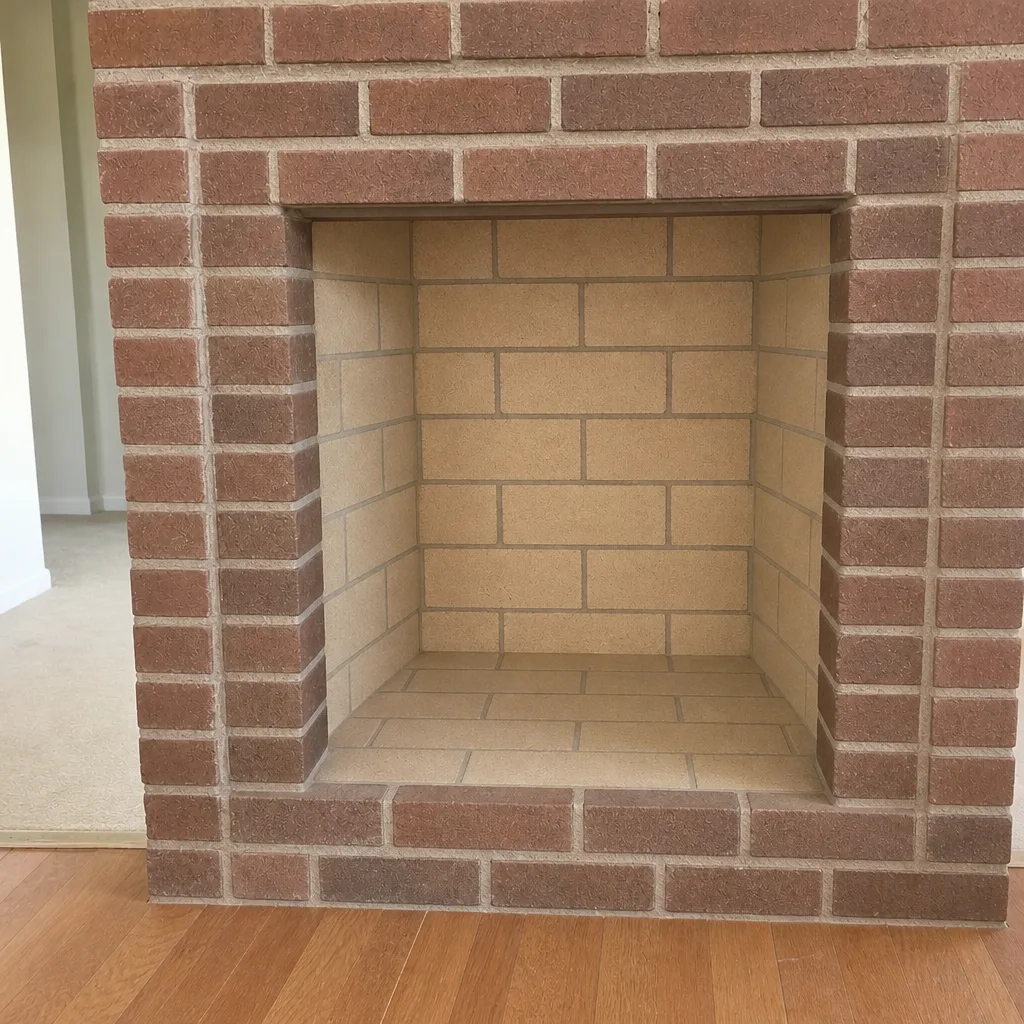
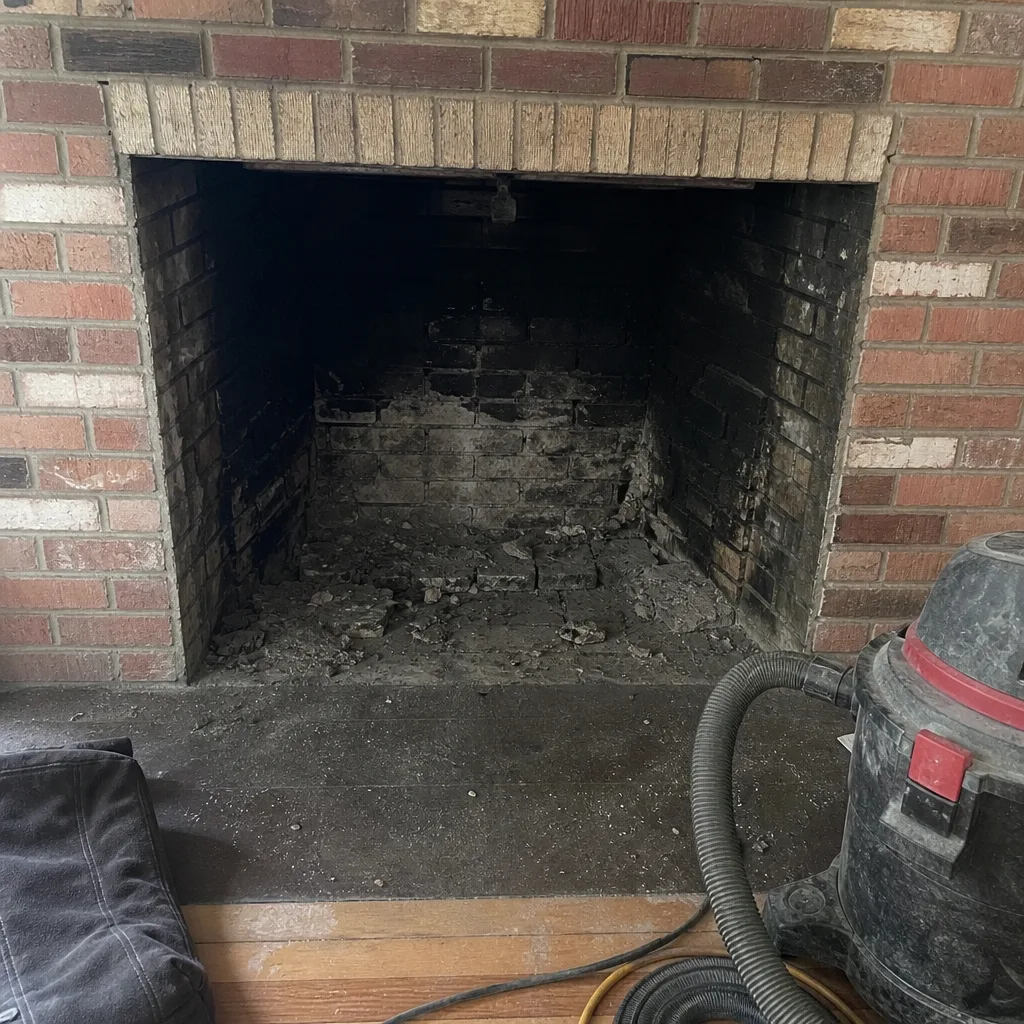
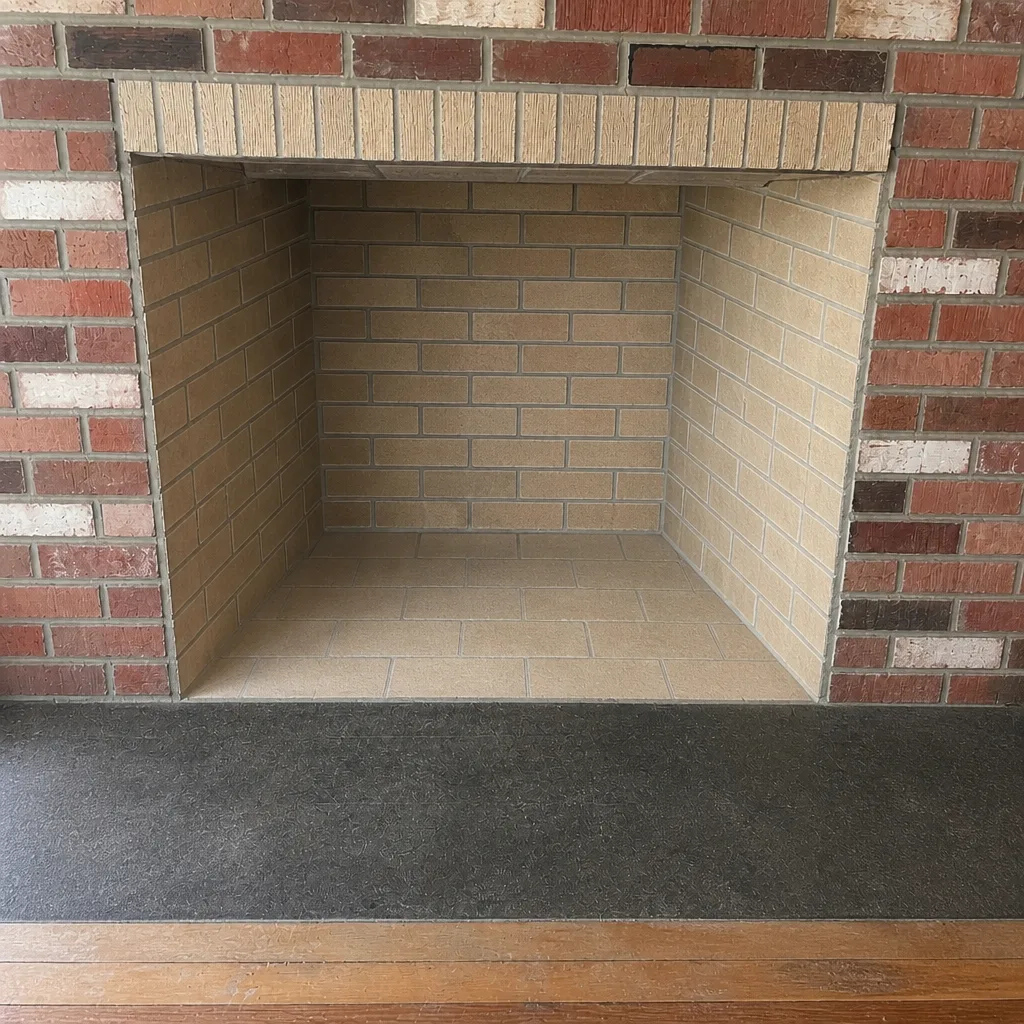
See the difference
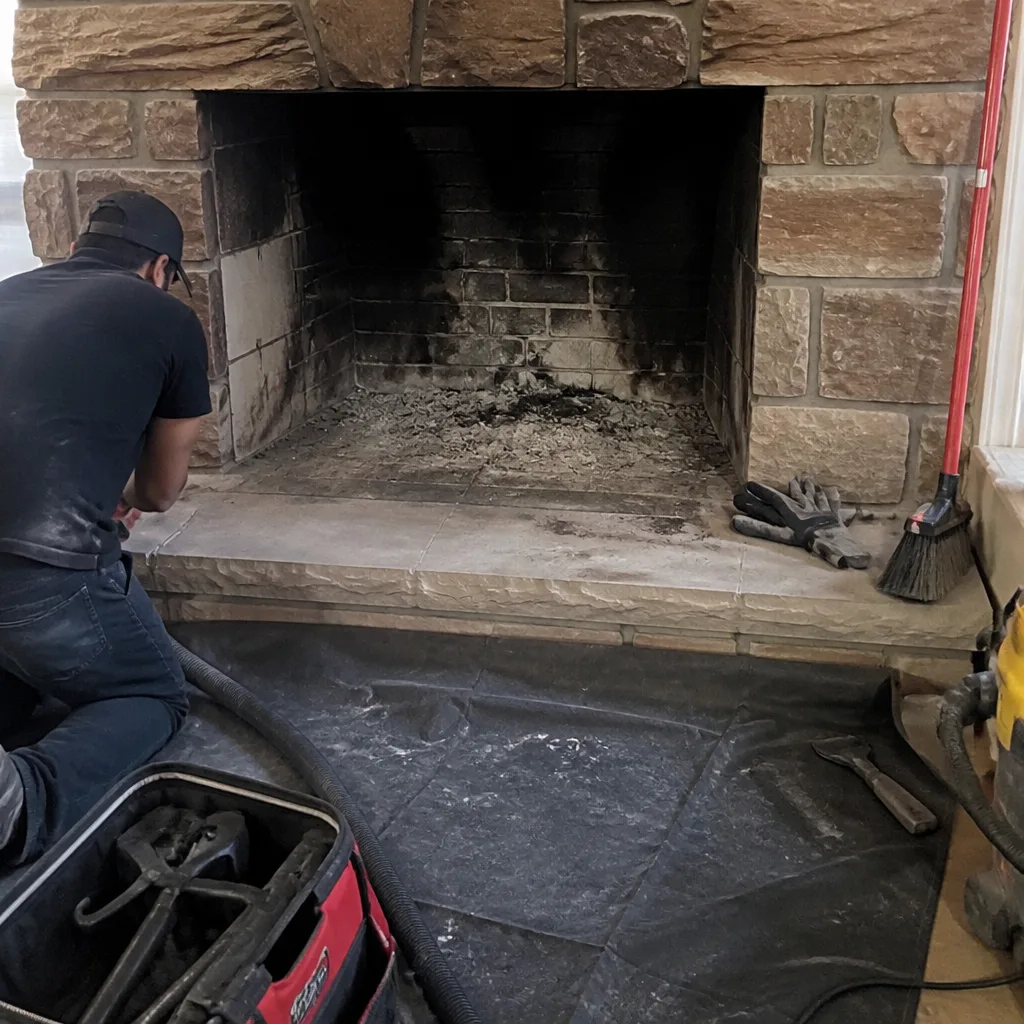 Before
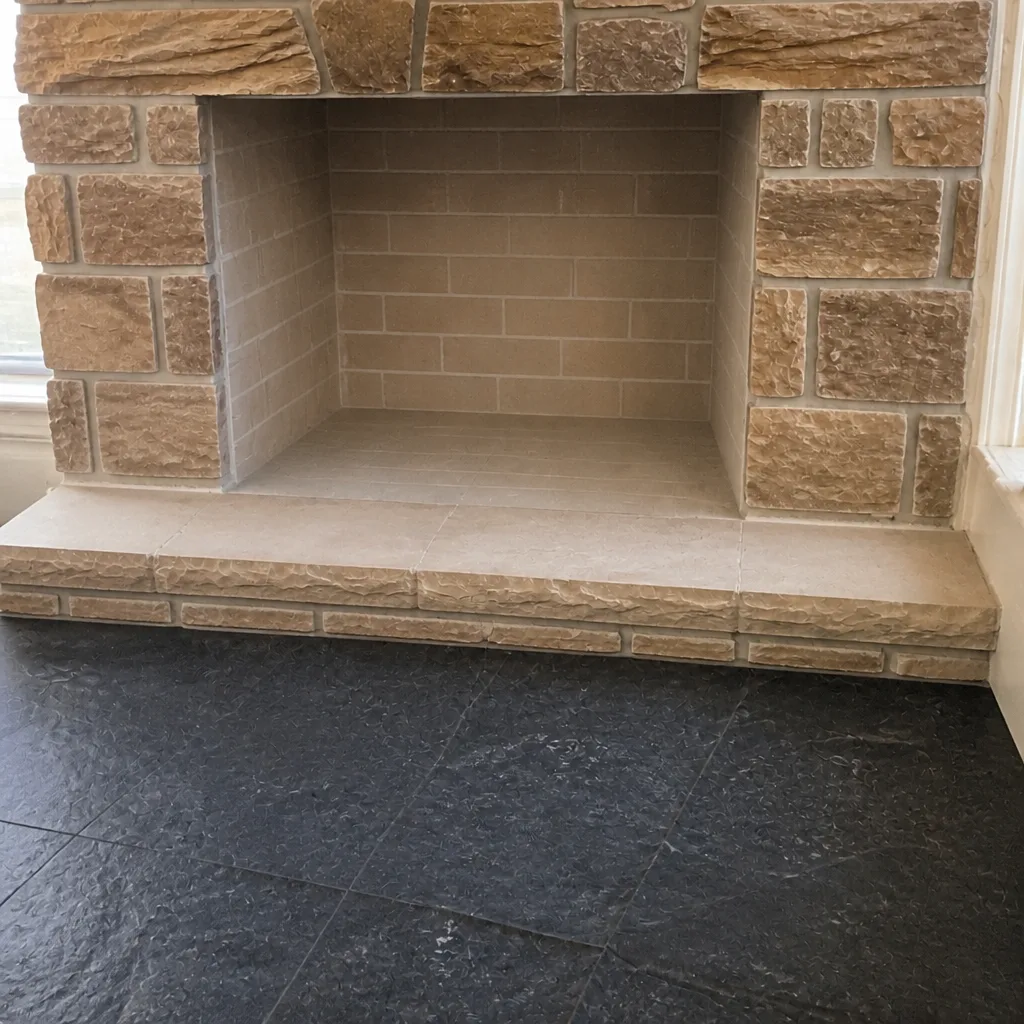 After
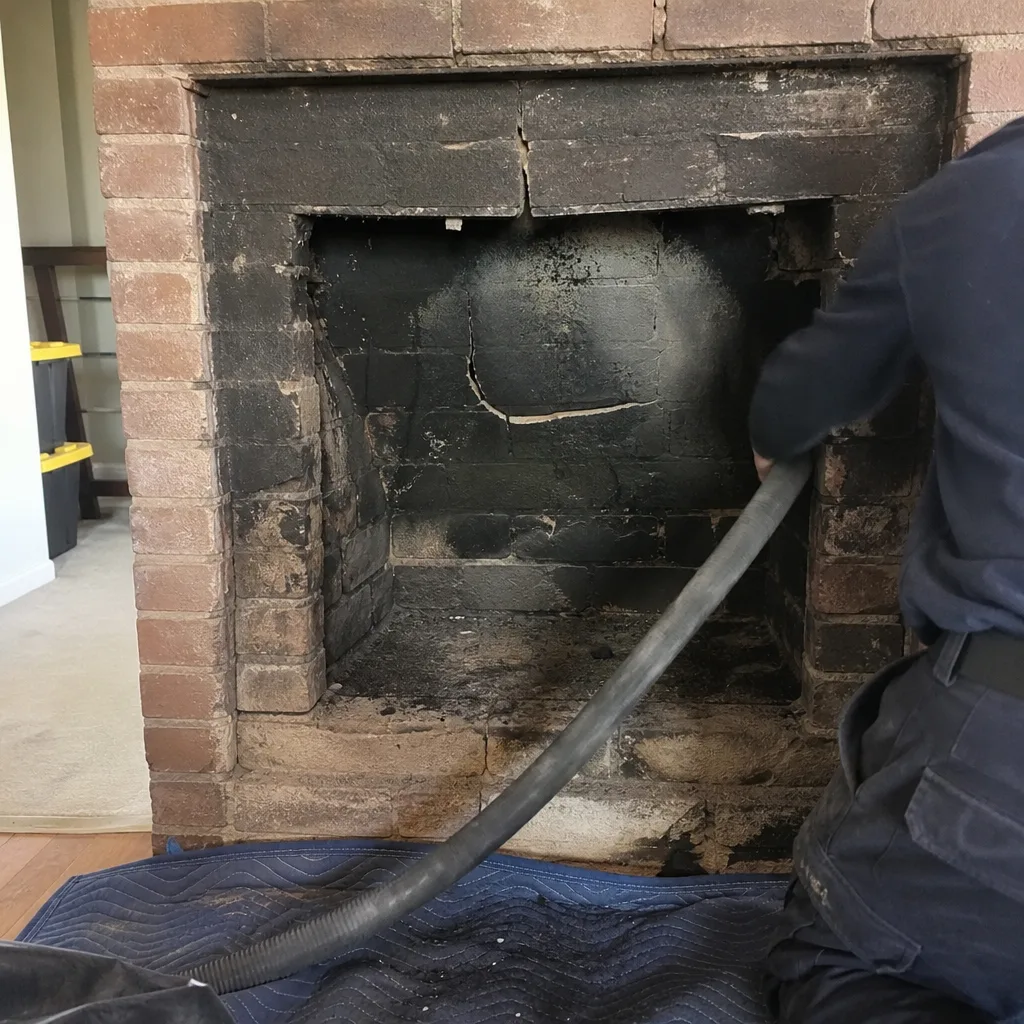 Before
 After
 Before
 After
When to Call a Professional
Call a professional when the chimney is doing anything outside the routine. That includes noticing smoke backdraft into the room, smelling creosote in warm weather, seeing crumbling mortar or a missing cap on the chimney top, hearing a chimney fire you suspect happened, buying or selling a home, or getting an inspection flag from a home inspector. Structural concerns, liner questions, and any repair work above the cleaning line are not do-it-yourself territory. High-level repairs on the flue and crown involve working overhead on a masonry structure, and those jobs genuinely need trained hands. We provide free estimates in Washington Park, all work is set in a written estimate per job, and our technicians have up to 12 years of experience. Call (833) 482-5684.
Frequently Asked Questions
No. Routine chimney cleaning is maintenance and doesn’t require a permit anywhere in the Denver metro. The permit question only arises when the work becomes a repair or alteration, such as a liner replacement, a firebox rebuild, or crown reconstruction. Call (833) 482-5684 for a free estimate and we’ll tell you what applies to your job.
In most Denver metro jurisdictions, yes – a liner replacement typically requires a permit and an inspection because it alters the venting system. The exact rule depends on your jurisdiction’s adopted code. Confirm with your building department, and ask your contractor to pull the permit in their own name before work begins. Call (833) 482-5684 and we’ll walk you through it.
A cleaning removes creosote and debris from the flue. An inspection assesses the condition of the entire system, including the firebox, damper, flue, and crown, and produces documentation. NFPA 211 defines three inspection levels, and a Level 2 is the level most often required for real estate transactions. We offer inspection as a standalone service. Call (833) 482-5684 to book one.
It can. Buyers and lenders may ask for permit and inspection records for chimney repairs, and an absence of records can complicate a transaction. If you’ve inherited a chimney with no documentation, a current inspection establishes the condition of the system and gives you a paper trail. Call (833) 482-5684 for a free estimate on inspection.
NFPA 211 calls for an annual inspection of chimneys and vents, and an annual sweep where creosote builds up or the appliance is used regularly. A Level 2 inspection is triggered when the property changes hands, when the fuel or appliance changes, or after an event like a chimney fire. Call (833) 482-5684 to schedule.
Skipping inspection leaves you without a current condition record, and any hidden problem, such as a cracked flue or a deteriorating crown, continues to worsen. The risk isn’t just the chimney itself; it’s the documentation gap that surfaces at resale or at an insurance claim. The fix is straightforward: get the inspection done and keep the report. Call (833) 482-5684 – estimates are free.
The Bottom Line
The line between permitted and unpermitted chimney work in Washington Park is a repair line, not a cleaning line. Routine sweeps are maintenance. Liner replacements, firebox rebuilding, crown reconstruction, and any structural change to the chimney are typically permitted work. NFPA 211 and IRC Chapter 10 set the standard, and local Denver metro amendments decide how it applies to your address. The paperwork you keep – inspection report, permit, final inspection result, materials documentation – is what protects you at resale and if a claim ever arises. We diagnose before we recommend, and we work from the firebox to the crown with named, warrantable materials. If you’ve got a Washington Park chimney and an unanswered question about permits, call us before the work begins.
Contact Us
If you’re in Washington Park and you’re ready to get a chimney inspected, cleaned, or repaired, we’ll tell you what’s needed, what requires a permit, and what the written estimate covers. Call (833) 482-5684 for a free estimate. We answer 24/7. Fast dispatch from 7am to 7pm, Sunday through Friday.
Written by the team at Chimney Sweep Washington Park.