
Last updated November 24, 2026
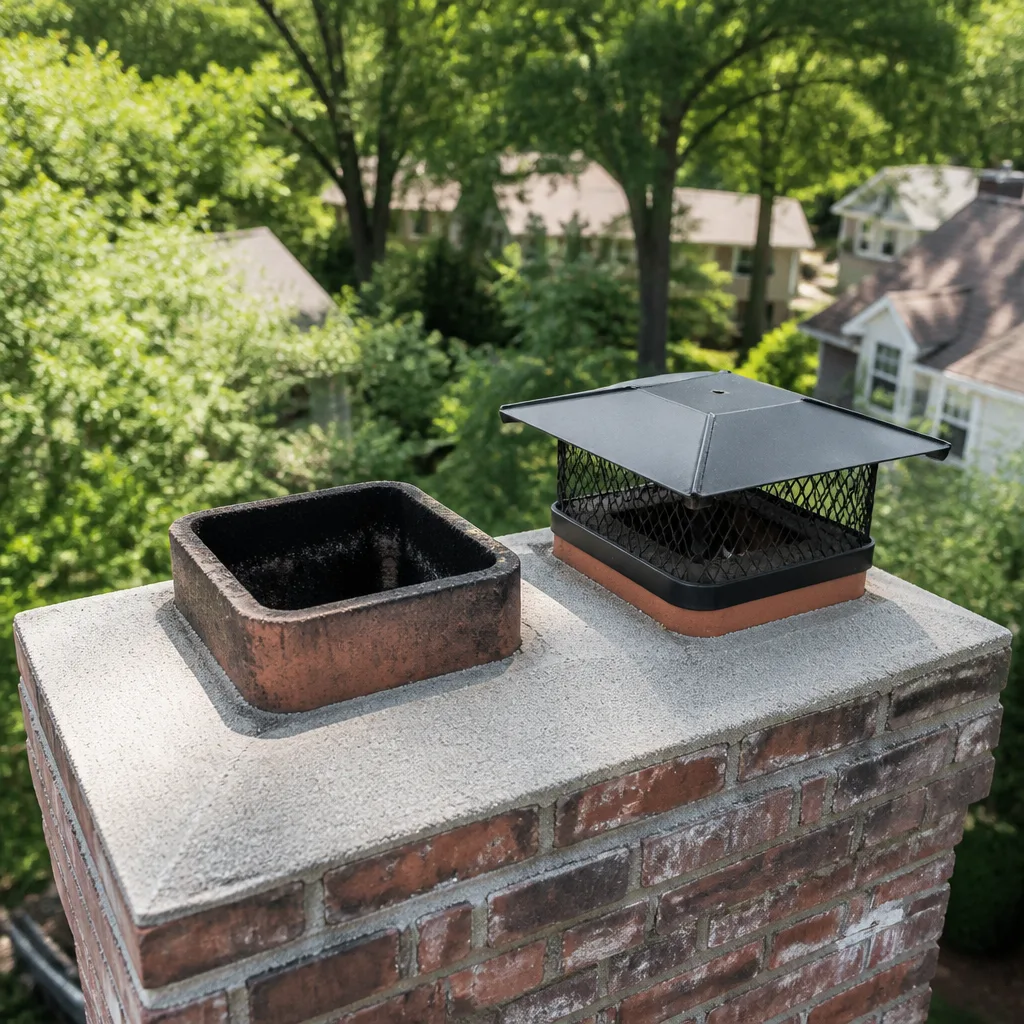 Sweep & inspection
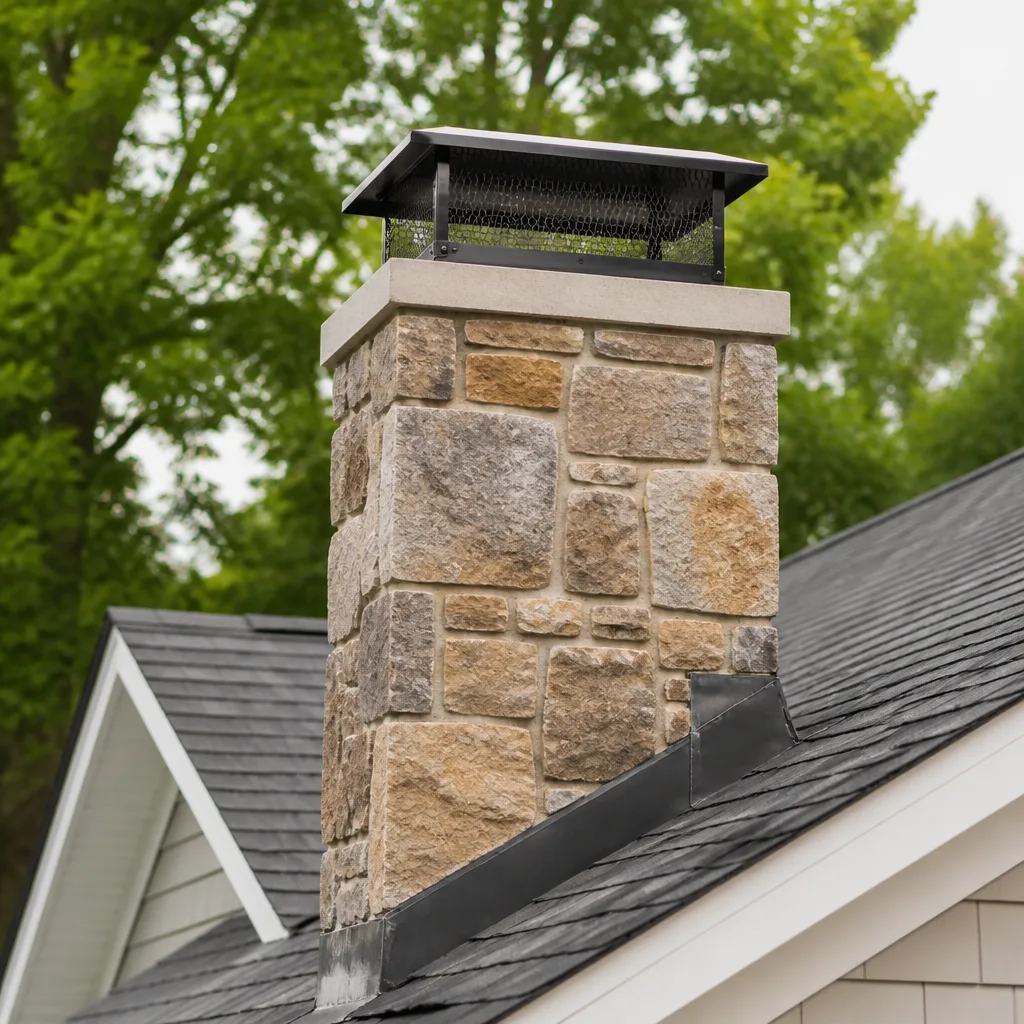 Caps & crowns
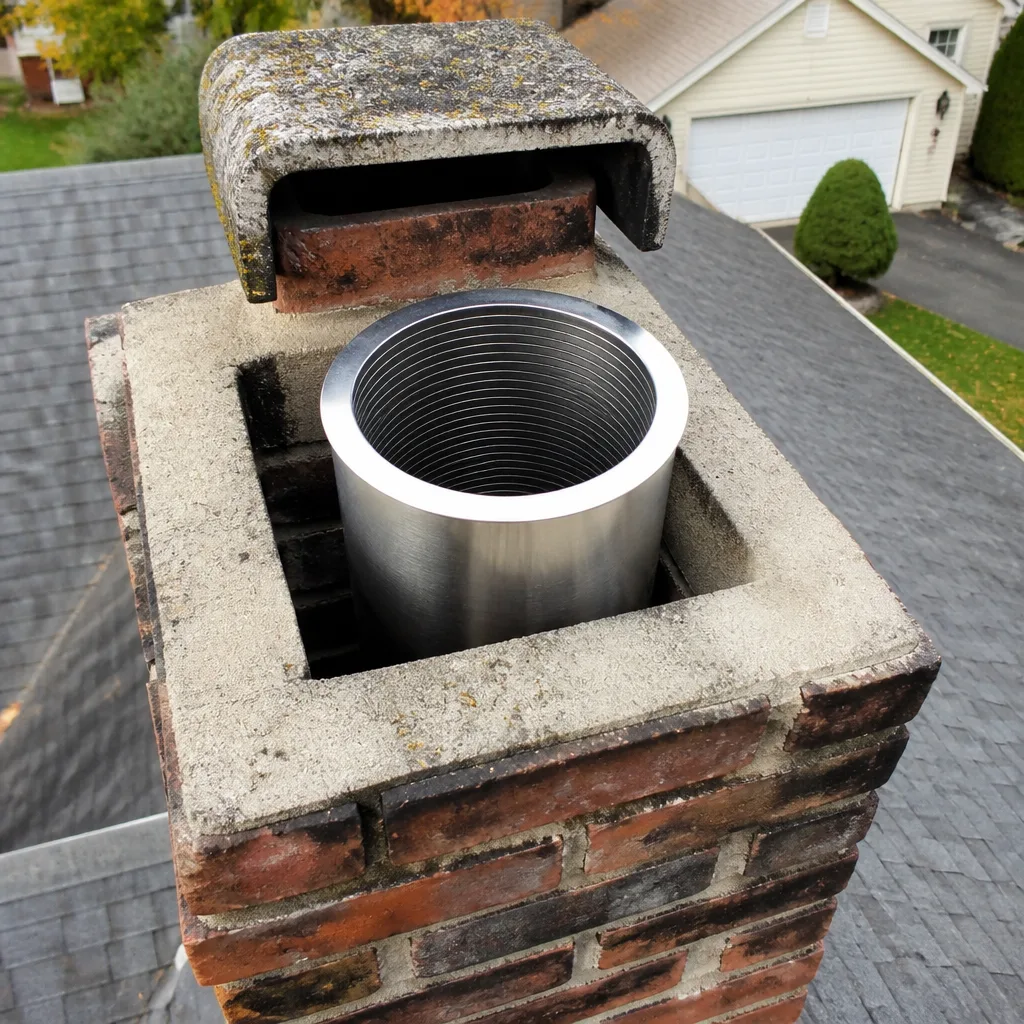 Flue relining
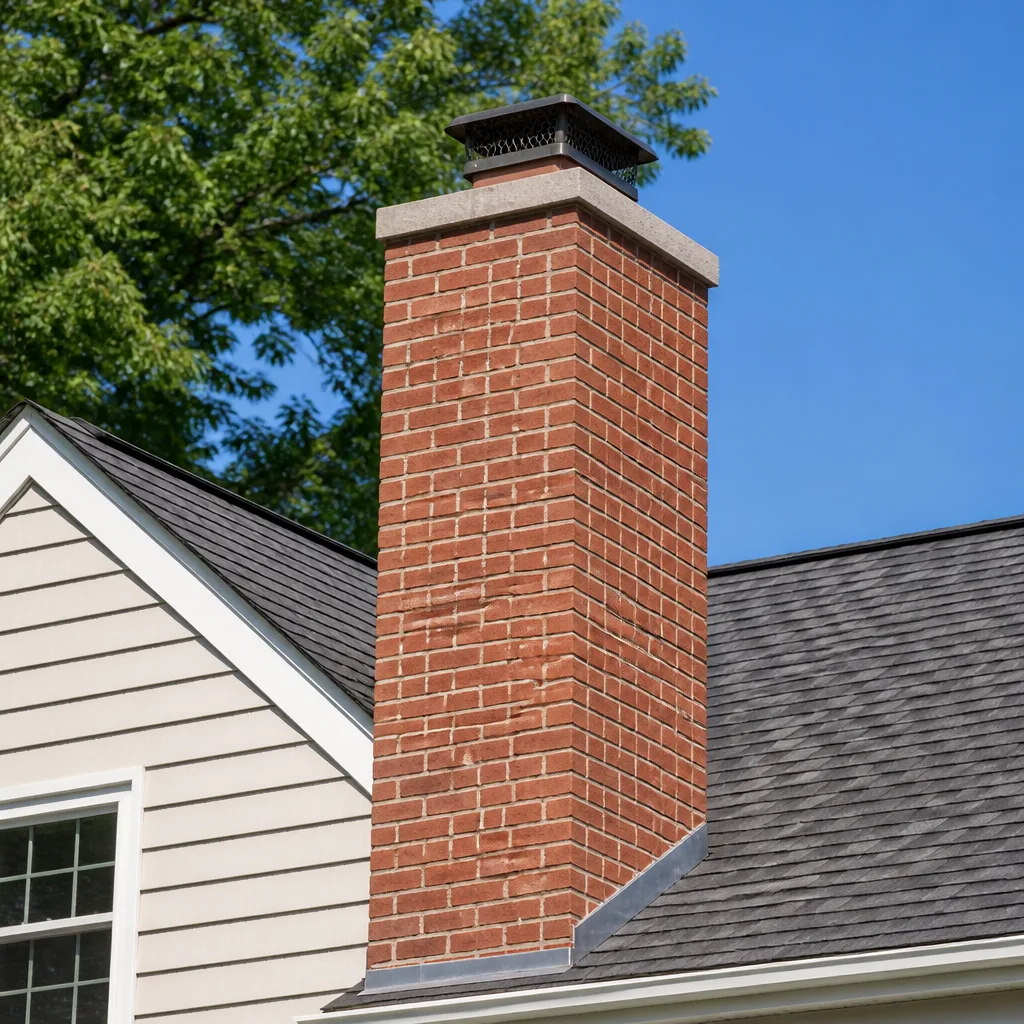 Masonry repair
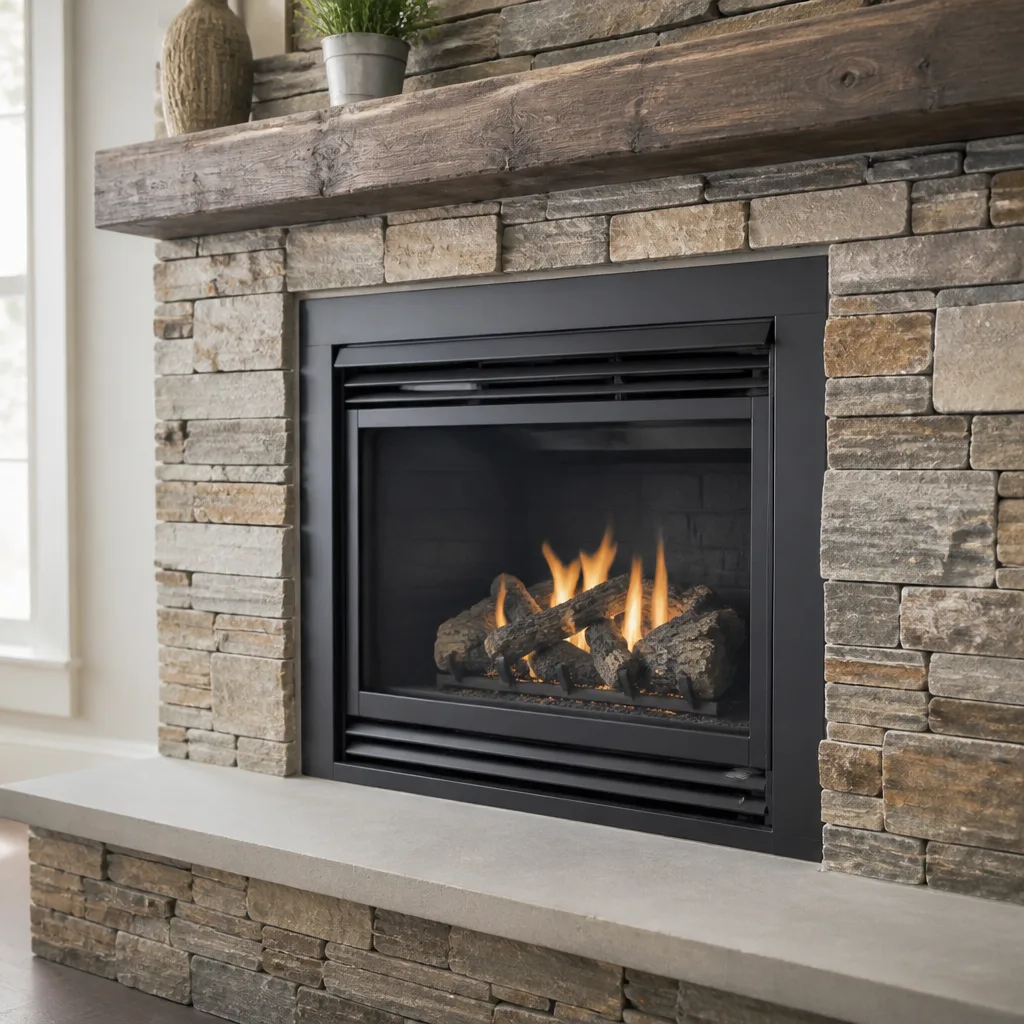 Gas fireplace service
Level 1 sweep and inspection to the NFPA 211 annual standard - flue, crown, cap, and flashing checked and photographed
Chimney sweep logs do not sweep chimneys. They loosen some creosote - which then falls where a brush and vacuum still have to collect it.
Chimney Cleaning Cost Breakdown: The Washington Park Homeowner’s Reference for 2026
The lowest chimney cleaning quotes in metro Denver frequently don’t include a camera inspection, which means you could be paying to have creosote removed without knowing whether the liner holding that creosote is intact. A $99 sweep and a $350 sweep are often advertised with the same words, yet they can be entirely different jobs. One brushes the flue and leaves. The other checks the flue before and after, documents what it finds, and tells you plainly what can wait and what can’t. In this reference, we break down what a chimney cleaning actually costs in Washington Park in 2026, what each price tier includes, how your appliance type changes the number, and how to read a quote so you know exactly what you’re buying.
Quick Answer
A standard chimney sweep in Washington Park typically costs $150 to $290 in 2026. Adding a camera inspection brings the combined sweep-and-inspection visit to roughly $250 to $425. Repair work (resurfacing, caps, crowns, liners) is priced separately by a written estimate, and the written estimate always sets the final price.
Styles & brands we work with
- Sweep & inspection
- Caps & crowns
- Flue relining
- Masonry repair
- Gas fireplace service
Table of Contents
- What does a standard chimney sweep include in Washington Park?
- What does a sweep plus camera inspection cost?
- How does chimney type change the price?
- What add-on costs should be line-itemed upfront?
- Why do repair material brands change the price?
- How do you read a chimney quote line by line?
- What are the red flags in a chimney quote?
- Common mistakes to avoid
What does a standard chimney sweep include in Washington Park?
A standard sweep is a cleaning appointment: creosote and soot removed from the firebox, smoke chamber, damper area and flue, using brushes sized to the flue, with drop cloths and a vacuum to keep the room clean. It’s a maintenance visit, not a diagnostic one. That distinction is the whole reason quotes for the same chimney range so widely.
Here’s what a typical sweep in Washington Park covers in 2026:
- Basic sweep, open masonry fireplace: $150 to $290. Covers firebox, damper, smoke chamber and flue.
- Insert or freestanding stove: $190 to $340. The firebox is tighter, the flue is often smaller or offset, and the appliance has to be cleaned around.
- Gas log set: $120 to $220. No creosote, but the logs, burner and venting get cleaned and checked.
- Multiple flues or a second chimney: priced per flue, usually at the low end of the range for the extra flue.
What a basic sweep does not include is a look at the flue liner from the inside. A visual check from the top and bottom tells us only what’s visible. The camera tells us what’s not. In Washington Park, where a lot of the housing stock is older and flues have been through many heating seasons, that interior view is the difference between a cleaning and a diagnosis. We diagnose before we recommend, which is why we treat camera inspection as the foundation of the visit rather than an optional add-on.
What does a sweep plus camera inspection cost?
A sweep with a camera inspection typically runs $250 to $425 in Washington Park in 2026. The inspection portion usually adds $80 to $150 on top of the sweep, and it’s the piece that gives you something you can actually use: photos and a written report of what the flue looks like inside.
Here’s how that visit usually goes:
- We protect the floor and hearth, then set up the vacuum and drop cloths.
- We sweep the flue, smoke chamber and firebox, removing creosote and soot.
- We run a camera down the flue to look at the liner walls, joints, and any gaps or cracks.
- We photograph what we find, from the firebox to the crown.
- We hand you the report and walk you through it before anyone recommends any work.
That report matters in three situations. If you’re buying or selling a home in Washington Park, an inspection gives the transaction a documented condition record. If your home inspection flagged the chimney, the report answers the flag. And if you just want to know where your chimney stands heading into heating season, the photos let you see it for yourself instead of taking anyone’s word.
Nothing we recommend comes without camera evidence you can look at. If a repair can safely wait a year, we’ll tell you that too. That’s not a sales posture; it’s how you keep a customer for the long run.
How does chimney type change the price?
Chimney type is the single biggest variable in a cleaning quote. The flue size, the appliance, and the amount of creosote all shift the labor, and labor is most of what you’re paying for.
Open masonry fireplaces are the simplest. The firebox is accessible, the flue is usually large, and brushing is straightforward. Creosote volume still matters: a lightly used fireplace cleaning is quick, while heavy glaze takes more passes and more time.
Inserts and freestanding stoves are more involved. The appliance sits inside or in front of the firebox, the flue is often smaller and may have a bend, and the technician has to work around the unit. If the insert has a baffle or a removable component, getting it out and back in correctly adds time.
Gas appliances need less scrubbing because there’s no creosote to speak of, but the burner, logs and venting still get checked and cleaned. If the gas appliance hasn’t been serviced in a while, the visit may reveal a venting problem that needs attention.
Pellet stoves fall somewhere in between. Ash is the issue rather than creosote, and the flue often needs a specific brush and a bit more care to clear the venting.
Whatever the appliance, the number on the quote should reflect the actual work. A quote that says “full sweep” without asking what you burn, how often, and what’s connected to the flue is a quote that’s guessing.
What add-on costs should be line-itemed upfront?
The honest way to price a chimney visit is to list the extras before the work starts, not after. Here’s what those extras look like in the Washington Park market in 2026, and what each one addresses.
- Chimney cap installation: $180 to $380 for a standard cap. A cap keeps rain, birds and debris out of the flue. A missing or cracked crown is the leading cause of chimney water damage we see, and a cap is the first line of defense.
- Minor crown repair: $200 to $450 for small cracks addressed with a proper crown coating. Left alone, a cracked crown lets water into the masonry, and freeze-thaw cycles in the Denver area push those cracks wider each winter.
- Animal intrusion removal: $150 to $350. Birds, squirrels and raccoons get into uncapped flues regularly. This covers removal, cleanup and usually a cap so it doesn’t happen again.
- Smoke chamber parging: $300 to $650. The smoke chamber is the sloped area above the damper. Rough surfaces there collect creosote and slow the draft. Smoothing it improves how the fireplace draws and reduces what builds up.
Ask for these as line items in the written estimate. If the technician finds a cracked crown mid-visit and the number appears only at the end, you have no way to compare it to anything. A written estimate agreed before the work and set per job removes that pressure.
Why do repair material brands change the price?
When a repair is needed, the gap between a cheap quote and a professional one usually comes down to what’s going into your chimney. Generic materials can land a lower initial price. Named, warrantable materials cost more, and that difference shows up over the life of the repair.
The repair scenarios in Washington Park most often fall into three groups.
Flue resurfacing. When the liner has cracks or spalling but the flue structure is still sound, HeatShield resurfacing can restore the interior without a full liner replacement. It’s a non-destructive option that a cleaning-only operation can’t offer, and in many cases it’s a fraction of the cost of a tear-out and reline.
Liner replacement. When the flue is too irregular or too damaged for resurfacing, a flexible liner is often the answer. DuraFlex systems handle the offsets and shapes that rigid liners can’t follow, which matters in older Washington Park homes where flues were never built to a uniform standard.
Caps and crowns. We install caps and crowns using Gelco products. These are the components that keep water out of the masonry. A cheap cap that fails in a couple of [hard to verify] years is more expensive than one that lasts, because the water damage it lets in compounds.
A higher quote for a liner or cap isn’t automatically padding. It may be the difference between a warranted material and anonymous stock. The right question is what’s being installed and who stands behind it, not just the number at the bottom.
How do you read a chimney quote line by line?
A chimney quote should tell you exactly what’s being done, with what, and for what price. If any of those are missing, the quote isn’t finished. Here’s how to read one.
- Check that the sweep scope is specific. A real quote names what’s swept: firebox, damper, smoke chamber, flue. “Chimney cleaning” alone tells you nothing.
- Look for the inspection. If a camera inspection isn’t on the quote, you’re paying for a cleaning without a diagnosis. Ask where it is and what it costs.
- Read the repair line items. Each repair should name the material or product being used. A liner is not a liner; ask what’s going in.
- Confirm the price is a written estimate, not a range. The written estimate sets the final price. Anything quoted verbally is a placeholder.
- Ask what can wait. A good technician will tell you which items are urgent and which are not. If everything on the list is urgent, get a second opinion.
We provide camera inspection with a photo report so you can see what we see. From the firebox to the crown, the documentation follows the work. If a piece of the system isn’t right, we name it and we quote it. No vague “recommendations” without evidence.
What are the red flags in a chimney quote?
Suspiciously low prices and suspiciously high prices are two ends of the same problem: a quote that doesn’t match the work. Here’s how to spot both.
Red flags on the low side:
- A $99 sweep with no mention of a camera inspection. That price usually buys a brush-down only. You won’t know if the liner is intact.
- A quote that doesn’t ask what you burn or what’s connected to the flue. That’s a guess, not a quote.
- “Crown repair” at a number too low to include proper materials. Crown work done with the wrong product fails fast.
- A generic cap or liner with no brand, no paperwork and no warranty. Ask what’s going in and who backs it.
Red flags on the high side:
- A full reline quoted on the first visit without a camera inspection first. If resurfacing could have worked, you should have been told.
- Urgency applied to everything at once. Real chimney problems have a calendar. Not every item is going to fail this month.
- Structural work quoted without photos. You can’t verify what you can’t see.
- A quote that keeps growing mid-visit with no written change order. Every line item should be agreed before the work.
The common thread: a good quote is specific, evidenced, and priced per job by a written estimate. If the quote is vague or urgent or cheap with no inspection, slow down.
Common Mistakes to Avoid
- Choosing the lowest sweep quote without asking what’s included. A $99 sweep and a $350 sweep can both say “full sweep” and be completely different visits. Ask for the scope in writing before you book.
- Skipping the camera inspection because the flue “looked fine” from the top. The interior walls of a Washington Park liner can be damaged in ways only the camera catches. A visual check isn’t a diagnosis.
- Approving a reline before resurfacing has been discussed. HeatShield resurfacing can restore a flue without a full liner replacement when the structure is sound. If that option wasn’t offered, ask why.
- Putting off a crown repair because the crack looks small. Denver’s freeze-thaw cycles widen cracks each winter. A small crack today is a much larger repair after a few seasons.
- Leaving the flue uncapped. A cap is the first line of defense against water, birds and debris. Missing caps are one of the most common things we find in Washington Park homes.
- Burning unseasoned wood and then blaming the sweep. Green wood produces far more creosote than dry wood. The fuel you burn determines how often you need to be swept.
- Treating a cleaning-only company as a diagnosis. A sweep is maintenance. If your chimney needs a repair, you want a company that can carry the job from sweep through structural repair, not hand you off.
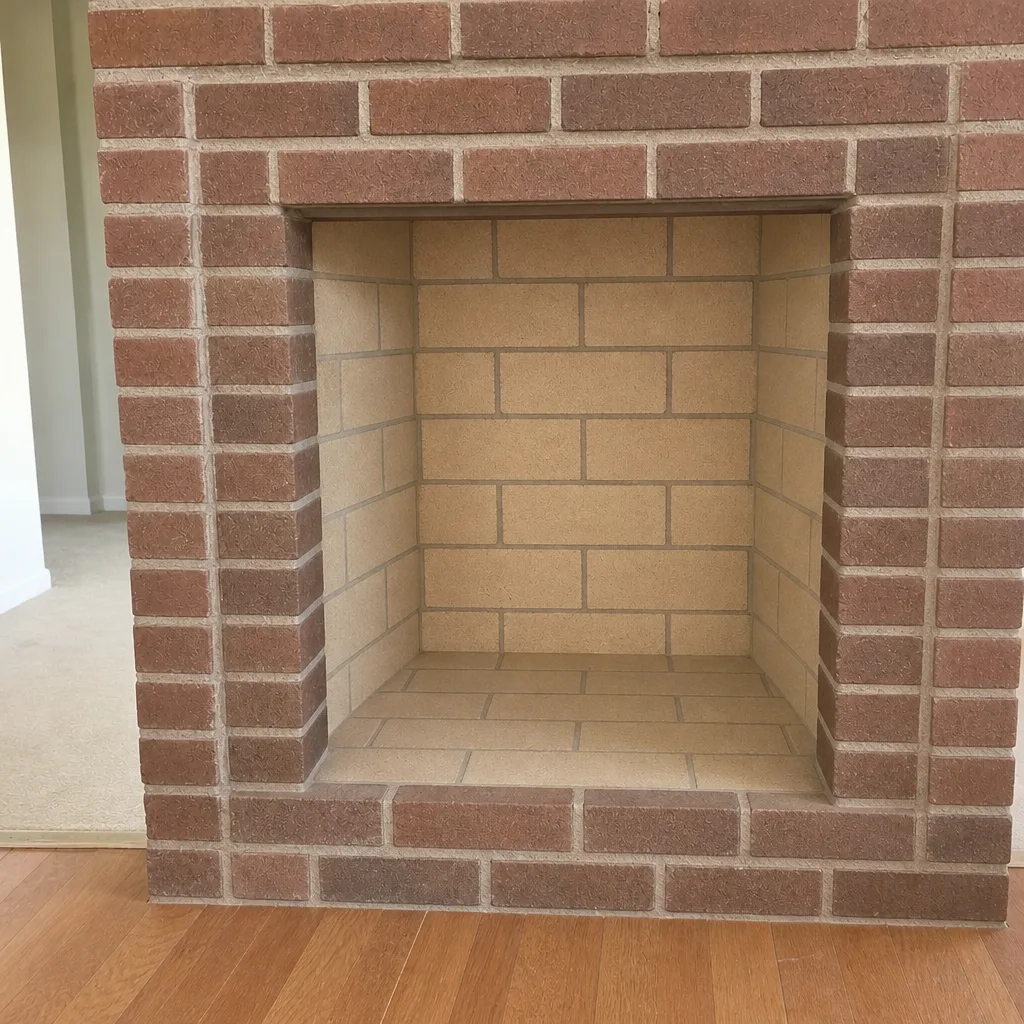
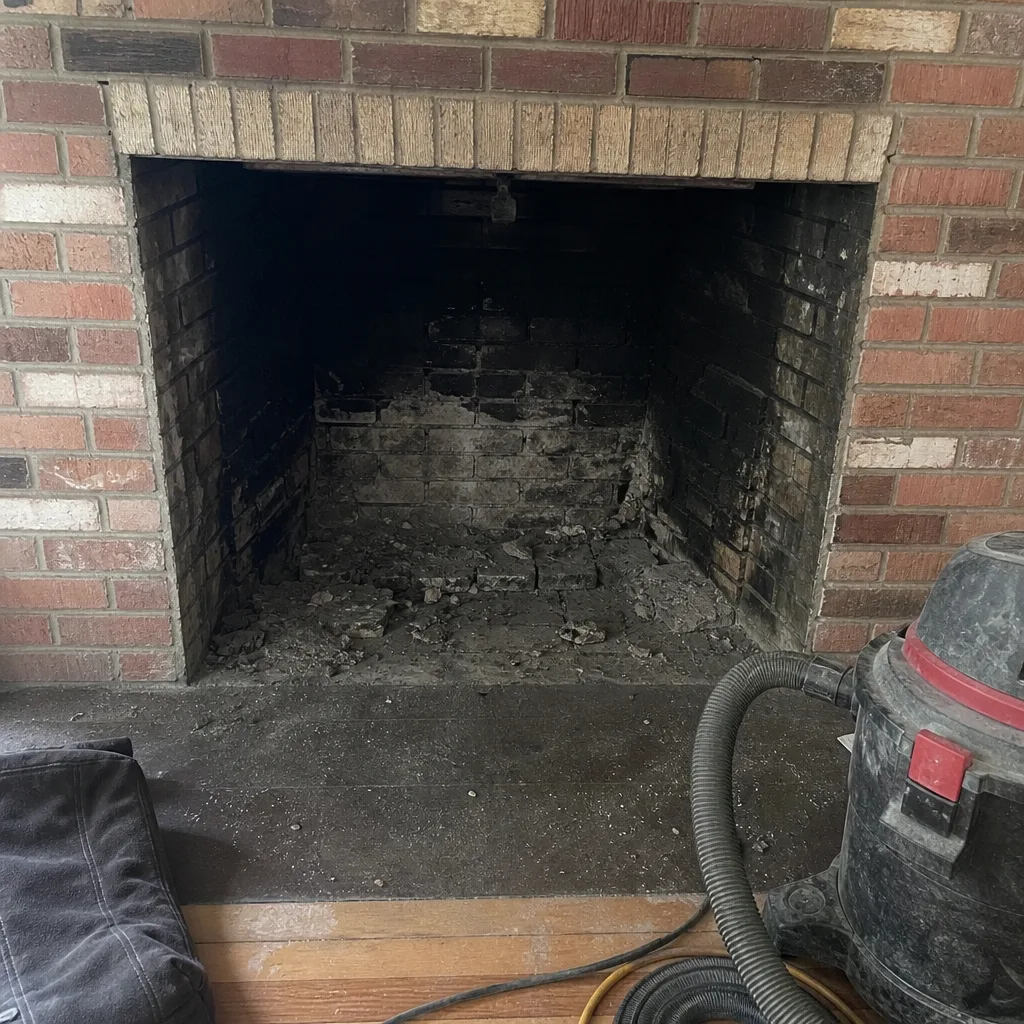
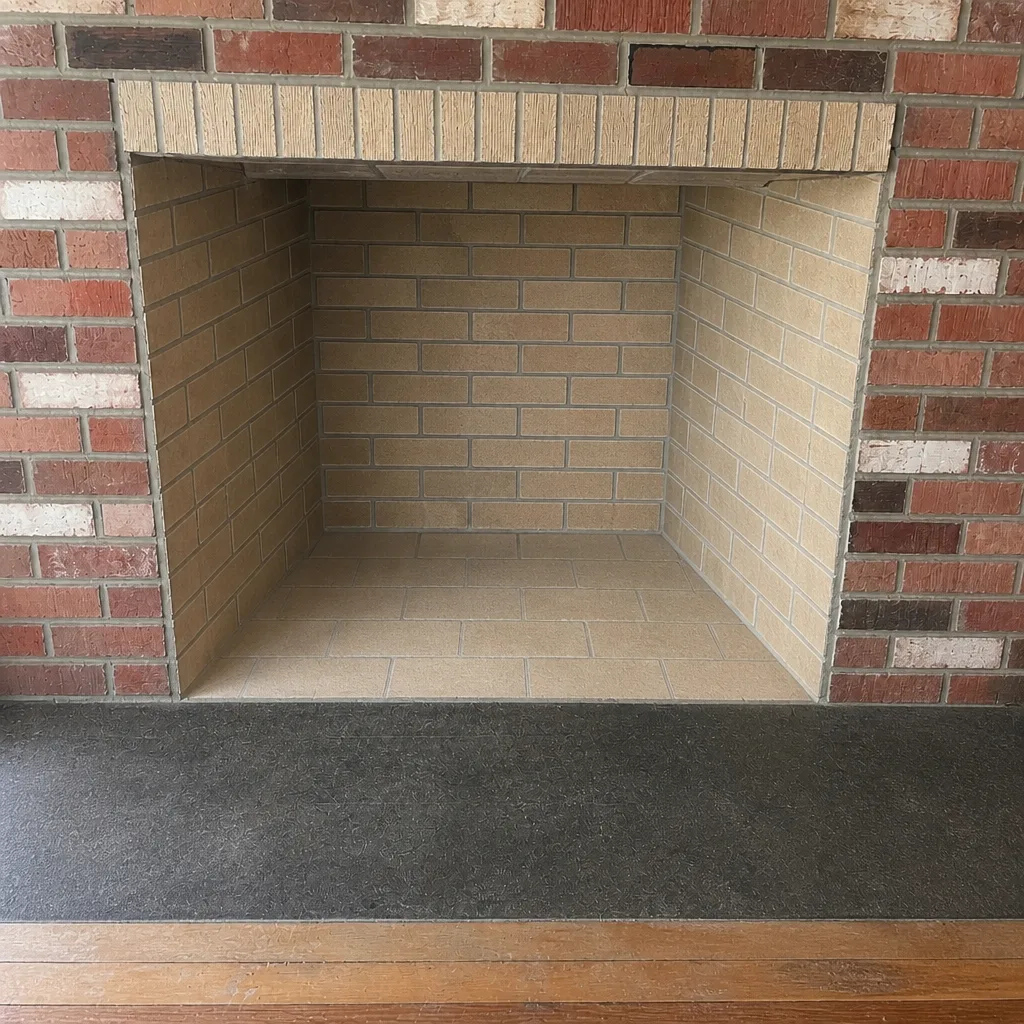
See the difference
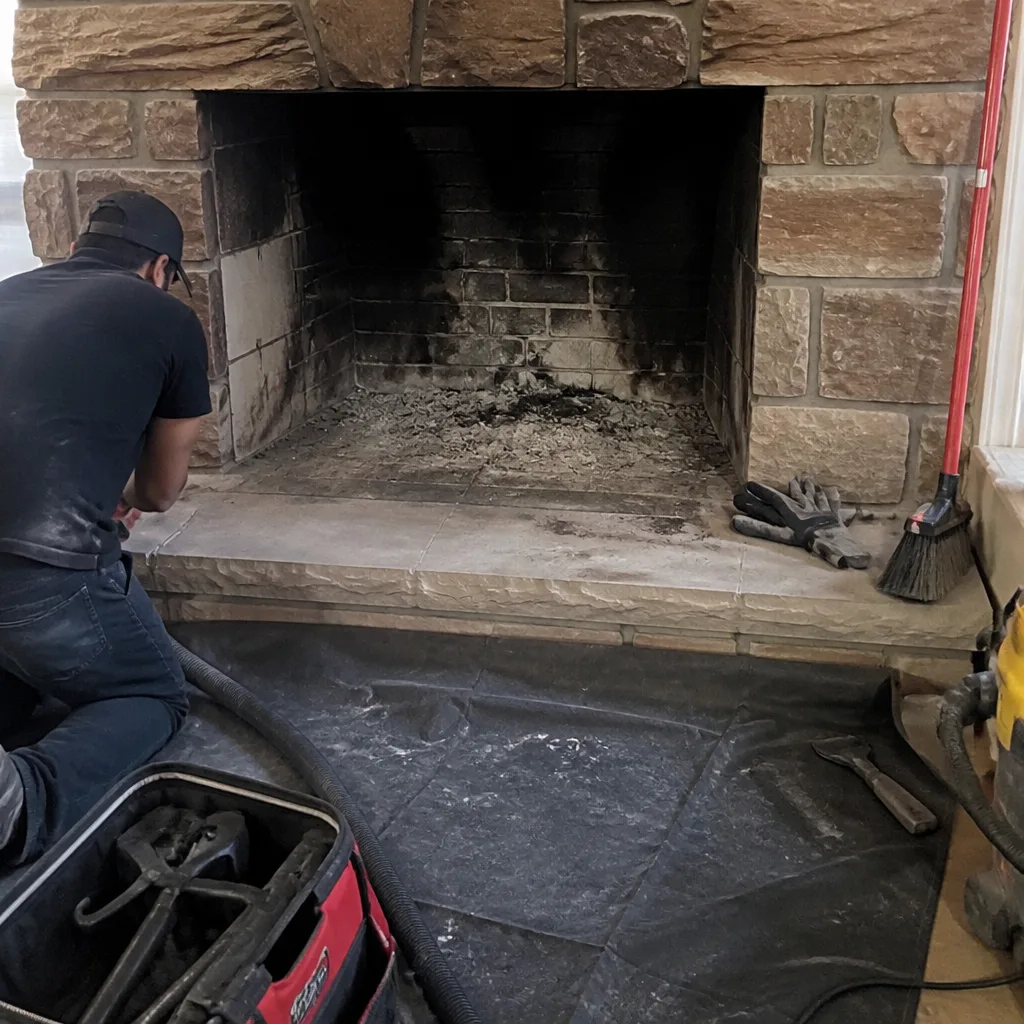 Before
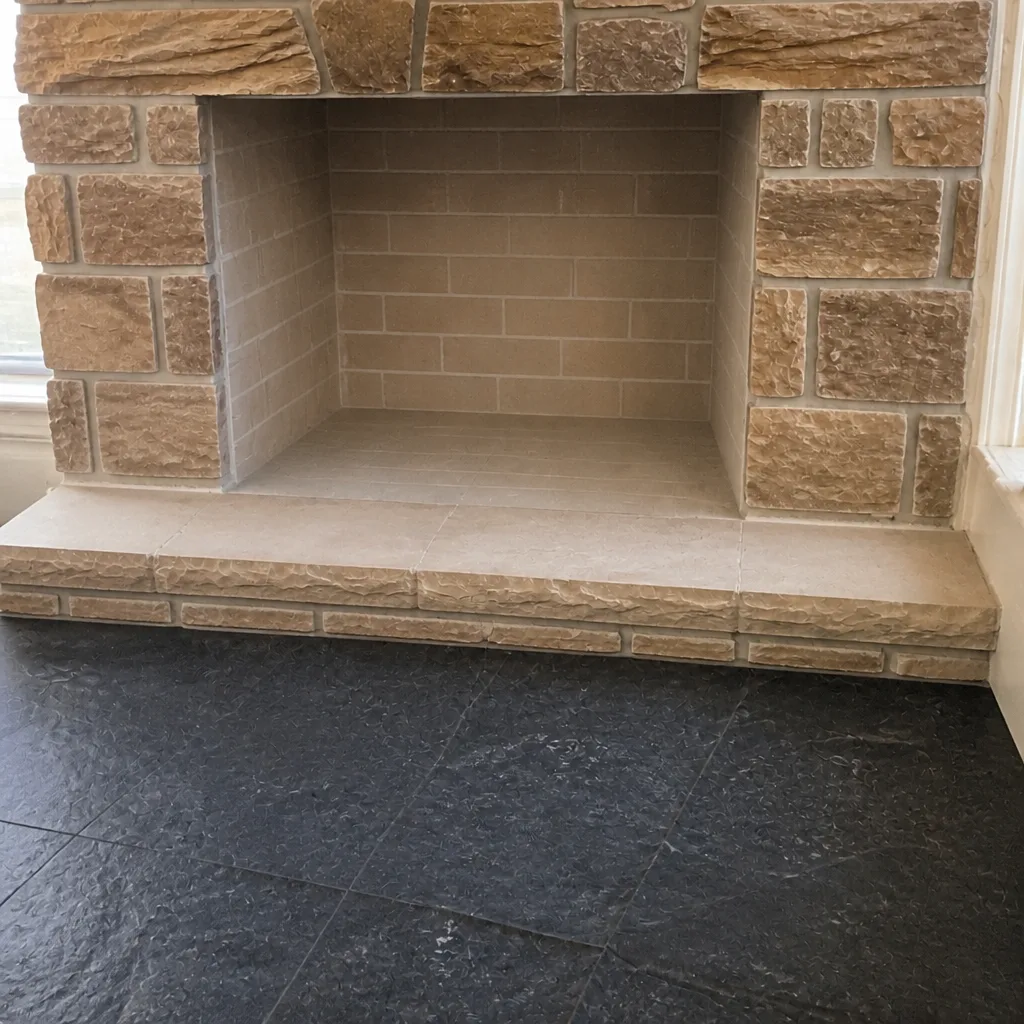 After
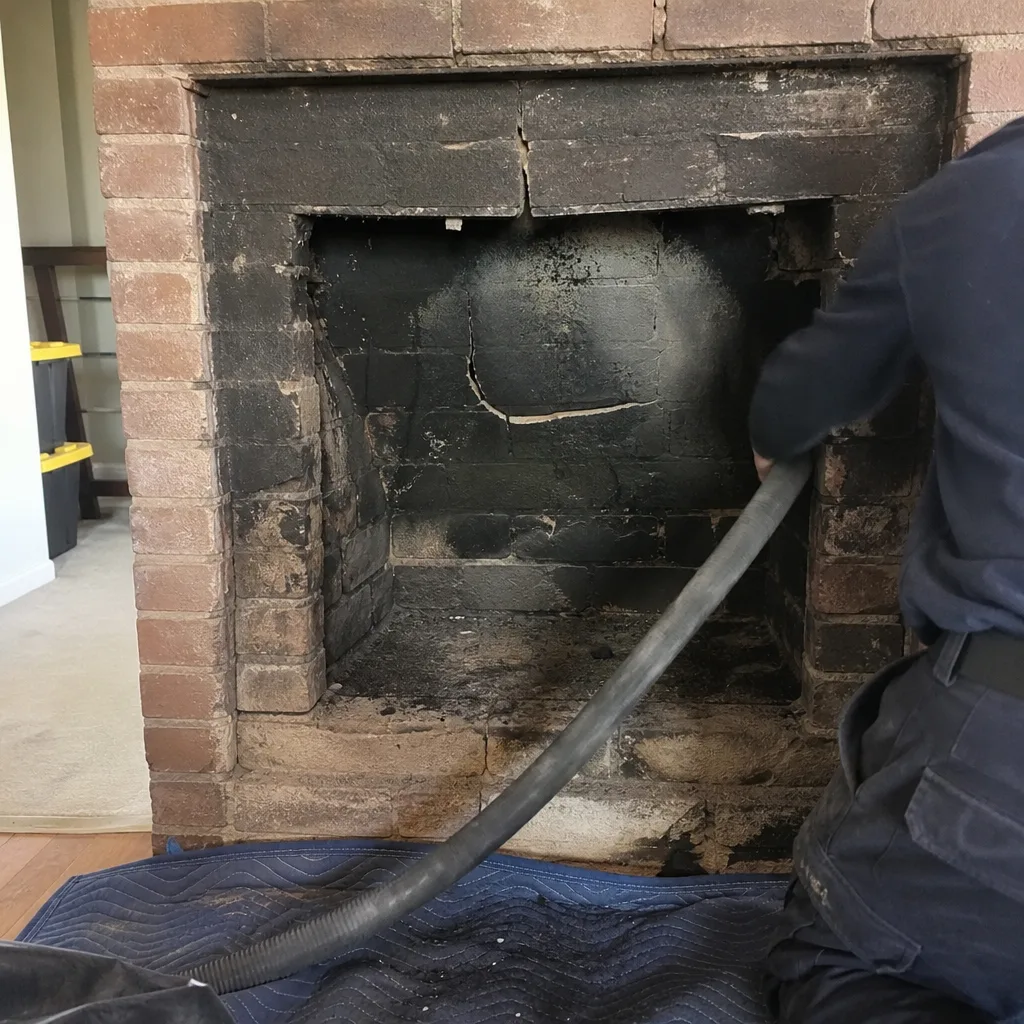 Before
 After
 Before
 After
When to Call a Professional
Call a professional if you’re heading into heating season and haven’t had the chimney inspected, if your home inspection flagged the flue or firebox, or if you’re seeing smoke backdraft, crumbling mortar, a missing cap, or water stains on the chimney breast. Creosote buildup is the fuel for a chimney fire, and carbon monoxide from a blocked or damaged flue is a real hazard in any home with an active appliance. Our technicians have up to 12 years of experience, and we don’t recommend work without camera evidence you can review. Chimney Sweep Washington Park offers free estimates in Washington Park. Call (833) 482-5684. We answer 24/7. Fast dispatch from 7am to 7pm, Sunday through Friday.
Frequently Asked Questions
A standard sweep typically runs $150 to $290. A sweep with a camera inspection usually comes to $250 to $425. The written estimate sets the final price, so ask for the scope in writing. Call (833) 482-5684 for an exact quote; estimates are free.
It depends on what the camera shows. If the flue walls are damaged but the structure is sound, HeatShield resurfacing can restore the interior without a full liner replacement. If the flue is irregular or too far gone, a flexible DuraFlex liner may be the better answer. The only way to know is to look. Call (833) 482-5684 for an inspection; estimates are free.
A chimney should be swept when there’s about a quarter inch of creosote on the flue walls, which for most active wood burners means at least once a year. Heavy users, and anyone burning unseasoned wood, need it more often. Call (833) 482-5684 for an inspection; estimates are free.
Creosote builds up on the flue walls, and that creosote is what fuels a chimney fire. A damaged or blocked flue also puts carbon monoxide risk into the house. Skipping a sweep doesn’t create an immediate hazard, but the risk compounds season by season. Call (833) 482-5684 for an inspection; estimates are free.
A cap keeps rain, birds and debris out of the flue, and a missing or cracked crown is the leading cause of chimney water damage we see. The Denver area’s freeze-thaw cycles turn any water intrusion into cracking masonry. Call (833) 482-5684 for a cap and crown estimate; estimates are free.
We handle the full system, including fireplace repair for the firebox, damper and hearth components, alongside flue work, chimney cap & crown installation and structural repair. That means one company carries the job from sweep through finished repair. Call (833) 482-5684 for an estimate; estimates are free.
The Bottom Line
Chimney cleaning prices in Washington Park in 2026 vary because the word “sweep” covers a wide range of actual work. A basic sweep runs $150 to $290, a sweep with camera inspection runs $250 to $425, and repairs from caps and crowns to resurfacing and relining are quoted separately by written estimate. The single best filter for any quote is the inspection: if it isn’t included, the quote doesn’t tell you what condition your flue is in. We use named, warrantable materials from DuraFlex, HeatShield and Gelco because the repair should outlast the quote. And nothing gets recommended without camera evidence you can see for yourself. That’s how we approach a chimney in Washington Park.
Ready for a written estimate? Call (833) 482-5684. We answer 24/7. Fast dispatch from 7am to 7pm, Sunday through Friday. Start with a chimney sweep, or visit Chimney Sweep Washington Park to see the full range of services.
Written by the team at Chimney Sweep Washington Park.