
Last updated November 24, 2026
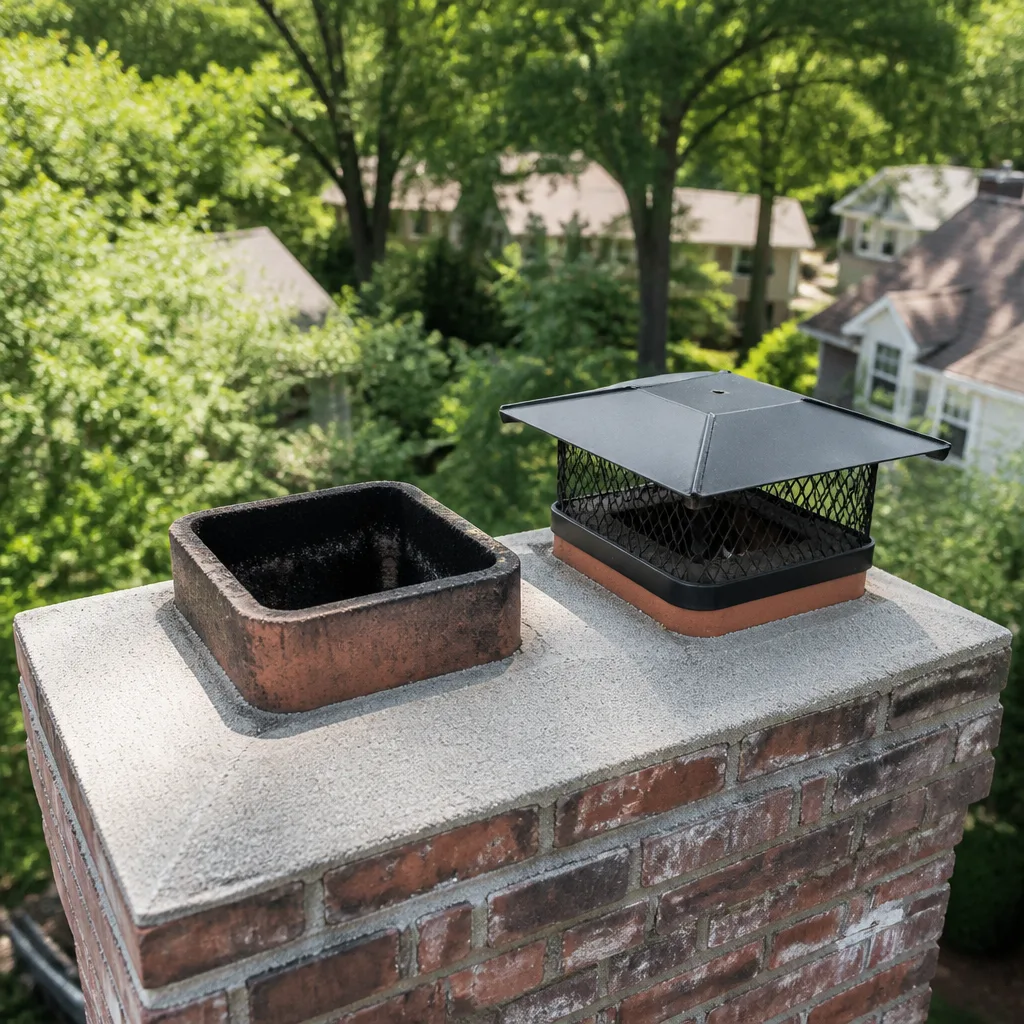 Sweep & inspection
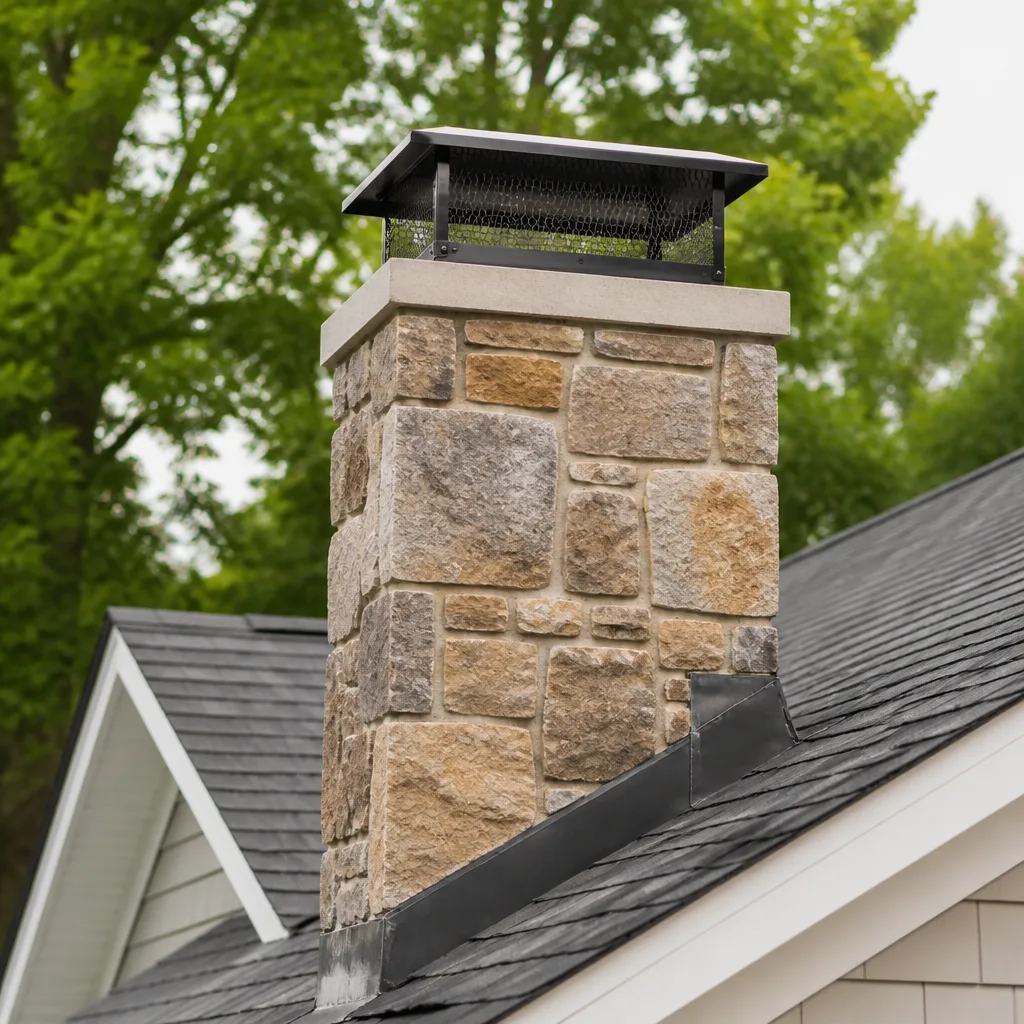 Caps & crowns
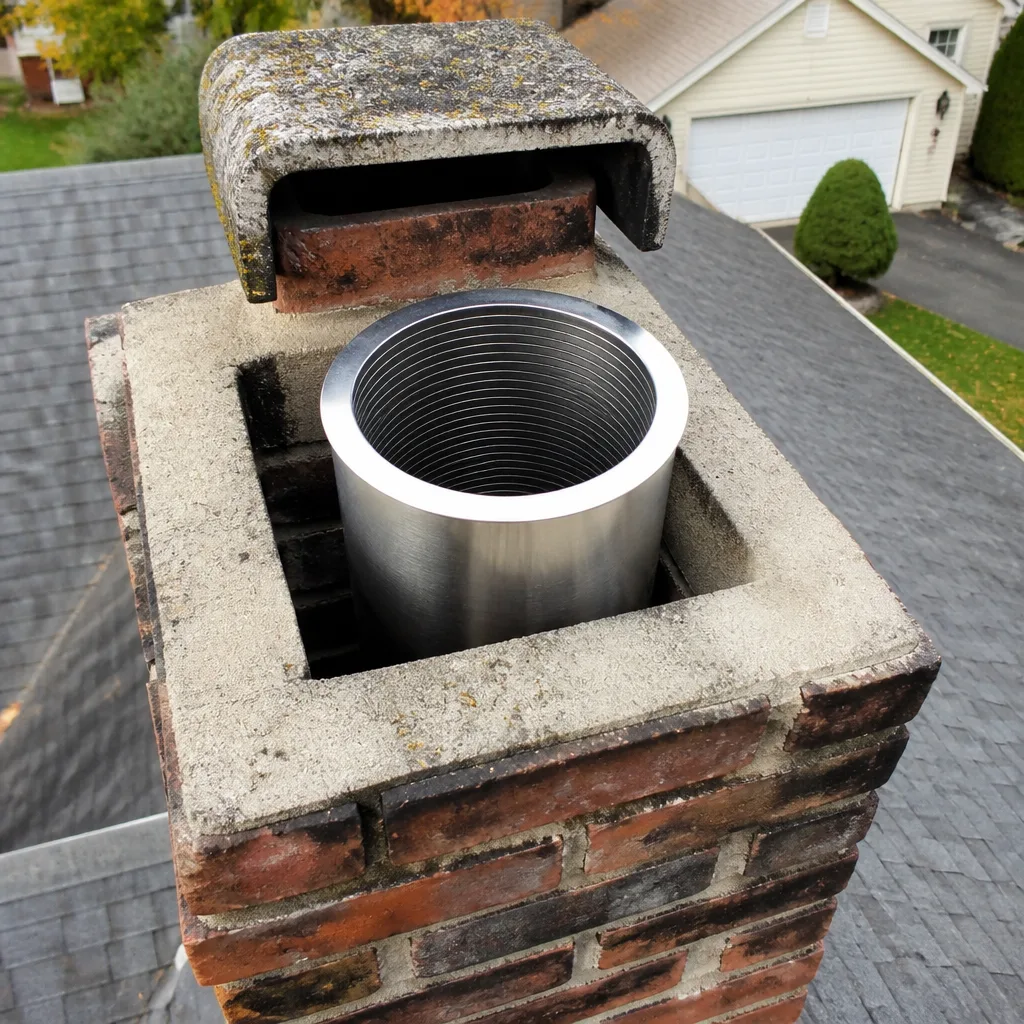 Flue relining
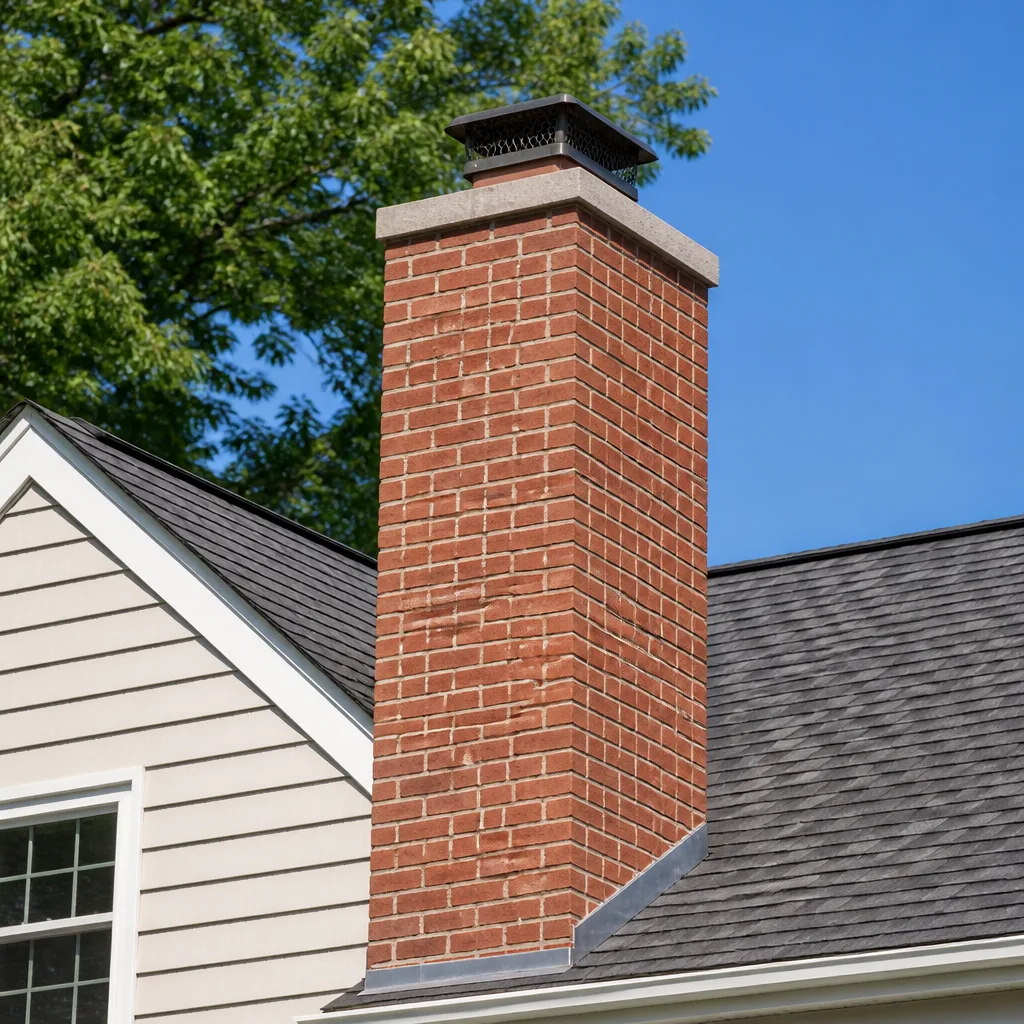 Masonry repair
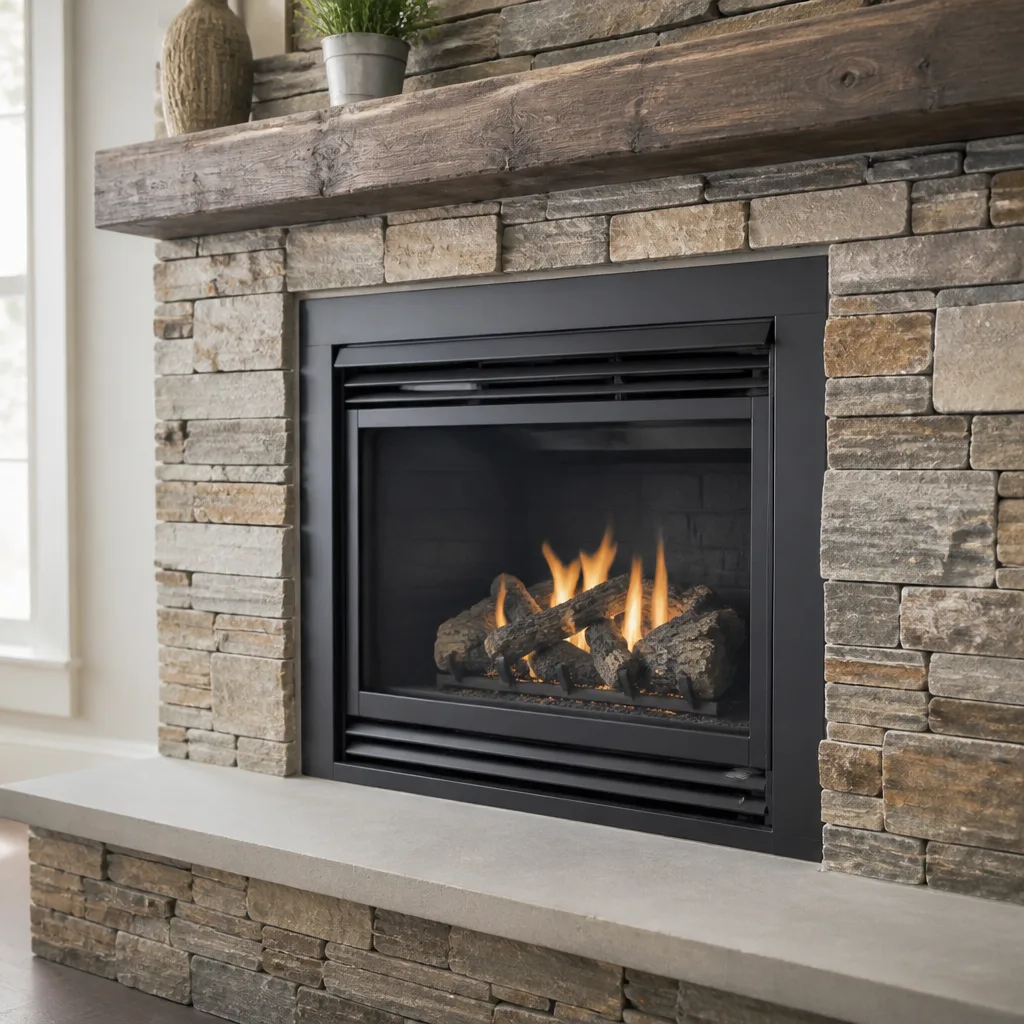 Gas fireplace service
Level 1 sweep and inspection to the NFPA 211 annual standard - flue, crown, cap, and flashing checked and photographed
Chimney sweep logs do not sweep chimneys. They loosen some creosote - which then falls where a brush and vacuum still have to collect it.
Chimney Cleaning Warning Signs: A Washington Park Homeowner’s Reference Guide
A white staining pattern on the outside of a chimney looks harmless. Efflorescence, as it’s called, is usually chalked up to cosmetic wear and left alone for another season. It’s actually water moving through the masonry, and it marks where freeze-thaw damage is already working on the flue from the inside. Washington Park sits at elevation with hard freezes that arrive early and thaw slowly, which gives that water plenty of chances to expand and contract inside brick and mortar. Most warning-sign articles stop at the obvious: smoke rolling back, visible cracks, a smell in the room. This guide goes further. We’ll explain what each sign tells you structurally, so you can tell the difference between a cleaning issue, a repair issue, and a stop-using-it-now issue.
Quick Answer
Chimney warning signs fall into three groups: signs that mean “book a sweep” (moderate creosote smell, a slight draft problem, soot staining at the firebox), signs that mean “book a sweep and expect a repair conversation” (efflorescence, spalling brick, a cracked crown, brown ceiling stains), and signs that mean “stop using the fireplace until a professional inspects it” (a strong acrid smell with no fire burning, visible damage inside the firebox, smoke entering the room, or any sign of combustion gas in a gas insert). Photograph what you see, note when it appears, and give that record to whoever inspects the chimney. A trained eye and a camera inspection confirm what the symptom actually means.
Styles & brands we work with
- Sweep & inspection
- Caps & crowns
- Flue relining
- Masonry repair
- Gas fireplace service
Table of Contents
- What Each Warning Sign Actually Maps To
- Signs You Can Keep Burning Through vs. Signs That Mean Stop
- What Chimney Odors Actually Tell You
- Efflorescence, Spalling Brick, and the Freeze-Thaw Cycle in Washington Park
- Warning Signs Specific to Gas Fireplace Inserts
- How to Document and Photograph Warning Signs Before a Sweep Arrives
- A Seasonal Warning-Sign Calendar for Washington Park Homes
- What Happens During a Sweep and Camera Inspection
What Each Warning Sign Actually Maps To
Every visible symptom has a structural cause behind it, and knowing the cause tells you what kind of appointment to book. Here’s the mapping we work from when we’re diagnosing a chimney.
- Efflorescence (white staining on exterior masonry): moisture infiltration. Water is entering the masonry somewhere and pushing mineral salts to the surface as it dries. The source is often a failed crown or a missing chimney cap.
- Spalling brick (faces flaking or popping off): freeze-thaw stress. Water has soaked into the brick and expanded on freezing, breaking the face away. This is the stage where the flue itself is under strain and a liner inspection matters.
- Brown ceiling or wall staining near the chimney: flashing failure. Water is getting in at the roof-to-chimney junction, where the metal flashing should shed it. Ceiling stains are a roof-level problem showing up indoors.
- Smoke smell with no fire burning: creosote buildup or draft reversal. Stored creosote off-gasses when the weather changes, or the flue is pulling cold air down and pushing soot smell into the room.
- Smoke rolling back into the room with a fire going: a draft or blockage problem. A nest, a partial flue obstruction, or a flue that’s too cold or too short can all cause it.
- Crumbling mortar joints: structural deterioration from moisture and age. Repointing is often the fix, but only after the water source is closed.
Notice how many of these point back to water. In our experience across Washington Park, the majority of “cleaning” complaints a homeowner brings us turn out to have a moisture or cap-and-crown story underneath them. A sweep clears the creosote; a diagnosis tells you why the chimney is degrading in the first place. We diagnose before we recommend, and the reason is practical: a cleaning pass over a failing crown only buys you one season.
Signs You Can Keep Burning Through vs. Signs That Mean Stop
Not every warning sign is a fire-now emergency, and treating them all the same either panics people unnecessarily or makes them complacent. Here’s how we split them.
Signs you can keep using the fireplace while you wait for a scheduled appointment
- Mild soot staining around the firebox opening.
- A faint smoky smell on humid or damp days only.
- Efflorescence without spalling or interior staining, where you’ve already booked an inspection.
- A slightly slow draft that still vents correctly once the flue is warm.
- External mortar that’s cosmetic only and not crumbling.
Signs that mean stop using the fireplace until it’s inspected
- A strong acrid or chemical smell when nothing is burning. This can point to creosote off-gassing or combustion gas, which is a safety issue, not a nuisance.
- Smoke entering the room while a fire is burning.
- Visible cracks or gaps in the firebox or the flue liner.
- Spalling brick with interior staining or damp patches around the chimney breast.
- Any sign of water actively coming in at the ceiling line near the chimney.
- For gas inserts, any soot deposit on the glass or logs, or a flame that looks inconsistent with how it normally burns.
If you’re in the second group, don’t run another fire to “see if it’s still doing it.” Call it in. Call (833) 482-5684. We answer 24/7. Fast dispatch from 7am to 7pm, Sunday through Friday. A call outside dispatch hours is booked into the next opening, Sunday through Friday, 7am to 7pm.
One more thing about Washington Park’s timing: because freeze-up arrives early here, a symptom that appears in October is on a shorter clock than the same symptom would be somewhere warmer. A crown that’s already letting water in has weeks, not an entire winter, before the next hard freeze works that water into the masonry. If you spot a warning sign in the fall, treat it as more urgent than the calendar would suggest elsewhere.
What Chimney Odors Actually Tell You
A smell coming from the chimney has a source, and the source tells you what to do. Homeowners often lump every odor together as “chimney smell,” but they come from very different places.
- Creosote smell: a sharp, smoky, tar-like odor that shows up even when no fire is burning, especially on warmer days. Creosote has built up on the flue walls and is off-gassing. This one calls for a chimney sweep, and if the buildup is heavy, a camera inspection to check the liner.
- Animal intrusion: a sharp, musky, ammonia-like odor, sometimes with scratching or nesting material visible at the damper. A missing or damaged cap is usually how it happened. The fix is clearing the flue and installing a proper cap.
- Combustion gas: a sulfur or exhaust smell that shouldn’t be there when a gas insert is running. Treat this one as urgent, stop using the appliance, and have it inspected. It can indicate improper venting.
- Masonry moisture: a damp, musty, cellar-like smell that’s strongest after rain. Water is in the brick. This is a cap-and-crown and flashing conversation, not a cleaning one.
You can usually narrow down the cause yourself before you call. Note when the smell appears: only after rain (moisture), only when the furnace or boiler kicks on (draft or backdraft), year-round even with no fire (creosote), or with scratching sounds (animals). Whatever you find, don’t mask it with an air freshener and move on. Odors are information.
If the odor turns out to be masonry moisture, the fix usually touches the chimney cap & crown, which is the primary entry point for water into a masonry chimney. A cracked crown lets water in at the top of the flue, where it soaks down through the masonry. A missing cap lets rain, animals, and debris in the same way. Both are correctable, and getting them right stops the odor at the source.
Efflorescence, Spalling Brick, and the Freeze-Thaw Cycle in Washington Park
Washington Park’s elevation means the freeze-thaw cycle is the main driver of chimney wear. Every time a wet brick drops below freezing, the water inside it expands and pushes on the brick from the inside. Every thaw, it contracts. Repeat that over a season and you get efflorescence first, then spalling, then crumbling mortar, then a flue that’s structurally compromised.
The exterior of the chimney is where this shows up first, and it’s the part homeowners see least. A quick check on the outside of the chimney a few times a year catches problems before they reach the flue. Look for:
- White chalky staining at the top third of the chimney or along mortar joints.
- Brick faces that are flaking or popping (spalling).
- Crumbling or washout at the mortar joints.
- A crown at the very top that’s visibly cracked or separated from the flue.
- A dark rust line or a missing spark arrestor screen.
Here’s what to do about it in order:
- Stop the water source first. A failed crown, a missing cap, or flashing failure. Fixing the masonry before fixing the water source just means the damage starts over.
- Repair the crown. We use Gelco cap and crown products because a crown that fails in a couple of seasons doesn’t solve anything. A properly pitched, sound crown is the roof over your chimney.
- Address flashing if you see ceiling stains. Flashing is the metal interface between the chimney and the roof. It’s a roof-level repair and should be handled by whoever’s already working the chimney, not handed off mid-project.
- Inspect the flue. Once water’s stopped, the camera inspection tells us whether the interior liner has taken damage from the wet-and-freeze cycle. Sometimes it’s fine; sometimes the liner needs resurfacing.
- Repair the masonry. Repointing and brick replacement follow, once the water is shut off and the flue is checked.
This is also where we get to a repair option that matters if your flue is wearing out. HeatShield resurfacing can restore your flue without a full liner replacement. That’s the non-destructive repair alternative to tearing a chimney apart. It’s the right call when the liner is craze-cracked or eroded but the flue’s shape and structure are still sound. When it isn’t, we go to a DuraFlex flexible liner system, which has the advantage of fitting older or irregularly shaped flues where rigid systems don’t. Both options are named, warrantable materials rather than generic stock, and we don’t recommend either one without camera evidence you can look at yourself.
Warning Signs Specific to Gas Fireplace Inserts
Homeowners often assume a gas insert takes care of itself. It doesn’t. A gas insert has its own warning signs, and they’re different from wood-burning ones because the failure modes are different. Where wood-burning chimneys build up creosote, gas systems can fail on venting, combustion, and condensation.
- Soot on the logs or the glass. Gas should burn clean. Soot means incomplete combustion, often from a venting problem or a blocked air intake.
- A flame that’s yellow and lazy rather than blue and crisp. This is a combustion-quality signal. Turn the insert off and have it inspected.
- Condensation on the glass or the firebox interior. Gas appliances produce water vapor; when the venting doesn’t carry it away properly, it condenses.
- A continuing exhaust smell or a headache after the insert has run. Stop using it and have it inspected. Combustion gas venting into the room is a carbon monoxide concern.
- White staining inside the firebox. Usually a sign the venting is depositing condensate inside, which should be checked along with the exterior masonry.
For a gas insert problem, a sweep is the right starting point because the technician will inspect the entire venting path from the firebox up through the flue, not just the appliance. If the inspection turns up a firebox, damper, or hearth component issue, that’s a fireplace repair conversation, and it stays with the same appointment rather than getting handed to a second contractor.
One more thing specific to gas systems: because the firebox and flue stay relatively cool compared to a wood fire, gas venting is more prone to condensing moisture out on the inside of the flue. In a Washington Park winter, that moisture can freeze on the flue walls. It’s another reason to check the cap and crown on a gas-fired chimney, not just a wood-burning one.
How to Document and Photograph Warning Signs Before a Sweep Arrives
The single most useful thing you can do before an inspection is to record what you’re seeing. Not because you need to diagnose it, but because your photographs let the technician correlate what they see on camera with what’s been happening in the house. Do this in order:
- Photograph the exterior of the chimney from the ground. Get the whole chimney from grade to top in one shot, then close-ups of any staining, spalling, or mortar issues. Use daylight if you can.
- Photograph the firebox and damper from inside the room. Open the damper and get a clear shot up into the flue if you can see that far. A flashlight helps.
- Photograph any interior staining. Ceiling, walls, and the chimney breast. Include a wider shot showing where the stain is relative to the room so the technician can orient it to the roof.
- Note dates and conditions. When did you first notice it? Was it after rain or snowmelt? Did it appear when the fireplace was running or when it was cold? Weather conditions are diagnostic.
- Note the smell and when it appears. Creosote, musty, animal, exhaust. Tie it to conditions the same way.
- Note what’s changed. A new cap, a recent storm, a change in how the fireplace draws, a roof or roof-adjacent repair, a new appliance.
Bring the photos and notes to the appointment. A camera inspection gives the technician a view of the flue interior; your photos give them the context that explains how the flue got that way. The two together save an appointment and often save a return trip. If you’re preparing for an insurance review or a real estate transaction, the same record plus the written inspection report is the documentation your carrier or buyer is usually looking for.
A Seasonal Warning-Sign Calendar for Washington Park Homes
Warning signs don’t arrive evenly across the year. In Washington Park, they cluster. Here’s how we think about the calendar:
Late summer and early fall
This is when to do the annual inspection and sweep, before the heating season starts. It’s also the best window to schedule a crown or cap repair: the weather is mild, the work isn’t rushed, and you’re not waiting until the first freeze to find out there’s a problem. The phrase “before burning season” is the right way to think about it here. If you haven’t had the chimney looked at since last winter, book it in this window.
First freeze
Freeze-up is where efflorescence and spalling accelerate. A crown that was marginal in September will start to show the damage in October or November. If you see new white staining or fresh spalling at this stage, the repair has moved up your priority list.
Mid-winter
Draft issues and backdrafts are most common in the coldest weeks because the temperature difference between the cold out and the warm air inside is largest. If you’ve never had smoke roll back before and it starts this winter, that’s not a malfunction; it’s your flue telling you the draft is marginal. A sweep and inspection confirms whether it’s a blockage, a creosote issue, or a flue-design problem.
Spring thaw
Damp, musty smells are most common after snowmelt, especially if there’s masonry moisture. Brown ceiling stains often first appear here. If you see either one, schedule the inspection in the spring while the weather is still moderate. Masonry repairs are easier in the thaw than mid-winter or the heat of summer.
What Happens During a Sweep and Camera Inspection
A proper sweep isn’t just a brushing. It’s a survey of the entire chimney, from the firebox to the crown, and it’s what turns warning signs into a diagnosis.
- Exterior walk-around. We start outside: crown, cap, flashing, masonry, and the top of the flue. This is where we correlate what you photographed with what’s actually there.
- Firebox and damper inspection. Doors, grate, firebrick, damper operation, and the smoke shelf. Anything that’s part of a fireplace repair conversation is flagged here.
- Sweep of the flue. The brush pass clears soot and creosote. The sweep is done before the camera inspection, so the camera sees the liner and doesn’t get a view fogged by creosote.
- Camera inspection of the flue. A camera run down the flue shows the liner, the joints, and the shape of the flue. This is where craze-cracking, missing mortar, and irregular flue geometry show up.
- Written findings and photos. We show you the camera footage and explain what we found, in plain terms, with a written record.
- Repair scope, if one is needed. Crown, cap, masonry, liner, or firebox. This stays in one scope rather than being split between contractors. If you’re comparing us to a sweep-only operation, this is the core difference: a sweep-only provider hands off the repair; a full-system provider closes the loop. A cap and crown job on a Washington Park home usually touches the flashing and masonry, not just the cap, and that’s the kind of follow-on work we can do without a second contractor.
The materials matter here. We use named, warrantable products rather than generic stock: DuraFlex liner systems, HeatShield flue resurfacing, Gelco cap and crown products, Olympia Chimney components, Famco ventilation products, and Copperfield specialty parts. They’re chosen because each is the right fit for a specific job, and the warranties are attached to the product, not to a word on an invoice.
One note on safety. A chimney sweep and inspection are the safe way to check the flue. Working on the crown or the top of the flue from a roof, or sweeping the flue of a hot chimney, is not a job to improvise. If your warning signs point to structural work at the crown or the liner, a trained professional with the right equipment is the right call.
Common Mistakes to Avoid
- Treating efflorescence as cosmetic. The white staining is where water has already been in the masonry. If you paint over it without fixing the source, the freeze-thaw cycle keeps working underneath.
- Skipping the camera inspection after a sweep. A sweep clears creosote; a camera inspection shows the liner. The liner is where the structural story lives, and you can’t see it from the firebox. A cheap sweep that skips the camera leaves the most important part of the chimney unchecked.
- Running a fire to “burn off” a smoky smell. A creosote smell or a draft reversal is a warning, not a maintenance problem. Running a fire into a partially obstructed flue can make it worse, and in the worst case it’s a real safety issue.
- Assuming a gas insert is maintenance-free. Gas inserts still have venting and combustion issues. Soot on the glass or a lazy yellow flame means the insert needs inspection, not a “wait and see.”
- Waiting to repair a crown until the mortar crumbles. In Washington Park, that timeline is short. A crown that’s cracked in the fall can show real damage by the first hard freeze. Crown repair is cheaper than the masonry repair that follows if you let it go.
- Hiring a sweep-only provider for a repair problem. If the warning sign you found maps to the crown, the liner, or masonry, the repair needs to stay with the same team. A handoff to a second contractor is where scope and warranty get separated.
- Not documenting what you see. Photos and notes before the appointment let the technician match your findings to the camera inspection. It’s the single easiest thing you can do to make the visit productive.
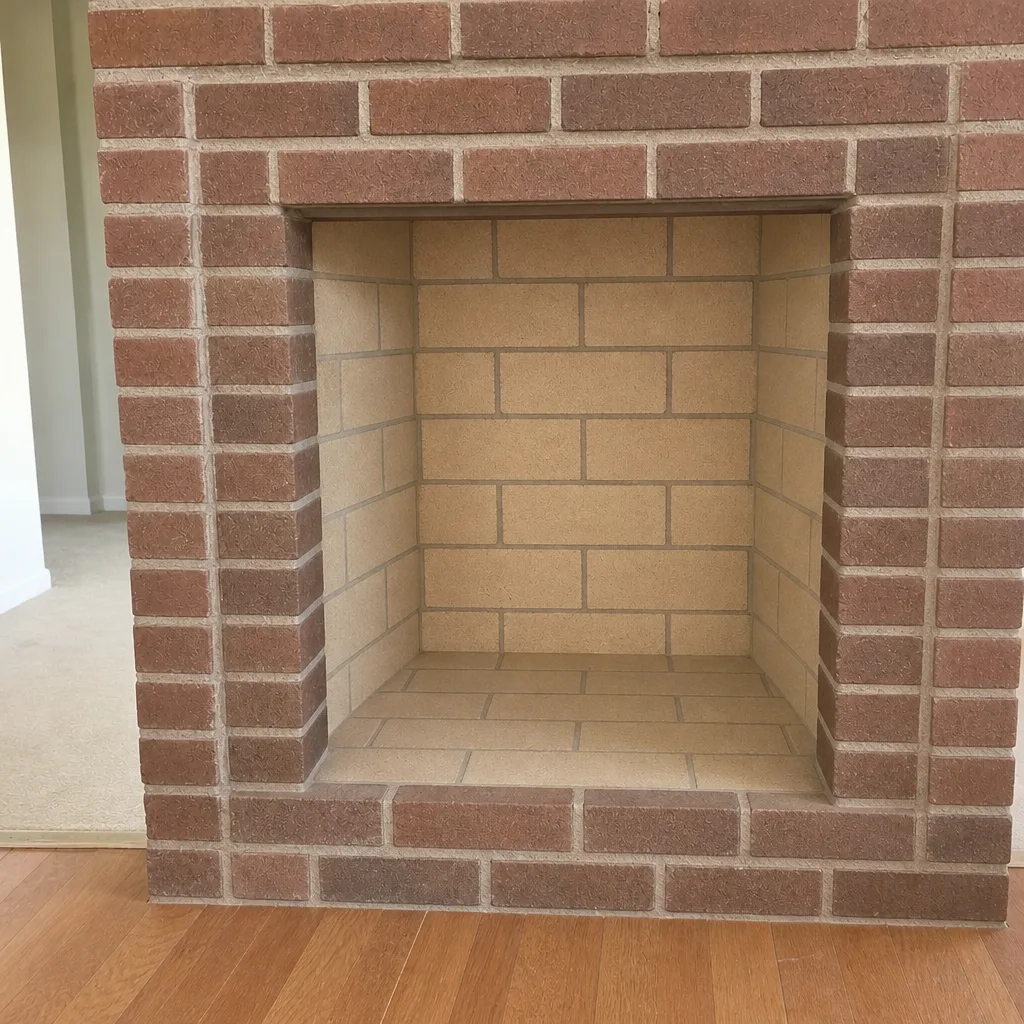
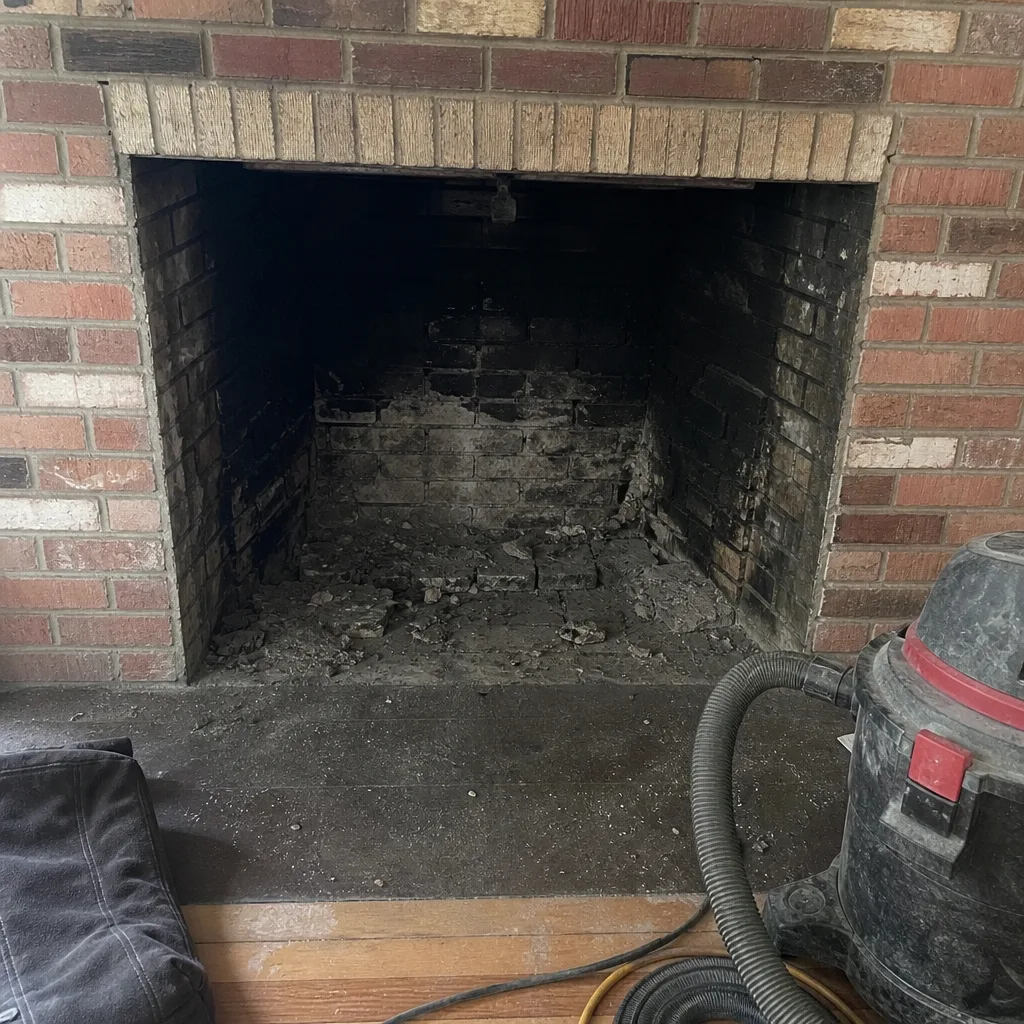
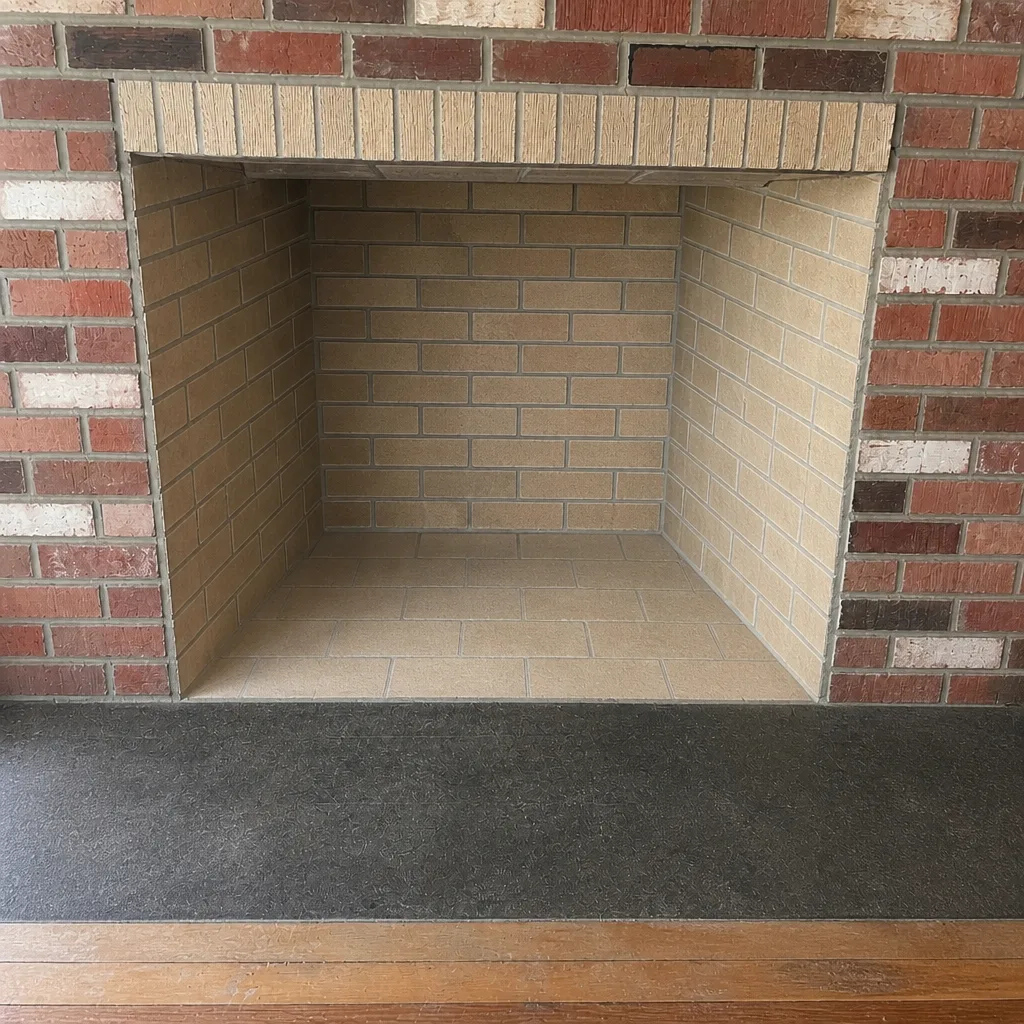
See the difference
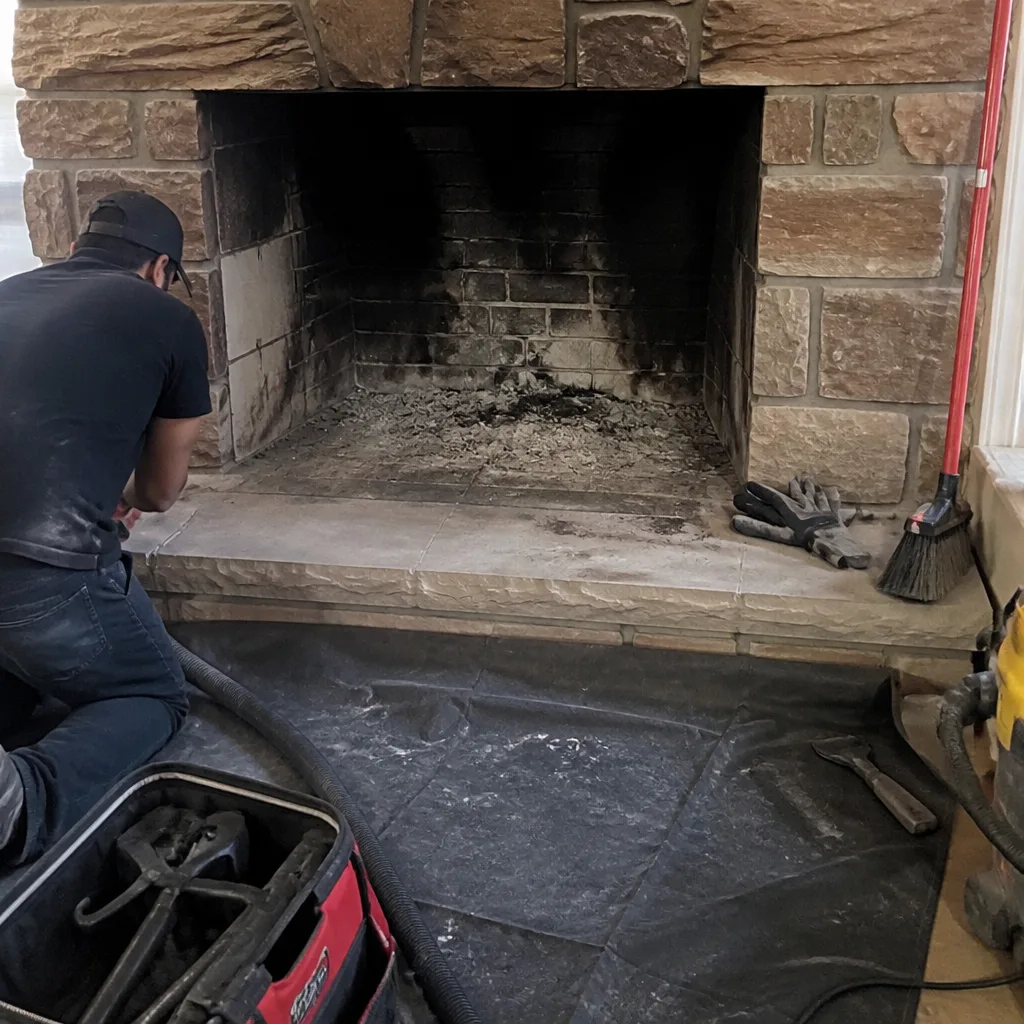 Before
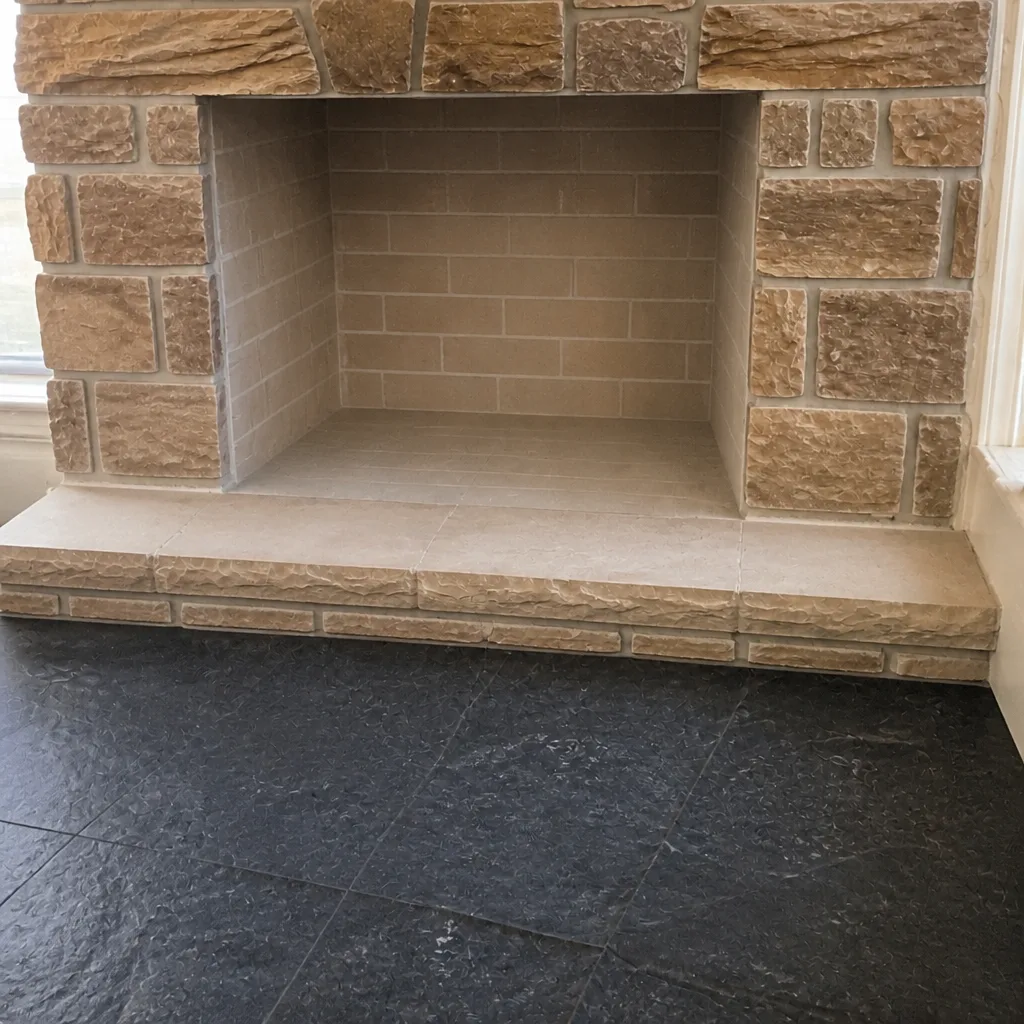 After
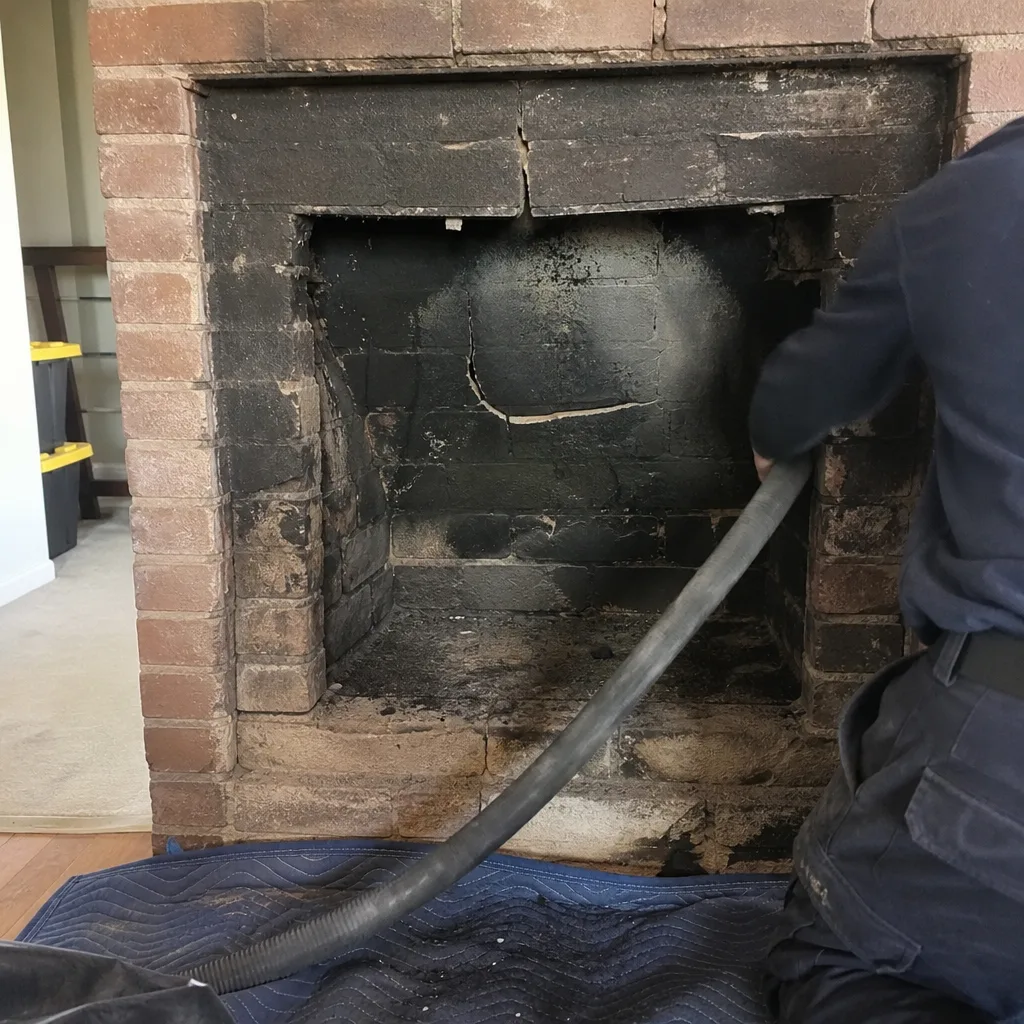 Before
 After
 Before
 After
When to Call a Professional
Book an appointment when you have any warning sign in the “keep burning but schedule it” group: mild soot, a faint damp-day smell, efflorescence without spalling, or a slow draft. Book it for before burning season if you haven’t had the chimney inspected since last winter. Stop using the fireplace and call immediately when you have an acrid smell with no fire burning, smoke entering the room, visible liner or firebox damage, spalling brick with interior staining, water coming in at the ceiling, or a gas insert showing soot or a lazy flame. Stop using the appliance if the smell is exhaust with a gas insert; have it inspected and don’t run it until it’s clear. Chimney Sweep Washington Park offers free estimates in Washington Park. Call (833) 482-5684. We answer 24/7. Fast dispatch from 7am to 7pm, Sunday through Friday. A call outside dispatch hours is booked into the next opening, Sunday through Friday, 7am to 7pm. The local pro who arrives is licensed and insured as the state requires, and you’ll get a written estimate before any work begins.
Frequently Asked Questions
Once a year for a home with a working wood-burning fireplace, and more often if you burn frequently or notice any warning sign between sweeps. Washington Park’s freeze-thaw cycle makes a fall inspection the right rhythm: it catches crown and cap wear before the first hard freeze, and it clears creosote before the heating season. Call (833) 482-5684 for an exact quote on a sweep and inspection. Estimates are free.
Not necessarily, but book an inspection and don’t wait a full season. Efflorescence means water is moving through the masonry, and the freeze-thaw cycle is already working on it. Stop using it if you also see spalling brick, interior staining, or a damp patch, because those point to structural damage rather than surface damp. Call (833) 482-5684 for an inspection. Estimates are free.
It usually means creosote buildup on the flue walls is off-gassing, or the flue is pulling cold air down and pushing soot smell into the room. A strong acrid smell ranks higher on the priority list than a faint smoky one; if it’s sharp, stop using the fireplace until it’s inspected. Either way, book a sweep and inspection. Call (833) 482-5684. We answer 24/7. Fast dispatch from 7am to 7pm, Sunday through Friday.
Yes, and this is where most guides miss. Gas inserts fail on venting and combustion rather than creosote. Soot on the glass or logs, a lazy yellow flame, condensation inside the firebox, or a persistent exhaust smell all mean the insert needs inspection. Stop using a gas insert if you smell exhaust. Call (833) 482-5684 for an inspection. Estimates are free.
A cleaning issue is a flue with creosote or soot buildup; a sweep fixes it. A repair issue is a crown, cap, masonry, liner, or firebox problem; a sweep finds it but a repair scope fixes it. The way to tell is with a camera inspection: if the liner, crown, or masonry shows damage, it’s a repair. That’s the point of the inspection. Call (833) 482-5684 to schedule one. Estimates are free.
Yes, and it’s the most useful thing you can do before the appointment. Photograph the exterior of the chimney, the firebox and damper, and any interior staining, then note when each was first seen and what conditions it appeared in. The technician can match your photos to the camera inspection and to the conditions in the house. That saves a return trip. Call (833) 482-5684 to book. Estimates are free.
The Bottom Line
Chimney warning signs are information, not problems to be covered over. Efflorescence, spalling brick, brown ceiling stains, and odors all map to something specific: moisture in the masonry, freeze-thaw damage, flashing failure, or creosote. The skill is in knowing which signs mean “book a sweep” and which mean “stop burning and call.” A camera inspection turns the symptoms into a diagnosis you can see for yourself. Washington Park’s early freeze-up compresses the timeline, so a fall inspection is the right rhythm. Our technicians have up to 12 years of experience, and we diagnose before we recommend. Call (833) 482-5684 for a free estimate. We answer 24/7. Fast dispatch from 7am to 7pm, Sunday through Friday. If you’re starting with the basics, the team at Chimney Sweep Washington Park is ready to help.
Written by the team at Chimney Sweep Washington Park.