
Last updated November 24, 2026
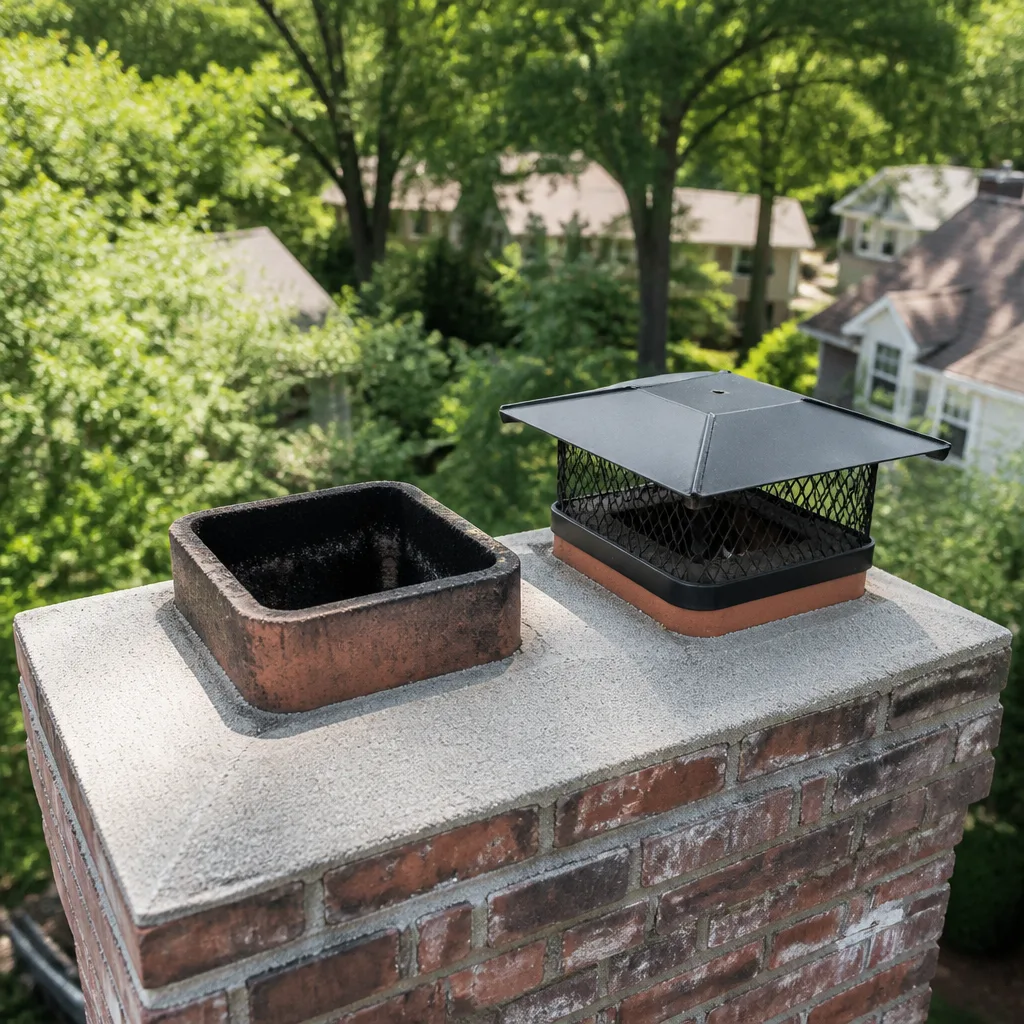 Sweep & inspection
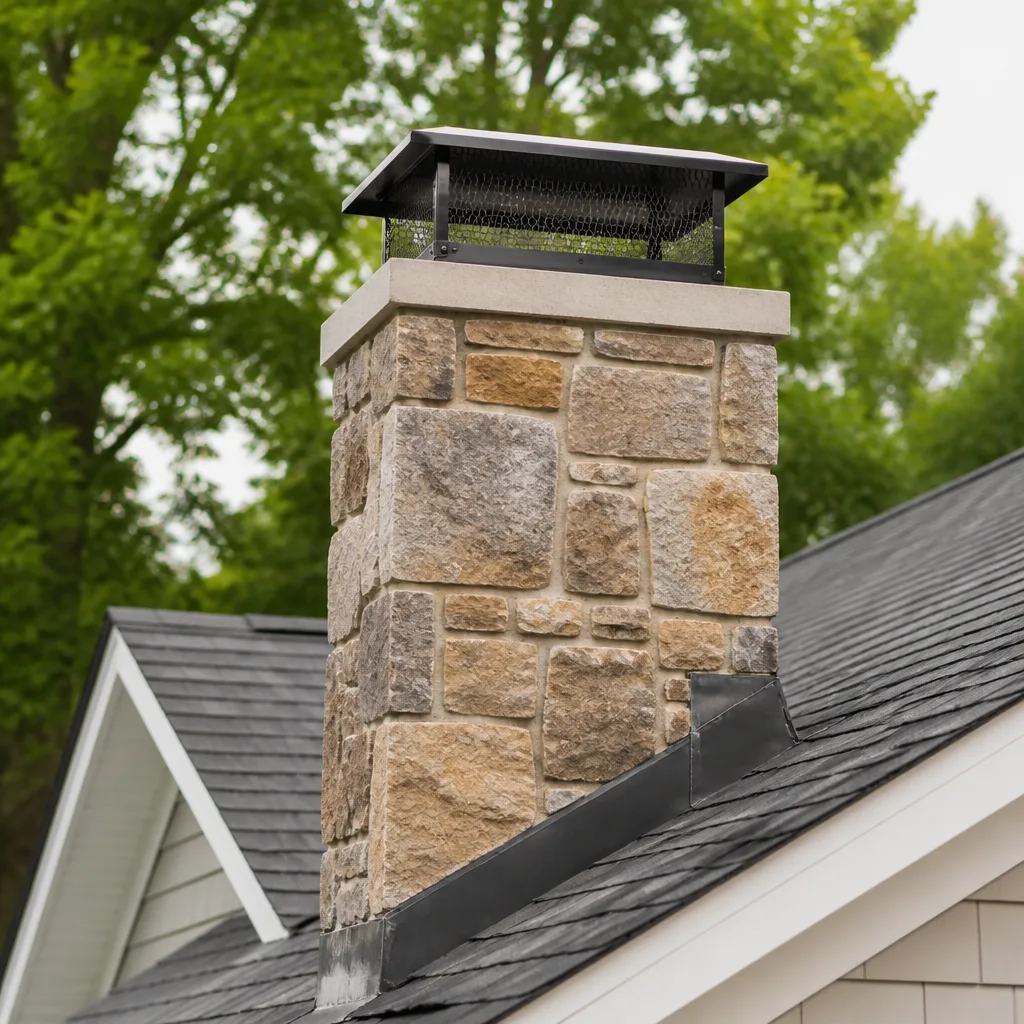 Caps & crowns
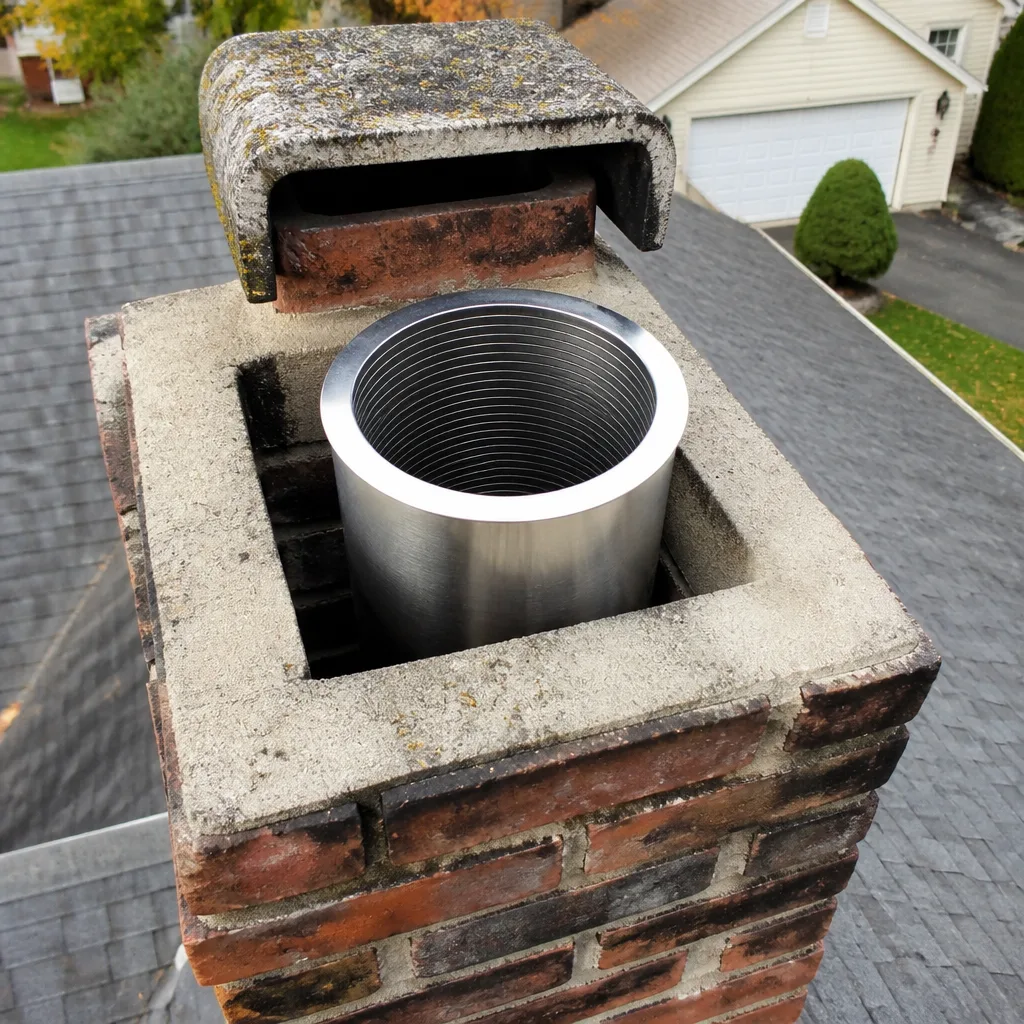 Flue relining
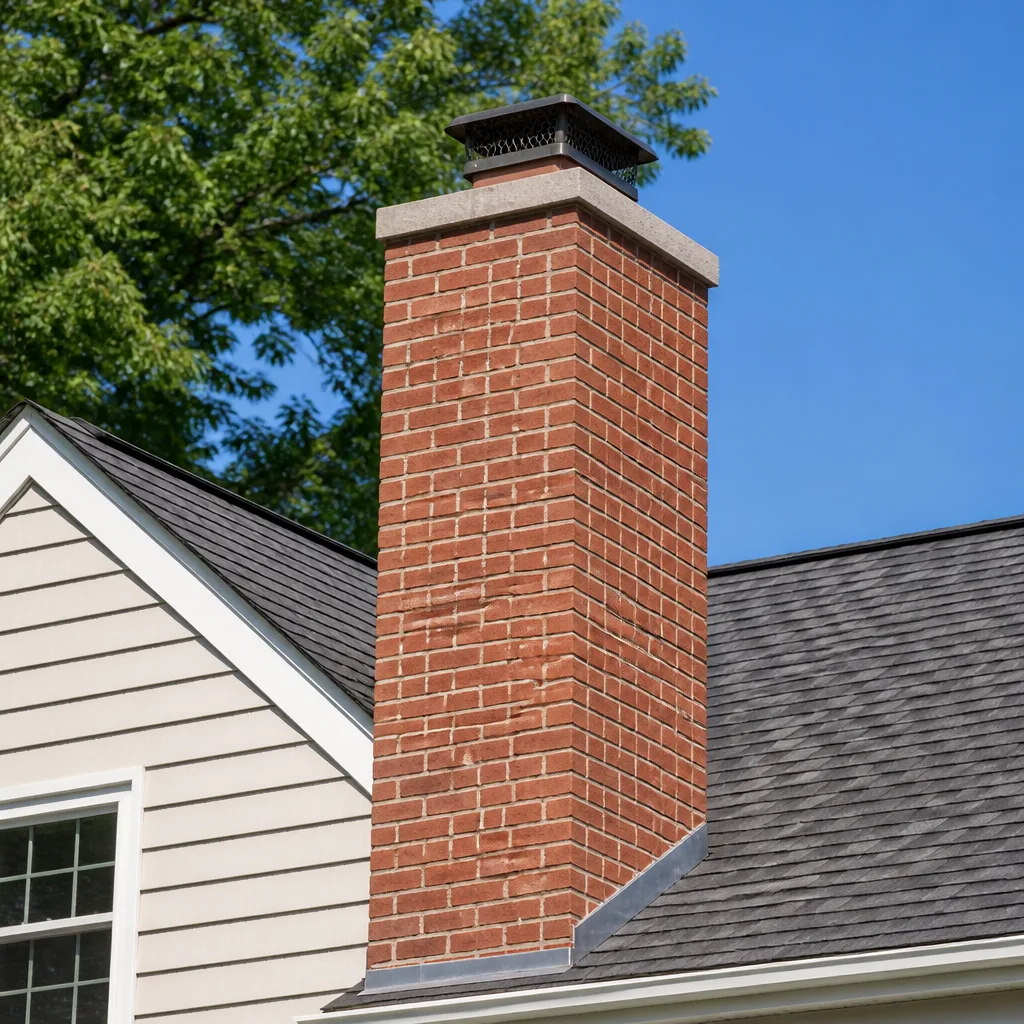 Masonry repair
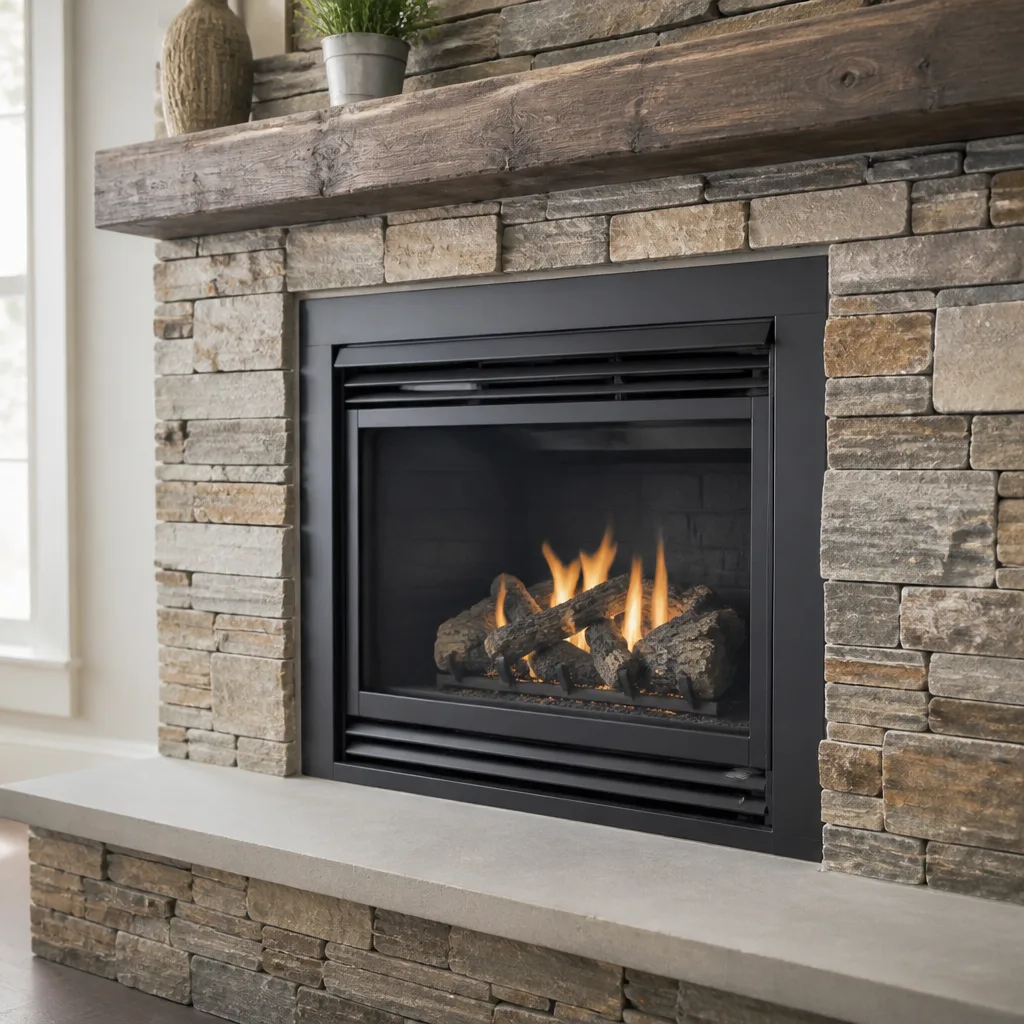 Gas fireplace service
Level 1 sweep and inspection to the NFPA 211 annual standard - flue, crown, cap, and flashing checked and photographed
Chimney sweep logs do not sweep chimneys. They loosen some creosote - which then falls where a brush and vacuum still have to collect it.
DIY vs Professional Chimney Cleaning: The Washington Park Homeowner’s Decision Guide
Chimney brushes and flexible rods are sold at every hardware store around Denver, and they work. A homeowner with a straight flue and a little patience can knock loose creosote off the walls of a chimney, and the flue will look cleaner afterward. Here’s the problem nobody at the hardware store mentions: a brush cleans the surface it touches. It doesn’t tell you whether the clay tile behind that surface has a hairline crack, whether your crown is failing where you can’t see it, or whether your flashing has been quietly letting water into the masonry for two seasons. This guide walks through what’s genuinely doable yourself, what isn’t, and how to sequence both so a clean flue never hides a compromised system, in Washington Park and anywhere else.
Quick Answer
DIY chimney cleaning is a reasonable choice only when you have a single-story, straight flue, a liner that was recently inspected and confirmed sound, and only light, fluffy Stage 1 creosote to remove. For most Washington Park homeowners, professional cleaning plus an annual inspection is the better call, because the inspection catches liner cracks, crown damage, flashing failure, and smoke chamber problems that no brush can reveal. The cleaning is the easy part. The diagnosis is what you’re actually paying for.
Styles & brands we work with
- Sweep & inspection
- Caps & crowns
- Flue relining
- Masonry repair
- Gas fireplace service
Table of Contents
- What DIY Chimney Cleaning Can Actually Accomplish
- What No Brush Can Tell You: The Diagnostic Gap
- Why Washington Park’s Older Homes Shift the Risk
- DIY vs Professional: A Realistic Cost Comparison
- Insurance and Liability: How DIY Maintenance Affects a Claim
- The Hybrid Approach: How to Sequence DIY and Professional Work
- Understanding Creosote Stages (and Why It Matters)
- Common Mistakes to Avoid
- When to Call a Professional
What DIY Chimney Cleaning Can Actually Accomplish
Let’s be honest about what a homeowner can do well. Brushing a chimney is a physical task, and for the right chimney it’s a manageable one. The tools are inexpensive, the technique is learnable, and the result is real. Light creosote that has the texture of flaky soot or dry popcorn comes off with a standard poly brush and a set of rods.
The conditions where DIY brushing makes sense are specific enough that we can list them plainly:
- Single-story chimney access. You’re cleaning from the roof, and the roof is low-slope enough and safe enough to work on. A steep or fragile roof changes the equation immediately.
- A straight vertical flue. No offsets, no sharp bends, no smoke chamber gymnastics. Rods need a clear run.
- Confirmed Stage 1 creosote only. You know this because a professional inspection within the past year told you so, in writing.
- A liner that was recently verified sound. Clay tile, stainless, or a HeatShield-resurfaced flue that an inspector has already looked at with a camera.
- You have the right size brush. A brush that’s too large can crack tile; too small and it doesn’t contact the walls.
If all five are true, an interim brush-down between professional visits is defensible. What you’re doing is maintenance, not diagnosis. That distinction matters more than the cost savings. In Washington Park, where many homes have wood-burning fireplaces that see steady use through the heating season, a mid-season brushing on a confirmed-clean system can genuinely reduce creosote accumulation before the next professional sweep.
What DIY brushing is not: a substitute for the annual inspection, a way to catch structural problems early, or a valid reason to skip professional service entirely. A clean flue is not the same thing as a safe chimney.
What No Brush Can Tell You: The Diagnostic Gap
This is the heart of the DIY debate, and it’s the part most comparisons skip. A brush removes soot from the surfaces it can reach. Professional chimney service relies on tools a homeowner doesn’t own and can’t safely improvise: a chimney camera on a flexible reel, a smoke chamber mirror, a moisture meter, and the trained eye to know what deterioration looks like before it becomes a repair.
Here’s what a camera inspection reveals that brushing never will:
- Liner integrity. Clay tile liners crack with heat cycling. A cracked tile can vent combustion gases into the wall cavity or into adjacent flue channels. You cannot see a hairline crack from inside the flue with a brush; the camera sees it up close.
- Smoke chamber condition. The smoke chamber sits above the damper and below the flue, and it’s sloped in a way that traps creosote and soot. Brushing from the top doesn’t touch it. Camera work and proper smoke chamber tools do.
- Crown cracking. Crown cracks often start on the underside or along the bond line where the crown meets the flue, well below what you can see from the roof surface. A failing crown is the leading cause of chimney water damage, and it’s invisible from a casual look.
- Flashing integrity. Roof flashing seals the joint between chimney and roof. Failed flashing lets water in behind the masonry, and the damage shows up as efflorescence, spalling brick, or interior staining long before it’s obvious on the roof.
- Flue size and shape problems. Oversized or irregular flues draft poorly. A camera and measurement tell you whether your flue is the right size for the appliance you’re running.
In our experience, the most common finding on a first inspection of an older Washington Park chimney is not heavy creosote. It’s a crown that’s been cracked for years and a liner tile or two that are spalled. The flue was often brushed by the previous owner. The flue was clean. The system was not sound.
That’s the thesis in one line: a clean flue inside a structurally compromised chimney is the worst of both worlds, because it removes the visible warning signs of a problem while leaving the problem in place.
Why Washington Park’s Older Homes Shift the Risk
Washington Park is a neighborhood of older housing stock, and that changes the DIY calculation in ways that don’t apply to a 1990s subdivision out in the suburbs. The neighborhood’s bungalows, Tudors, and early twentieth-century two-stories were built when masonry chimneys were standard and when construction methods varied more than they do today. Original tile liners in these homes have been through decades of heating and cooling cycles, and many have been patched, relined, or covered over at some point without documentation.
What does that mean for a homeowner considering DIY cleaning?
- Unknown liner history. If you don’t know when the liner was last inspected, you can’t assume it’s sound. That alone disqualifies the DIY path under the conditions we listed above.
- Original construction variations. Washington Park chimneys were built by many different masons over many decades. Some have offsets. Some have unlined smoke chambers. Some have flue tiles that were set with mortar that’s since degraded.
- Years of accumulated repairs. A chimney that’s been capped, relined, or had its crown patched by a previous owner carries that history invisibly. A camera inspection is the only way to know what you’re working with.
- Wood-burning use. Many Washington Park homes still burn wood regularly through the heating season, which means creosote accumulation is a real ongoing concern, not a theoretical one.
If you own a newer home in the neighborhood with a documented stainless liner and a recent inspection, your DIY risk tolerance can reasonably be higher. If you own a 1920s bungalow with a chimney of unknown history, the math changes. Our Chimney Sweep Washington Park team sees both, and the pattern is consistent: the older the chimney, the more the inspection matters relative to the cleaning.
DIY vs Professional: A Realistic Cost Comparison
The usual framing is that DIY saves money. That’s partly true and partly an illusion, because the two options don’t deliver the same thing. DIY delivers a brushing. Professional service delivers a brushing plus a documented inspection plus a diagnosis. Comparing the price of a brush to the price of a sweep is comparing a tool to a service.
A more honest comparison looks like this:
- DIY brushing (confirmed-clean system): The cost of rods and a brush, plus your time on the roof, plus the roof-access risk. No documentation, no diagnosis.
- DIY brushing on an uninspected system: The same cost, but with the risk that you’re cleaning a flue that needs repair and don’t know it.
- Professional sweep with inspection: A per-job price set by written estimate, and a report you can use for insurance, resale, or your own records.
- Professional inspection alone: A standalone service, useful when you want documentation without a cleaning.
We don’t publish flat rates because chimney work varies too much by flue condition and access, and quoting a number that isn’t real wastes your time. The written estimate sets the price for every job. For homeowners who want documentation without committing to a repair, we offer chimney inspection as a standalone service. That report is often the cheapest way to answer the DIY question honestly: it tells you whether your flue is one of the safe-to-brush cases or not.
The cost math gets more interesting when you weigh it against what a missed problem costs. A crown that could have been sealed with a repair becomes a masonry rebuild. A cracked tile that could have been resurfaced with HeatShield becomes a full liner replacement. The inspection isn’t a cost on top of the cleaning. It’s the thing that keeps the cleaning from becoming a false sense of security.
Insurance and Liability: How DIY Maintenance Affects a Claim
This is the part of the DIY conversation that almost nobody covers, and it’s worth a straight answer. Homeowner’s insurance policies generally expect that a chimney has been maintained, and many ask for documentation of professional service when a chimney fire claim is filed. What “documentation” means varies by carrier and by policy, so the honest answer is: read your own policy and ask your agent specifically what they’d want to see after a chimney fire.
What we can say with confidence is that a professional sweep produces a written record, and DIY cleaning doesn’t. If a chimney fire happens after a season of DIY brushing, you may be asked to show that the chimney was maintained, and the absence of any service record makes that conversation harder. That’s not a scare tactic. It’s how claims adjusters work, and it’s the sort of thing you want to know before the event, not after.
The other liability angle is more direct. If you sell a Washington Park home and the buyer’s inspector flags the chimney, a documented inspection history is an asset. A DIY-only maintenance history is a blank page. In a neighborhood where home inspections are thorough and buyers ask questions, documentation has real value.
We’re not telling you DIY cleaning voids your policy, because that depends on your policy and we don’t write it. What we’re saying is that the cost of professional service buys you something insurance conversations tend to reward: a paper trail.
The Hybrid Approach: How to Sequence DIY and Professional Work
The most sensible arrangement for most Washington Park homeowners isn’t all-DIY or all-professional. It’s a hybrid: professional inspection and sweep as the foundation, with interim DIY brushing on a system that’s already been confirmed sound. Here’s how to sequence it.
- Start with a professional inspection. Have the whole system looked at with a camera: liner, smoke chamber, damper, crown, flashing, cap. Get the report in writing.
- Have the first sweep done professionally. It removes the creosote that’s there and confirms the flue is clean and clear, and it establishes the baseline.
- Address any repairs the inspection found. Cracks in the crown, failing flashing, a compromised cap, or liner damage. We use Gelco caps and crowns, Olympia Chimney components, and HeatShield resurfacing where the flue is a candidate, so the repair is made with named, warrantable materials rather than anonymous stock.
- If the system is confirmed sound, brush it yourself mid-season. Once a year at most, with the right brush, from a safe roof position, on a straight flue.
- Return to the professional sweep annually, or whenever anything changes. A change in smoke smell, a new draft problem, visible spalling on the exterior, or water staining near the chimney are all reasons to move the inspection up.
The logic behind this sequence is simple. The inspection is what makes DIY safe. Without a recent inspection, DIY is a guess about the condition of the flue you’re brushing. With one, you’re brushing a chimney you actually know the condition of. The professional chimney sweep is the annual event that keeps that knowledge current.
If the inspection turns up crown or cap issues, the fix belongs on the repair side of the ledger, and we handle it under chimney cap & crown service. If it turns up firebox, damper, or hearth problems, that’s handled through fireplace repair. The point of the hybrid model is that the inspection catches these before the DIY-able cleaning becomes irrelevant.
Understanding Creosote Stages (and Why It Matters)
Not all creosote is the same, and the difference is the single most important factor in whether a brush will help. Creosote forms in three stages, and the stage determines the tool, the cost, and the safety risk.
- Stage 1: Sooty, flaky, or popcorn-like. This is the fresh deposit that forms from ordinary wood burning. A standard brush removes it. This is the only stage a homeowner can realistically handle, and only on a confirmed-clean flue.
- Stage 2: Hard, shiny, and crusty. This is creosote that has been through some heat and hardened. A brush skates over it. Professional rotary cleaning or chemical treatment is needed, and it can’t wait until the end of the season.
- Stage 3: Glazed, tar-like. This is the dangerous stage. It’s hard, dense, and burns hot when it ignites. It doesn’t come off with a brush at all. It needs professional removal, and it’s the main reason chimney fires happen.
This is why the brush-down question is inseparable from the inspection question. A homeowner can’t reliably tell Stage 1 from Stage 2 from inside the firebox, and Stage 3 hides behind whatever surface layer the brush pushes aside. A camera inspection shows it. A brush doesn’t.
Burning seasoned wood with low moisture content slows creosote buildup, and so does avoiding smoldering, low-oxygen fires. Those habits reduce the amount of Stage 1 you create. They don’t eliminate the need to check. In a Denver-area climate with long, cold winters, a Washington Park fireplace can accumulate a season’s worth of creosote faster than a homeowner expects, which is why the professional sweep stays on the annual calendar even in a hybrid arrangement.
Common Mistakes to Avoid
- Cleaning without inspecting first. A brushed flue with a cracked liner is more dangerous than a dirty one, because the visible warning is gone. Inspect before you brush.
- Using an oversized brush on clay tile. A brush that’s tight enough to “really get it clean” can crack older tile. The right size is snug but not binding.
- Cleaning from the roof without a stable footing. Roof work is the reporting injury in this trade, and a fall is worse than any creosote problem. Don’t do it in wet or icy conditions.
- Assuming “we’ve never had a problem” means the chimney is fine. Chimney problems hide. A quiet season is not an inspection.
- Ignoring the crown and cap. These are where water gets in, and water is what destroys masonry chimneys fastest. A missing or cracked cap and a failing crown are the leading causes of water damage, and they’re roof-side, not flue-side.
- Brushing after a Stage 2 or Stage 3 buildup. Hard and glazed creosote won’t come off with a brush, and the attempt can look successful while leaving the dangerous layer in place.
- Skipping the professional sweep to save money in a home with unknown chimney history. That’s exactly the case where the inspection is worth the most.
When to Call a Professional
Call a professional when any of these are true: you don’t have a written inspection from the past year, your chimney is on an older Washington Park home with unknown liner history, you’ve seen glazed or tar-like creosote, your smoke chamber is unlined, your crown or cap is visibly damaged, you see smoke coming from anywhere other than the flue, or you’ve had a chimney fire of any size. Those conditions move you from the DIY-appropriate category into the professional-service category, and they do so for good reason.
We also recommend calling if the roof is steep, the flue has offsets, or the access doesn’t feel safe. Our technicians have up to 12 years of experience, and the vetted local professionals we connect you with are licensed and insured as their state requires. Chimney Sweep Washington Park offers free estimates in Washington Park. Call (833) 482-5684. We answer 24/7. Fast dispatch from 7am to 7pm, Sunday through Friday.
See the difference
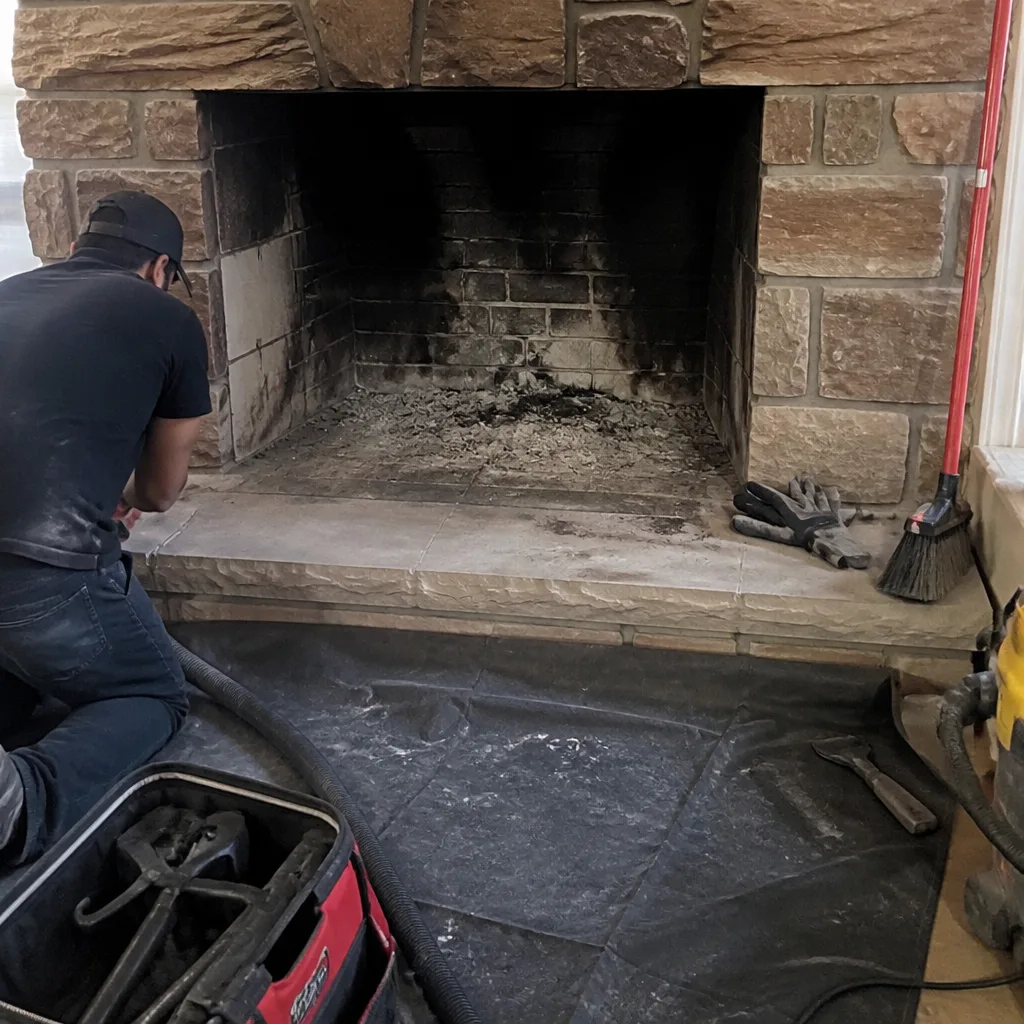 Before
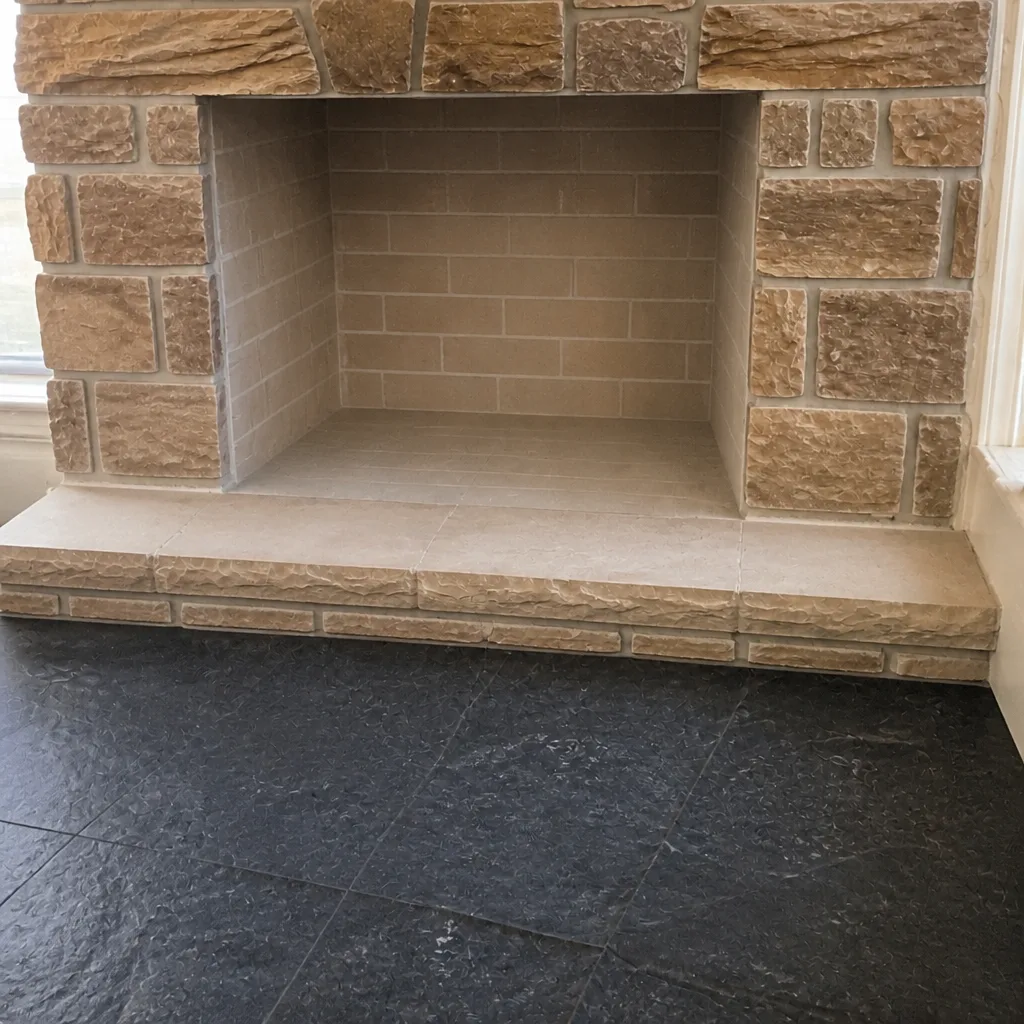 After
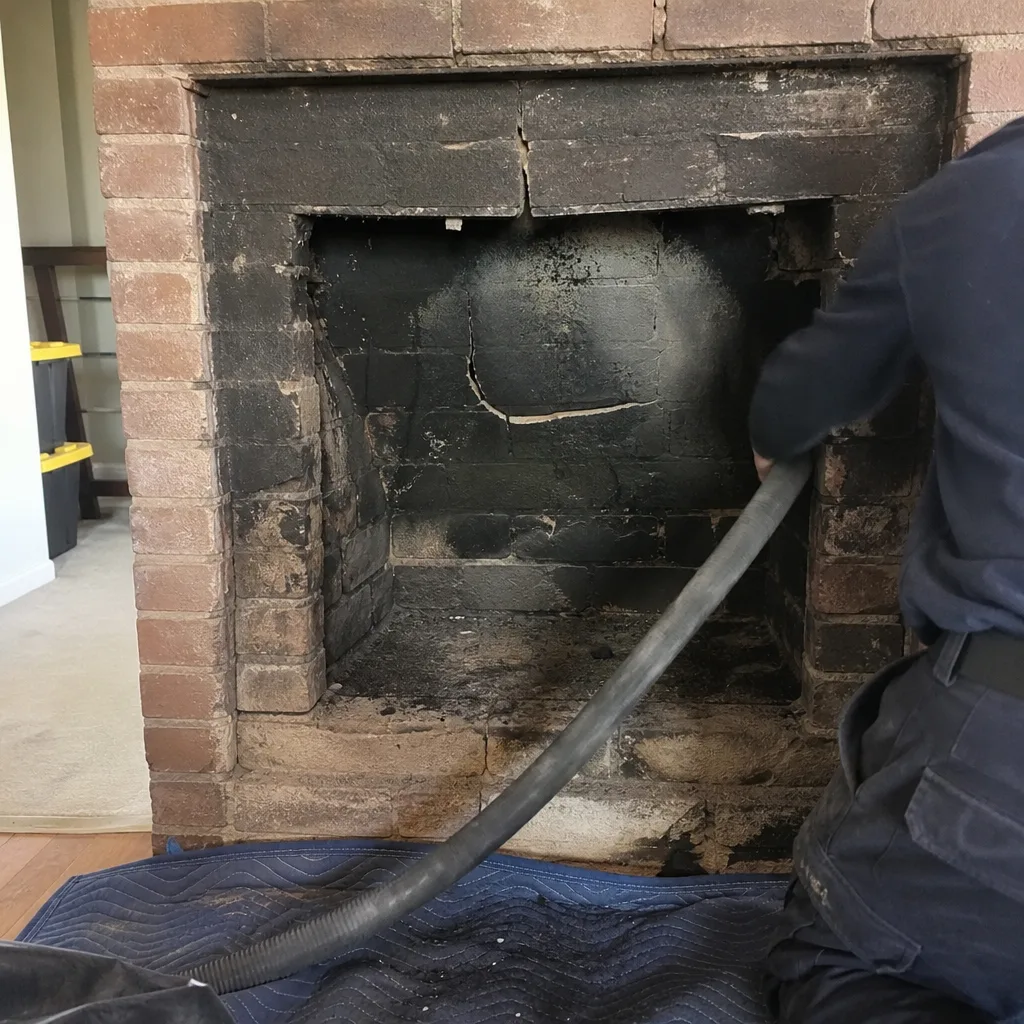 Before
 After
 Before
 After
Frequently Asked Questions
Pricing is set per job by a written estimate, so it depends on the flue, the creosote stage, access, and whether repairs come up. That’s not a dodge. A straight flue with light creosote and a clean report is a very different job from an offsest flue on a 1920s house with a glazed liner. The estimate is free, and the written price is what you pay. Call (833) 482-5684 for an exact quote.
Only if the liner is actually compromised, and you should be able to see the evidence yourself. A cracked tile, a spalled section, or a flue that’s failed a camera inspection are real reasons. A flue that’s intact but has minor surface wear often can be resurfaced with HeatShield instead of replaced outright, which is a repair many single-service sweeps can’t offer. Never accept a liner recommendation you can’t watch on camera. Call (833) 482-5684 and we’ll walk you through what the camera shows.
Once a year for most actively used wood-burning fireplaces, and more often if you burn heavily or notice creosote buildup. Gas fireplaces need less frequent sweeping but still need inspection, because venting and debris issues don’t wait for a dirty flue. If the chimney has never been inspected, that’s the first appointment, not the sweep.
The risk is a chimney fire or carbon monoxide exposure, and neither announces itself. Creosote in the flue is the fuel for a chimney fire, and a cracked liner or blocked flue is a path for combustion gases to enter the home. The danger isn’t the smoke you can see; it’s the layer of glazed creosote you can’t. Call (833) 482-5684 for a professional eye on it, and the estimate is free.
Yes, if the liner was recently inspected and confirmed sound, the flue is straight, and the creosote is Stage 1 only. A stainless liner is more forgiving of brushing than clay tile. But you still need the annual inspection to confirm the liner and the rest of the system, and you still need to know the creosote stage before you start. Call (833) 482-5684 if you want a baseline inspection to make that decision safely.
It can, because insurers often ask for documentation of professional maintenance after a chimney fire claim. DIY cleaning produces no service record. Read your policy and ask your agent exactly what they’d want to see. We can provide the inspection documentation insurance conversations usually ask for. Call (833) 482-5684 to schedule an inspection.
The Bottom Line
Brushing a chimney is a task. Knowing whether the chimney should be brushed, and whether the flue under the brush is sound, is the job. Those are different things, and the gap between them is what this guide is about. A homeowner on a confirmed-clean, straight-flue, single-story chimney can do interim brushing and save money. Everybody else should start with a professional inspection, use the report to decide what’s safe, and treat the annual sweep as the anchor of a maintenance routine rather than an optional expense. In Washington Park, with its older housing stock and unknown liner histories, that starting point matters more than it does in a newer neighborhood. The goal isn’t a clean flue. It’s a chimney you actually know the condition of.
Contact
If you’re ready to know what’s actually going on with your chimney, call Chimney Sweep Washington Park at (833) 482-5684 for a free estimate. We use named, warrantable materials from the firebox to the crown, and we diagnose before we recommend. We answer 24/7. Fast dispatch from 7am to 7pm, Sunday through Friday.
Written by the team at Chimney Sweep Washington Park.