
Last updated November 24, 2026
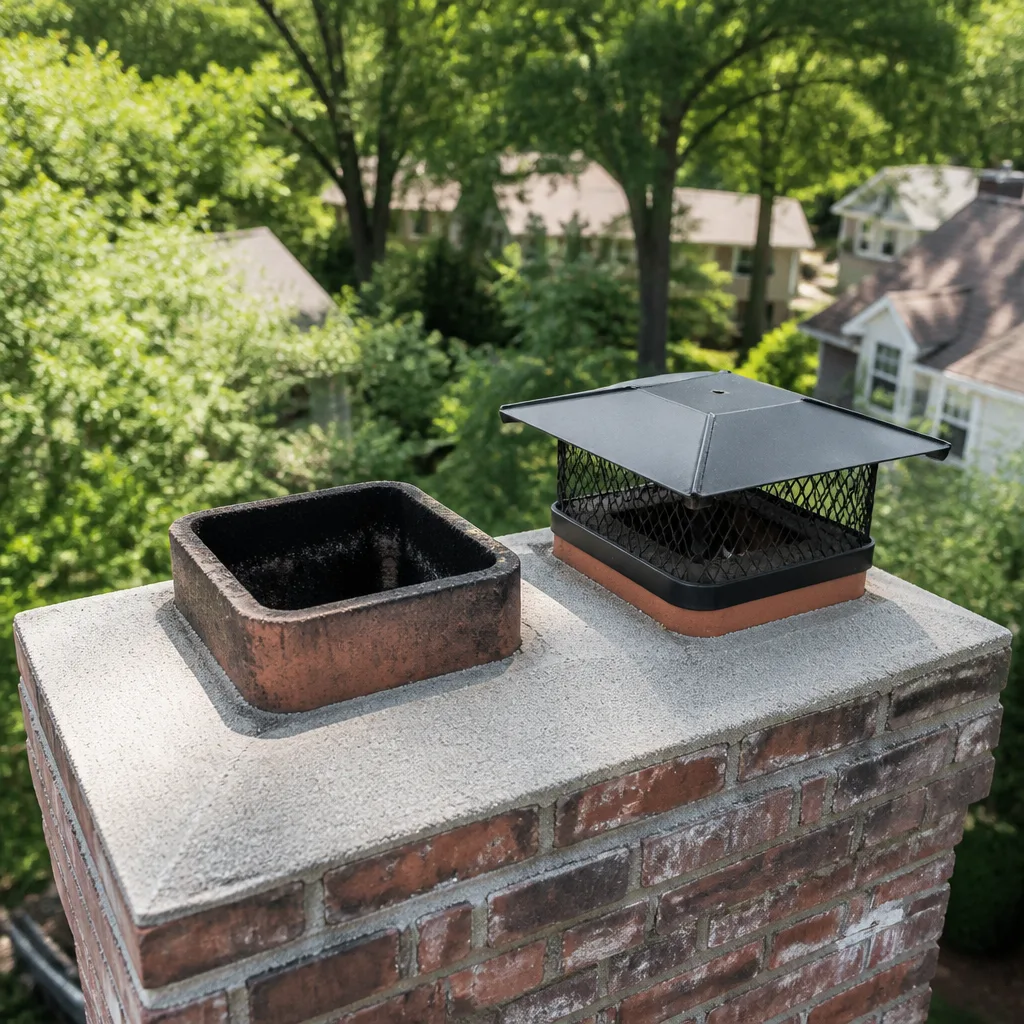 Sweep & inspection
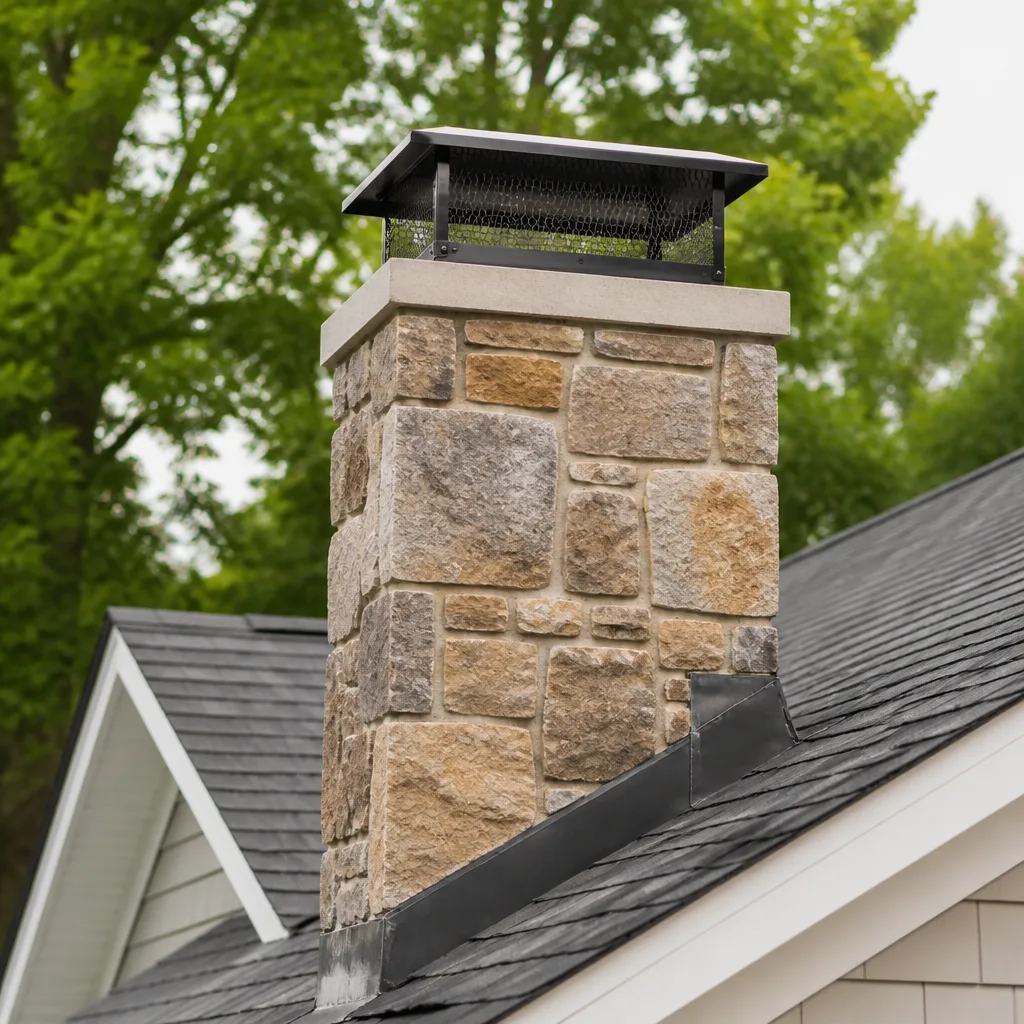 Caps & crowns
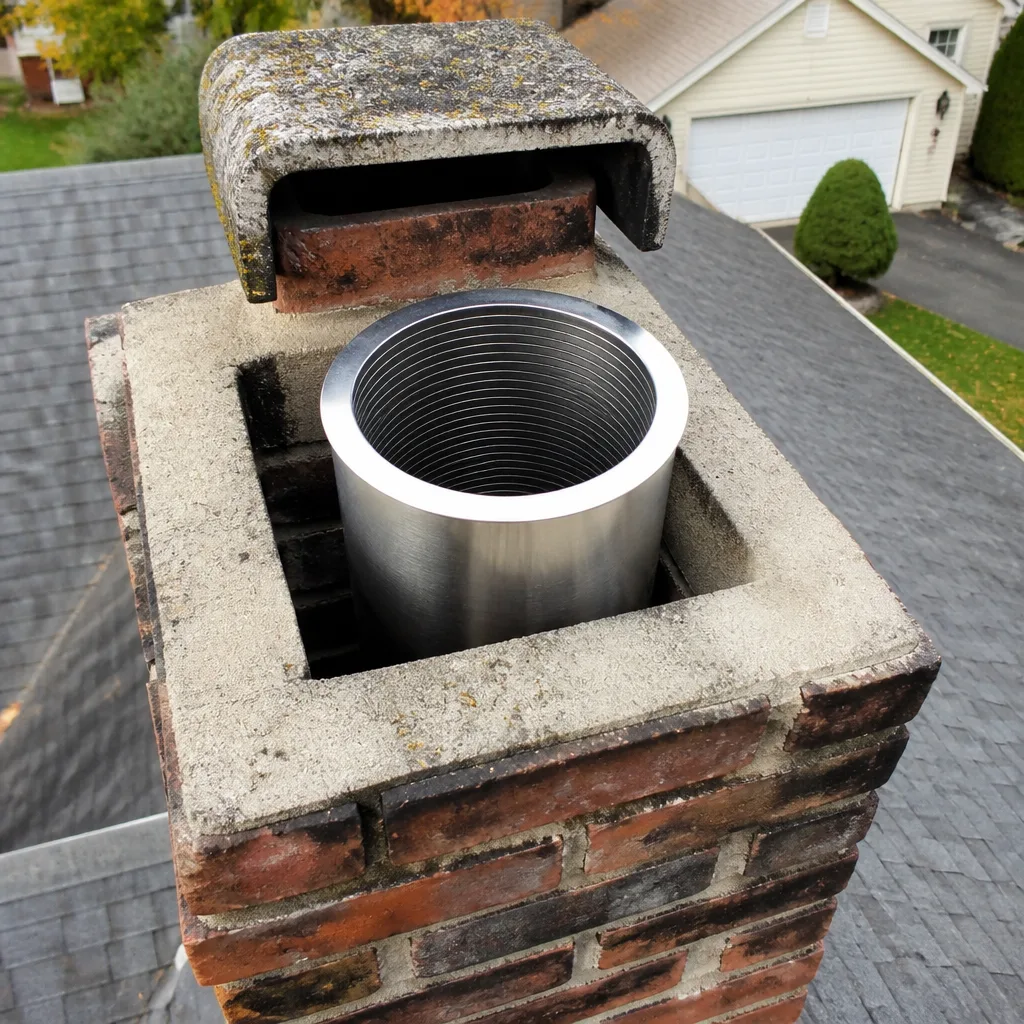 Flue relining
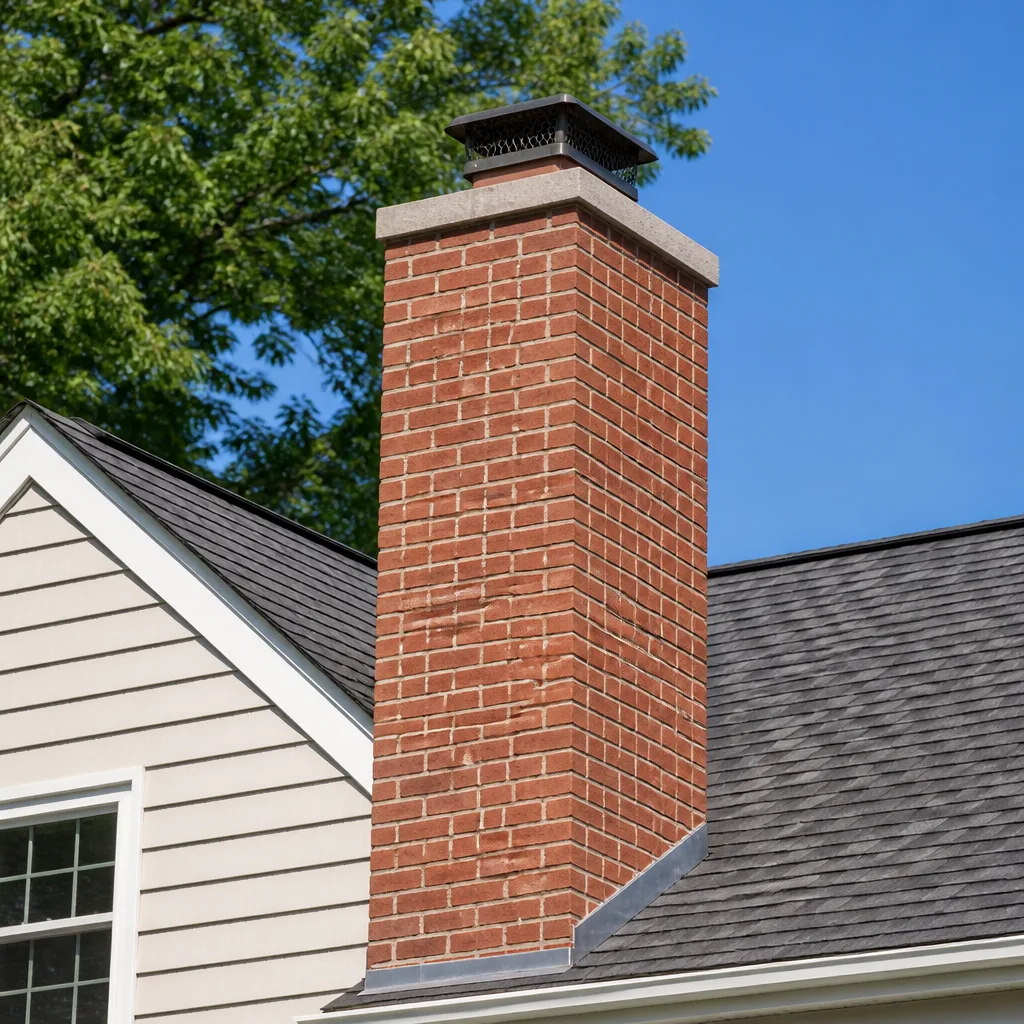 Masonry repair
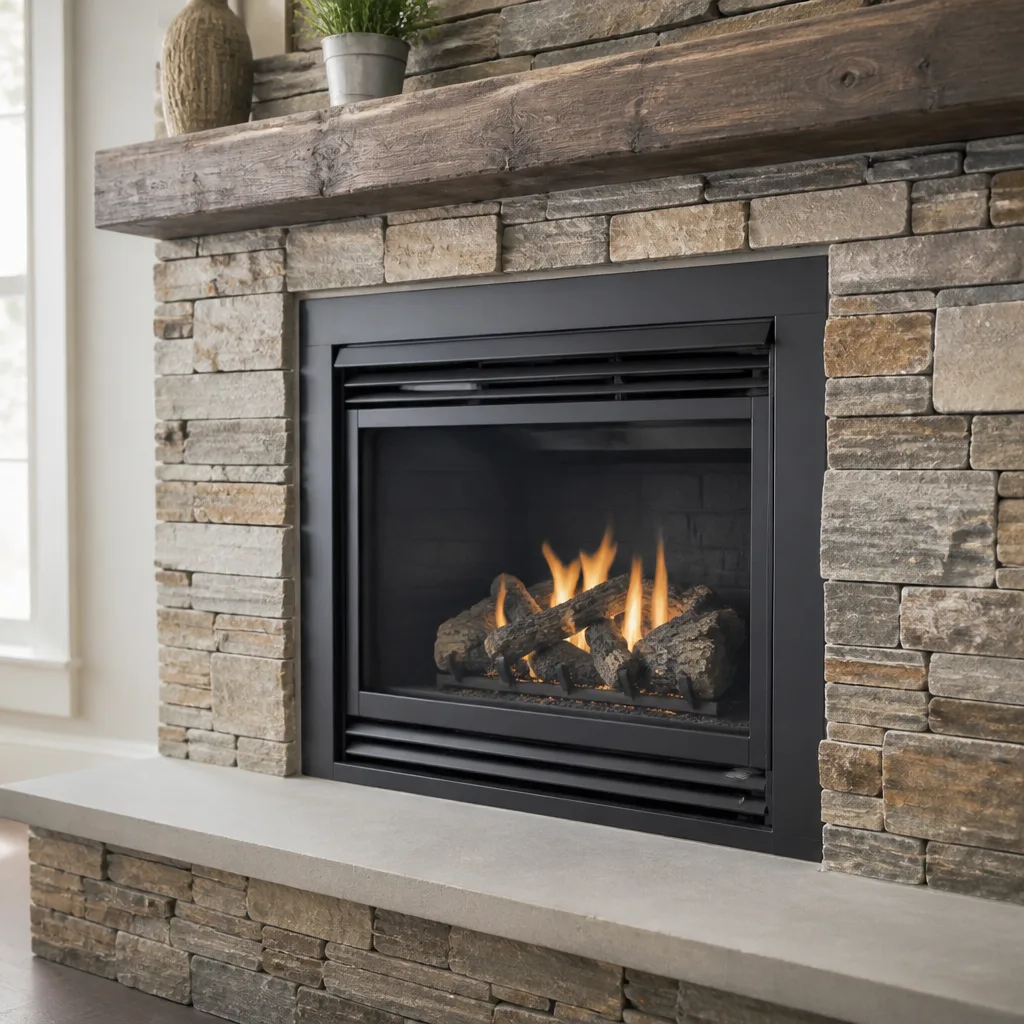 Gas fireplace service
Level 1 sweep and inspection to the NFPA 211 annual standard - flue, crown, cap, and flashing checked and photographed
Chimney sweep logs do not sweep chimneys. They loosen some creosote - which then falls where a brush and vacuum still have to collect it.
Seasonal Chimney Cleaning Care for Washington Park: Year-Round Homeowner’s Guide
Here’s the counterintuitive part about chimney damage in Colorado: the most expensive repairs we see were set in motion by summer, not winter. Water works on brick and mortar in slow motion. Every monsoon cycle that lands on a cracked crown or an open flue top pushes a little more moisture into the masonry, and by the time the first fire of the season touches that wall, the spalling is already happening. Winter gets blamed for what July and August started. In this guide we’ll walk you through the four distinct stress phases a Washington Park chimney actually goes through, why “sweep once a year” misses the point, and how to time each piece of care so the work you pay for matches the season that created the problem.
Quick Answer
Seasonal chimney care in Washington Park follows four phases, not two: a spring post-use sweep and inspection once the last fire is out, summer waterproofing and cap and crown checks ahead of the monsoon season, a fall pre-use inspection before the first sustained cold snap, and winter attention to draft, flue condensation in sub-10°F cold, and carbon monoxide monitoring. The single most cost-effective move is keeping water off the masonry crown and cap all summer, because that’s where the majority of structural damage begins.
Styles & brands we work with
- Sweep & inspection
- Caps & crowns
- Flue relining
- Masonry repair
- Gas fireplace service
Table of Contents
- Why Washington Park Chimneys Need a Four-Season Care Calendar
- Spring: Sweep After the Last Fire, Not Before the First
- Summer: The Moisture Season That Decides Your Winter
- Fall: Pre-Season Prep and What “Ready to Use” Actually Means
- Winter: Draft, Condensation, and Carbon Monoxide Watch
- When Two Appliances Share a Flue
- Gas Fireplace Owners Aren’t Off the Hook
- What Seasonal Chimney Care Typically Costs in Washington Park
Why Washington Park Chimneys Need a Four-Season Care Calendar
The standard advice you’ll hear is “use it in winter, clean it in the off-season.” That’s a two-season frame, and it misses half the damage. A masonry chimney in Washington Park is under continuous mechanical stress from the weather, and that stress arrives in stages. Spring brings freeze-thaw cycles that pry at mortar joints. Summer brings concentrated moisture from monsoon storms. Fall brings the first hard temperature swings. Winter brings the sustained cold that drives flue condensation and pushes a drafting system to work harder than it has in months.
The older housing stock around Washington Park amplifies this. Many homes here were built with brick that has seen a lot of weather, and the cement-based mortar that held up in decades of lighter winters gets tested differently now. A crack you can’t see from the ground opens a little wider with each freeze and thaw. Left alone through one summer, it becomes a soft spot in the flue wall you can feel with your hand.
That’s why we diagnose before we recommend. A seasonal framework isn’t a marketing invention – it’s the actual sequence in which damage occurs. When a homeowner calls in July because the ceiling stain appeared after a storm, the cause almost always traces back to an unsealed crown or a missing cap, not the rain itself. The rain just found the entry point that was open all along.
Here’s what a four-phase calendar looks like in practical terms:
- Spring: Post-season sweep, inspection for moisture damage, catch what winter did.
- Summer: Crown and cap and flashing inspection, waterproofing, seal against the monsoon window.
- Fall: Pre-use inspection, sweep if needed, verify the flue is clear and the damper functions.
- Winter: Draft checks, CO monitoring, awareness of condensation signs.
The framing matters because it tells you when to spend. A crown repair done in June costs far less than the masonry rebuild it prevents by the following spring. That’s the whole economic case for seasonal care, and it’s a case every masonry chimney in Washington Park shares.
Spring: Sweep After the Last Fire, Not Before the First
Most homeowners get this backward. They call for a sweep in October, right before they want to burn again, and assume that’s the responsible move. In practice, the best time to sweep is after the heating season ends and before the summer moisture arrives, because that’s when the creosote load is highest, the flue is driest, and any damage the winter caused is fresh enough to spot and document.
Creosote sitting in a flue all summer is creosote being worked on by humidity. Glazed creosote – the hard, shiny, higher-stage deposit that forms in a restricted-draft system – doesn’t improve with damp air. A spring sweep removes it while the weather cooperates, and it gives you a clean flue to inspect before the summer rain season begins. If a sweep happens in fall instead, you’ve allowed the deposits to sit through the exact months when moisture is most available to interact with them.
A March or April inspection is your best window into what your chimney actually looks like after a winter of use. What we’re checking for at that point:
- Water staining or efflorescence on the masonry – white, powdery deposits on brick that signal moisture is moving through.
- Spalling brick faces, where a chunk of the face has popped off and the softer interior is now exposed.
- Soft or crumbly mortar joints that a screwdriver tip can dig into, which is the freeze-thaw fingerprint.
- Rust or corrosion on the damper assembly, a strong indicator of condensation or water entry.
- Displaced or deteriorated flue tiles visible during the camera sweep.
- Interior staining at the smoke chamber and around the firebox, which can point to a gasket or crown issue higher up.
If the inspection turns up a flue that’s rough but structurally sound, resurfacing can be an option before a full reline becomes necessary. HeatShield application is a way to restore a damaged flue interior without the trench of a full liner tear-out, and it’s a repair path many single-service sweeps can’t offer. We use it where the flue condition calls for it and a full chimney sweep plus inspection confirms the diagnosis.
One more point on timing: this is a good stretch to book that spring visit. Our technicians have up to 12 years of experience, and we can typically get a sweep scheduled well within the season so it doesn’t crowd into the fall rush. The work is the same; the timing is what makes it smart.
Summer: The Moisture Season That Decides Your Winter
If you only read one section of this guide, read this one. Summer is the season that sets up the structural problems you’ll pay for later, and it’s the season most homeowners think about their chimney the least.
Colorado’s summer storm pattern delivers heavy, short-duration rainfall. A masonry chimney takes water from above through three entry points: the crown, the cap, and the flashing where the chimney meets the roof. Each of these has a different failure mode and a different fix.
- The crown is the cement top of the chimney. When it cracks, water finds the crack, sits against the brick below, and starts the freeze-thaw cycle as soon as temperatures drop. A cracked and unsealed crown is the leading cause of water-related chimney damage in masonry chimneys.
- The cap is the cover over the flue opening. When it’s missing, damaged, or incorrectly sized, rain moves straight down the flue, not just onto the outside. A cap that’s pulled loose by wind or degraded with age lets the interior get wet too.
- The flashing is the metal seal at the roofline. Failed flashing shows up as a roof leak near the chimney, and it’s easy to mistake for a roof problem until a chimney inspection traces the water path.
Crown and cap work is a named specialty for us, not an afterthought. That’s because if we’re already up top doing an inspection, we can assess all three entry points in one visit and quote the repair together. A missing or cracked crown is something we can address with Gelco products, and a cap installation can be quoted to match the flue size and the local conditions rather than forced to fit whatever a generalist happens to have on hand.
An important summer-specific reality: once the crown cracks, the masonry has already started absorbing water. Waterproofing a chimney that’s structurally compromised doesn’t fix the problem; it just seals it in. The sequence should be inspect, repair the crown and cap, then seal. Doing it in reverse wastes the waterproofing and can trap moisture against brick.
If your chimney inspection turns up a crown issue or a cap that’s been missing for more than one season, don’t wait. A chimney cap & crown repair is one of the least expensive structural fixes on a chimney, and it protects the most expensive parts of the structure.
Fall: Pre-Season Prep and What “Ready to Use” Actually Means
Most people think a sweep makes a chimney “ready for the season.” That phrase does a lot of work in the industry, and the truth is that a sweep and a full inspection are two different services. A sweep removes deposits. An inspection tells you whether the flue is safe to use, and those are two different answers.
Here’s the practical difference:
- After a sweep alone: The flue is clear of creosote, the firebox is clean, and the smoke path is unobstructed. You know the flue is open; you don’t necessarily know if the liner is intact.
- After a full inspection: You know the state of the flue tile or liner, the damper function, the smoke chamber, the crown, the cap, and the firebox joints. You know what’s safe and what needs attention, and you have documentation.
For a Washington Park chimney, the fall inspection should happen before the first sustained cold snap, not after. Once the temperatures track consistently below freezing, the freeze-thaw cycle can open a fresh crack in a crown or a masonry joint and push it into a real problem before you ever use the fireplace. If a chimney has been through one winter with a hairline crack in the crown and hasn’t been touched since, another winter makes it worse.
The fall check sequence we recommend:
- Verify the cap is in place and correctly sized after a summer of storms. Wind-driven rain can shift a cap; wind alone can pull one loose.
- Check the crown for new cracks opened by the temperature swings.
- Clear the flue of any summer-introduced debris, which in Washington Park can include leaves, small twigs, and occasional bird nesting material.
- Inspect the damper for smooth operation and a complete seal when closed.
- Confirm the smoke chamber and firebox are clean and any deteriorating mortar in the firebox joints is addressed.
- Sweep only if the deposits warrant it – the fall sweep is often a top-up if the spring job was done correctly.
That sequencing is why we think of autumn as a verification pass, not a primary sweep. The real cleaning already happened in spring, and the summer protection already happened in June. Fall is where you check that nothing drifted or deteriorated since.
Winter: Draft, Condensation, and Carbon Monoxide Watch
Winter is when a marginally performing chimney becomes an obvious problem. It’s also when a small issue can become a real safety concern. Three things matter during the heating season in Washington Park.
Draft management. Cold, dense outside air pulls harder against a warm flue, so winter is when a chimney that was sluggish in fall either begins to work properly or reveals that it doesn’t. A cold-start fire on a very cold day can backdraft if the flue is cold or the house is running negative pressure from exhaust fans. Opening a window near the fireplace for a few minutes before ignition, warming the flue with a roll of newspaper, and making sure the damper is fully open are the standard techniques. If backdrafting persists through multiple fires, that’s an inspection signal, not something to work around.
Flue condensation. When temperatures drop below 10°F and stay there, the water vapor in flue gases can condense on a cold chimney wall before it exhausts. Condensation in the flue combines with the creosote to form corrosive compounds against the masonry or liner. Signs to watch for: increased creosote accumulation compared to previous seasons, a whitish or yellowish stain on the chimney top, rust on the damper. A wood-burning system working hard in deep cold is the highest-condensation scenario a residential chimney sees.
Carbon monoxide monitoring. Every home with a fireplace, gas appliance, or furnace should have a working carbon monoxide alarm on every level and outside each sleeping area. This is not a chimney-specific installation – it’s a general safety baseline – but it’s especially relevant to chimney owners because a blocked or compromised flue is one of the failure modes a CO alarm is designed to catch. If the alarm sounds, get out of the house, call 911, and do not re-enter until the fire department clears it.
Winter is also when it pays to be tuned in to the chimney’s behavior. A fire that progressively smokes more, drafts less easily, or smells stronger than usual is telling you something. Trust the observation and schedule an inspection rather than waiting for spring.
When Two Appliances Share a Flue
Many of the larger and older multi-story homes in Washington Park were built with flue arrangements that were common at the time: a furnace and a fireplace, or a fireplace and a boiler, sharing a single flue. When two appliances share one flue, the seasonal care calendar shifts because the two appliances interact.
The core problem is drafting. When only one appliance is operating, it can draft fine. When both are operating – say a furnace running at the same time as a fireplace – the two exhaust streams compete for flue capacity, and one can spill combustion gases back into the living space. This is one of the more serious chimney configurations to get wrong, and it’s why a thorough inspection of a shared flue is not the same job as sweeping a single fireplace.
How the calendar changes for a shared flue:
- Spring inspection becomes more important, not less. The shared flue is working harder, so the deposit load is higher. The spring sweep followed by inspection is where you document the actual condition of both connections.
- Fall pre-season verification must include a draft test with both appliances checking out, not just one.
- Cap sizing matters differently. If the flue top has an undersized or damaged cap, the draft restrictions compound. Correct cap installation with Olympia Chimney components sized for the actual flue capacity is the fix.
- Year-round attention to backdraft signs – a smell in the house when the furnace cycles, moisture appearing near the furnace connection, or reduced draft in the fireplace – is worth acting on quickly.
If you’re not sure whether your home has a shared flue, that’s worth asking during your next inspection. The inspection report will tell you what’s connected to what, and a documented report is something you can share with a home inspector, insurer, or real estate transaction. We provide chimney inspection as a standalone service precisely because some homeowners need the documentation even when no repair is due.
Gas Fireplace Owners Aren’t Off the Hook
A gas fireplace produces no creosote and no wood smoke, so a lot of homeowners reasonably assume the chimney doesn’t need attention. That assumption skips a few things.
Gas combustion still produces water vapor and carbon dioxide, and it still exhausts through the chimney. The water vapor is the issue. A gas fireplace running through winter introduces moisture into the flue system, and on a cold day that moisture can condense on the flue walls and the surrounding masonry. Over several seasons, condensation-only damage can show up as efflorescence, mortar softening, or a rusted flue connection.
Beyond moisture, there are three other reasons a gas fireplace benefits from summer service:
- Venting – the vent terminals and the venting path themselves need to be clear, and a summer check catches bird nests, insect activity, and structural debris that the winter fire would otherwise pull into the combustion path.
- Firebox and log set condition – ceramic logs, refractory panels, and the firebox walls can crack or pit over time, and small failures can cause uneven burning or, worse, a flame pattern that impinges on a component it shouldn’t. This is a fireplace repair matter, not a sweep, and it’s why we scope our service from the firebox to the crown.
- The chimney structure itself – a gas chimney still has a crown, cap, and flashing, and the same summer monsoon cycle works on the outside of that structure regardless of what’s burning inside.
For a gas fireplace, we’d sequence the calendar a little differently. The spring visit becomes an equipment and vent inspection. Summer still means a crown and cap check, because the structure is the structure. Fall is when we verify the venting and the log set condition before the first cold night. It’s the same four-phase frame, applied to a different appliance.
What Seasonal Chimney Care Typically Costs in Washington Park
Typical pricing for seasonal chimney care in Washington Park runs from a modest sweep-and-inspect appointment at the low end to a full reline or masonry repair at the high end depending on what a specific inspection finds. The written estimate after the inspection is what sets the final price, and any quote given before a camera inspection is a placeholder, not a commitment.
Here’s a rough cost structure you can use to plan:
- Sweep and inspection (routine): the standard annual-care baseline.
- Inspection only (documentation): when you need a report for insurance, real estate, or peace of mind.
- Cap installation or replacement: one of the more cost-effective structural fixes on a chimney.
- Crown repair or replacement: addresses the leading water-damage entry point.
- Crown seal / waterproofing: protective coating applied after structural repair, not in place of it.
- HeatShield flue resurfacing: a middle option between a sweep and a full reline when the flue is rough but structurally sound.
- DuraFlex liner installation: full reline where the flue integrity requires it.
- Fireplace repair (firebox, damper, hearth): specific repair by scope.
Two things about how we price. First, any pricing that isn’t supported by a camera inspection in your actual chimney is an estimate at best. Second, a repair recommendation from us comes with the photo report to back it up, so you can see the crack or the soft mortar or the failed flue tile for yourself rather than taking it on faith. That’s a deliberate choice. The reader’s real hesitation about chimney work is being told they need thousands of dollars of repair with no way to verify it, and the answer to that hesitation is evidence, not salesmanship.
We also tell people when the work can wait, which happens more often than you’d expect. A small crack in a crown that can be sealed is a smaller job than a full rebuild, and if the inspection shows the flue is safe for the current season with monitoring, we’ll say so.
Common Mistakes to Avoid
- Sweeping in October instead of spring. Fall sweeping leaves creosote sitting through the summer moisture season, when the deposits are working on by humidity instead of being cleaned out ahead of the monsoon cycle.
- Sealing a chimney without repairing the crown first. Waterproofing over a cracked crown traps moisture against the brick instead of keeping it out. The sequence is always: inspect, repair, then seal.
- Assuming a gas fireplace needs no service. Gas still introduces flue moisture, still needs venting checks, and still has a crown and cap that get worked on by every summer storm.
- Treating “sweep” and “inspection” as interchangeable. A sweep clears creosote. An inspection verifies the flue is safe. In older Washington Park housing stock, those answers can differ, and “the sweep cleaned it out” says nothing about flue integrity.
- Ignoring backdraft signs as a temporary nuisance. A fireplace that backdrafts only in cold weather or only when the furnace is also running is telling you about a draft capacity problem, and a shared flue issue is worth investigating rather than working around.
- Missing the summer cap and crown check entirely. The window between the last fire and the first monsoon storm is when the structural protection on a chimney either happens or gets skipped.
- Booking a full reline without a camera inspection first. There are cases where HeatShield flue resurfacing can restore a flue that a different contractor might jump straight to replacing with a full liner. Get the diagnosis documented before committing to the repair.
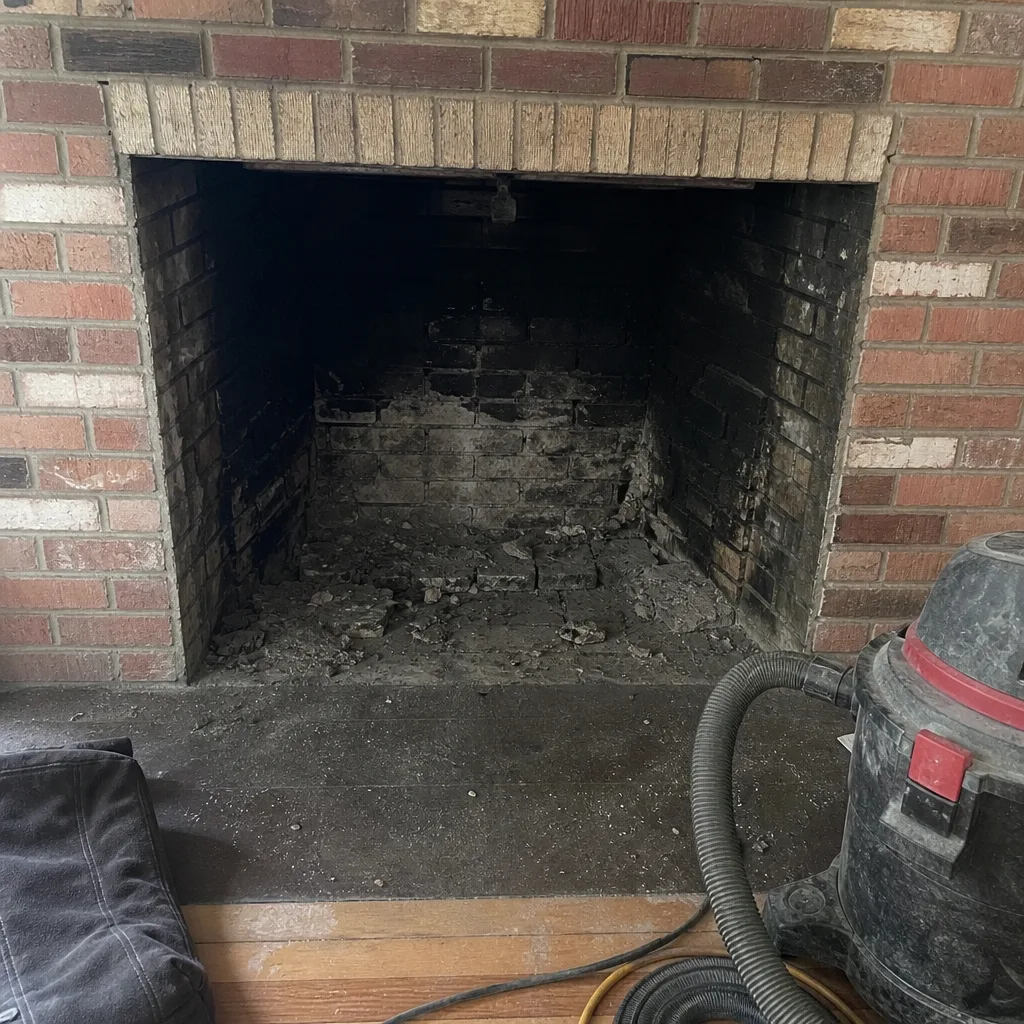
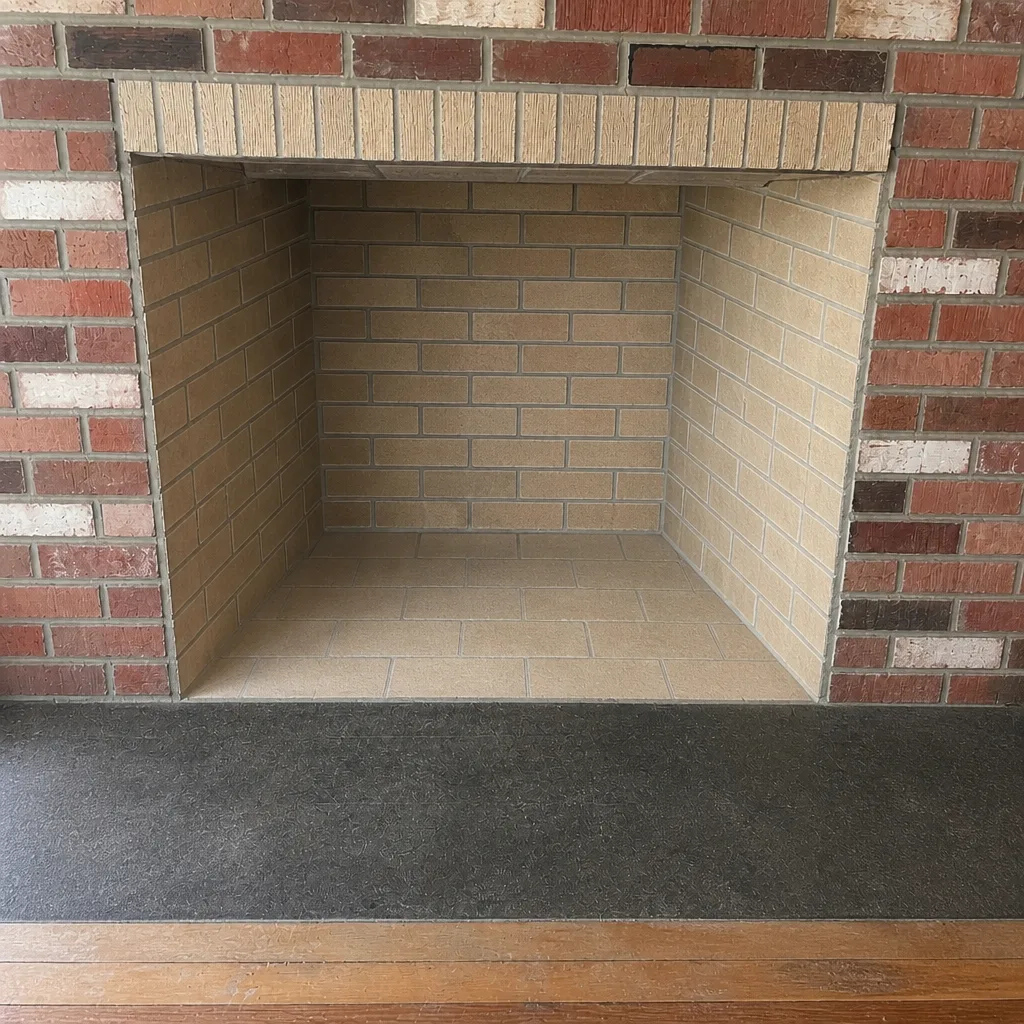
See the difference
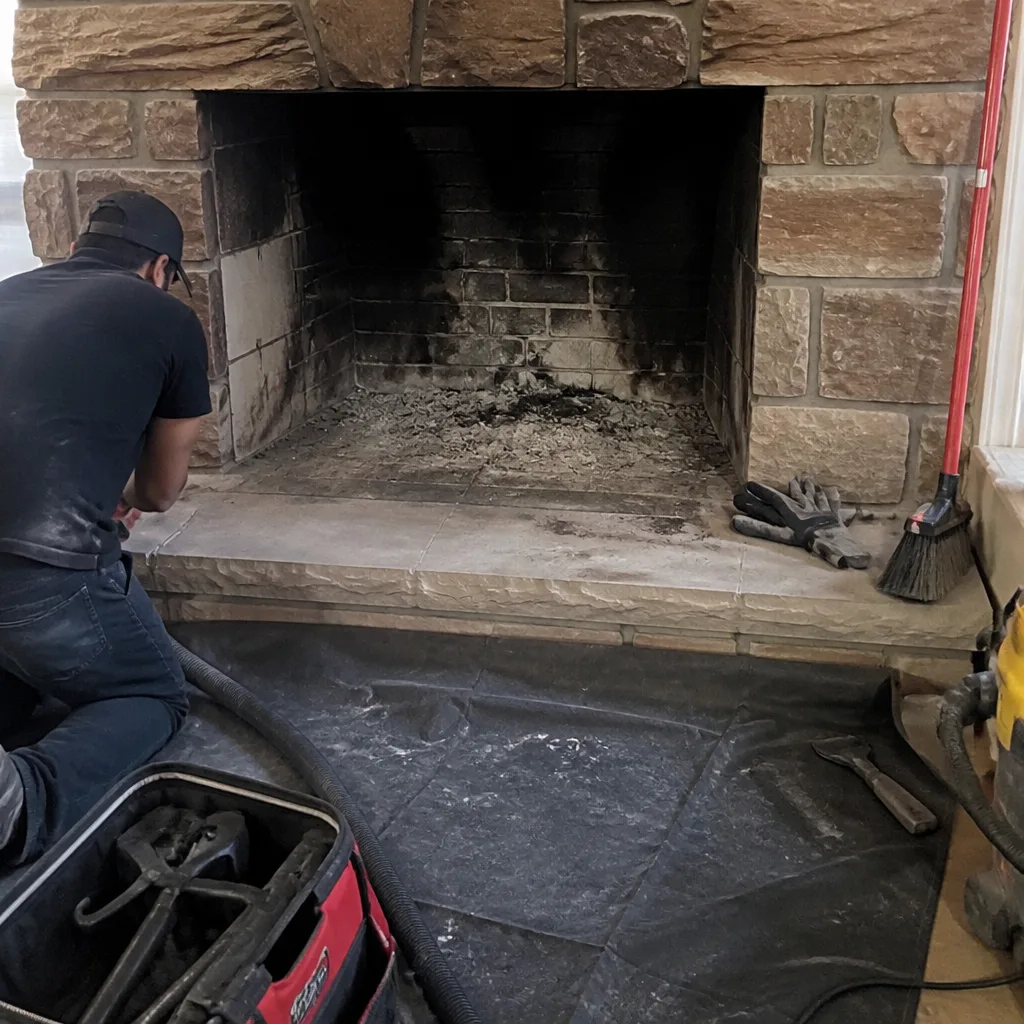 Before
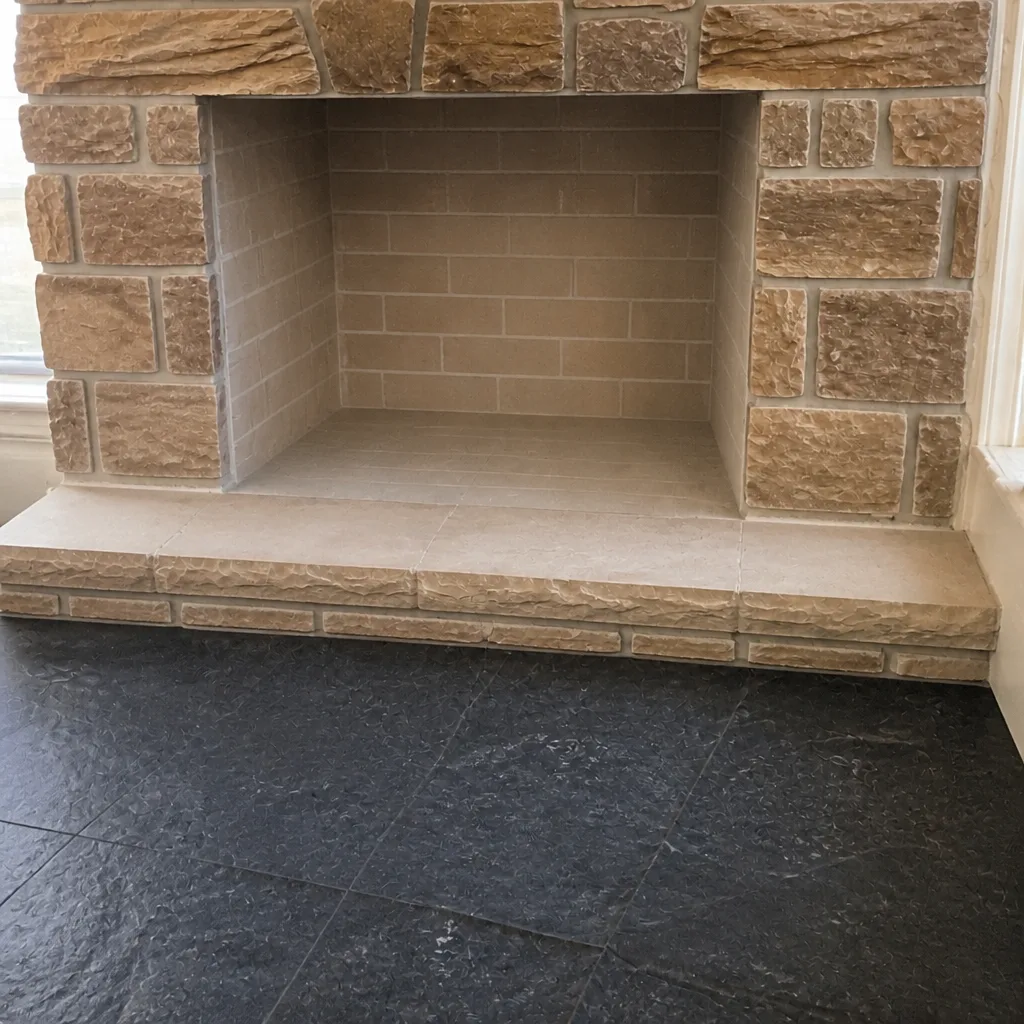 After
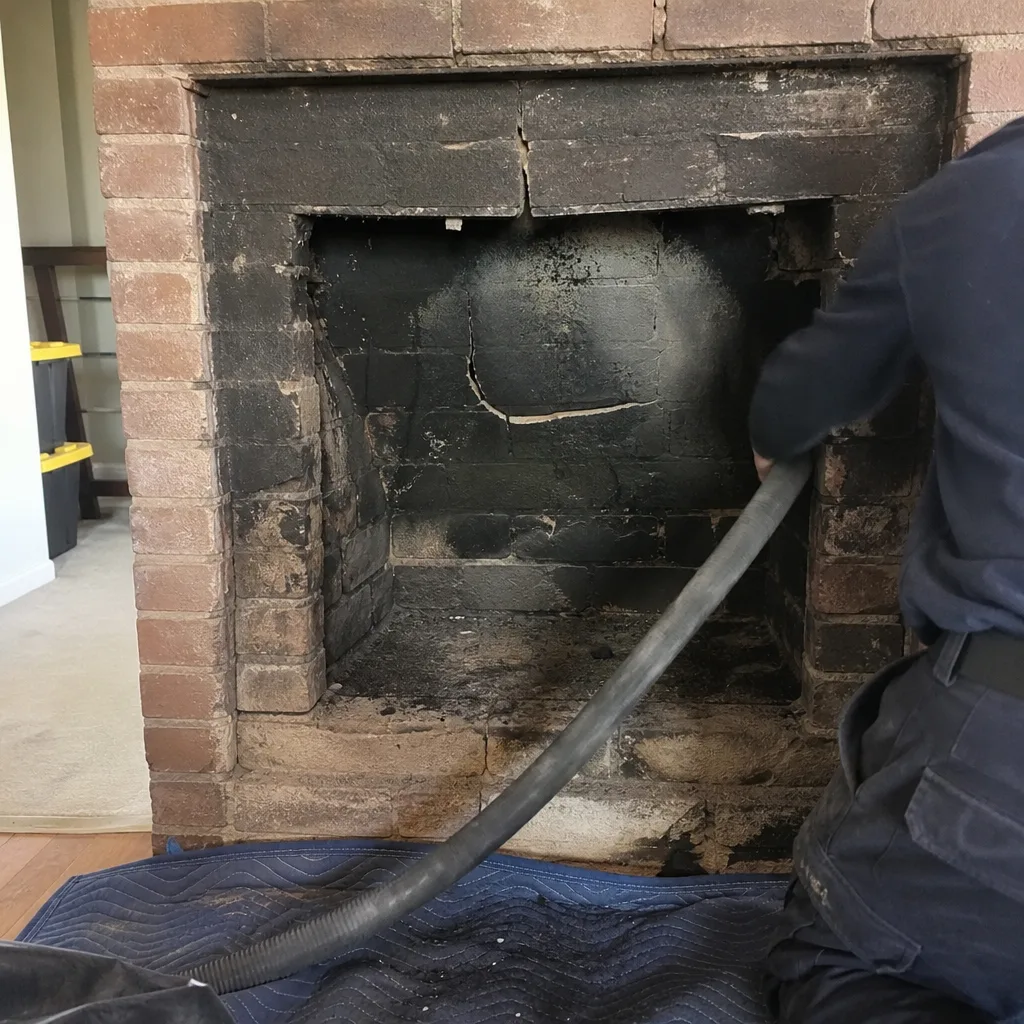 Before
 After
 Before
 After
When to Call a Professional
Some chimney care is inspection and awareness. Some is work a trained technician needs to be up on the structure to do safely. Call if any of the following is true: you’ve had fires backdraft into the house more than once, you smell smoke in the house when the fireplace isn’t burning, the cap is visibly missing or damaged after a summer storm, you see white staining on the masonry or crumbling mortar at any time of the year, you’ve had a home inspection flag your chimney, or it’s simply been more than a year since the last sweep and inspection. Height and structural work on a chimney roof is genuinely dangerous, and the diagnosis work depends on a camera and professional eyes, so don’t attempt either yourself.
Chimney Sweep Washington Park offers free estimates in Washington Park – call (833) 482-5684. We answer 24/7. Fast dispatch from 7am to 7pm, Sunday through Friday. The estimate is free and the price is set per job by the written estimate, so you know the number before any work is booked. If you’re starting from scratch on care for your chimney, the Chimney Sweep Washington Park team can talk through the four-phase calendar and schedule the first visit that fits.
Frequently Asked Questions
Once a year is the general baseline for a fireplace in regular use, but in Washington Park a spring sweep and inspection is a better default than a fall-only schedule because of the summer moisture exposure. A heavily used fireplace, or one sharing a flue with another appliance, may warrant more frequent inspection. Call (833) 482-5684 and we can scope the right interval based on your setup.
Skipping a season usually doesn’t cause immediate damage – the consequences build. A crown crack that goes unaddressed through one monsoon lets water into the masonry. That water freezes and thaws through the next winter and opens the crack wider. By the following spring, the repair has escalated from sealing a crack to repairing a section of the crown, or in the worst case, replacing and rebuilding masonry. The cost curve is steep, which is why the timing matters more than any single visit. Call (833) 482-5684 for an inspection and we’ll tell you what’s actually going on right now, without recommending anything the evidence doesn’t support.
Not always – that’s why the inspection comes first. A rough flue interior that’s still structurally sound can sometimes be restored with HeatShield flue resurfacing instead of a full DuraFlex liner installation. A cracked or displaced flue tile, or a flue that’s been compromised by sustained moisture damage, typically does need a liner. The way to know is a camera inspection with a photo report you can see for yourself. Call (833) 482-5684 for an inspection; estimates are free.
Routine chimney sweep pricing in Washington Park is typically quoted per job by written estimate after the visit is scoped, and any range given on the phone is a placeholder until the inspection confirms the actual condition. A standalone inspection for documentation, a cap replacement, a crown repair, or a flue resurfacing are all different services and priced separately. The estimate is free and the price you see in writing is the price. Call (833) 482-5684 for an exact quote.
Both matter, but for different reasons. Spring is the best time to catch what winter did to the chimney and to clean creosote out before the summer moisture season. Fall is the best time to verify the crown, cap, and flashing survived the summer, and to make sure the flue is clear for the first fire. In a Washington Park home with a shared flue, the fall verification is especially important because both appliances need a draft test.
Yes. Gas produces no creosote, but it produces flue moisture, and the summer monsoon cycle works on the crown, cap, and flashing regardless of what’s burning inside. A summer check also catches vent debris, cracked ceramic logs, and firebox condition before the first cold night. Call (833) 482-5684 if you want a gas system inspected before the heating season.
We don’t recommend it for two reasons. First, a home sweep doesn’t include the camera inspection that tells you whether the flue tile is intact, the crown is cracked, or the firebox joints are failing – and that’s the information that actually protects the house. Second, chimney work at the roof level involves heights and structural access that are genuinely dangerous without training. Get a professional sweep and inspection done, and you’ll know what you’re dealing with. Call (833) 482-5684 for a free estimate.
The Bottom Line
Chimney care in Washington Park is a four-season discipline, not an annual errand. Spring sweep after the last fire. Summer protection on the crown, cap, and flashing before the monsoon season starts. Fall verification ahead of the first sustained cold. Winter attention to draft, condensation, and CO alarms. The single highest-leverage move is summer moisture protection, because that’s where structural damage actually begins, and every winter repair that traces back to a summer crack in a crown is a bill that didn’t have to happen. Whether your chimney needs a sweep, an inspection, a cap and crown repair, or a flue resurfacing, the diagnosis comes first and the written estimate sets the price.
If your house is one of the older Washington Park homes with a shared flue, or you’re going into the season without a documented inspection from the last twelve months, that’s the visit to book next. We use named, warrantable materials – DuraFlex, HeatShield, Gelco, Olympia Chimney – and we scope the work from the firebox to the crown, so a repair doesn’t get handed off partway through. Call (833) 482-5684 for a free estimate. We answer 24/7. Fast dispatch from 7am to 7pm, Sunday through Friday.
Written by the team at Chimney Sweep Washington Park.